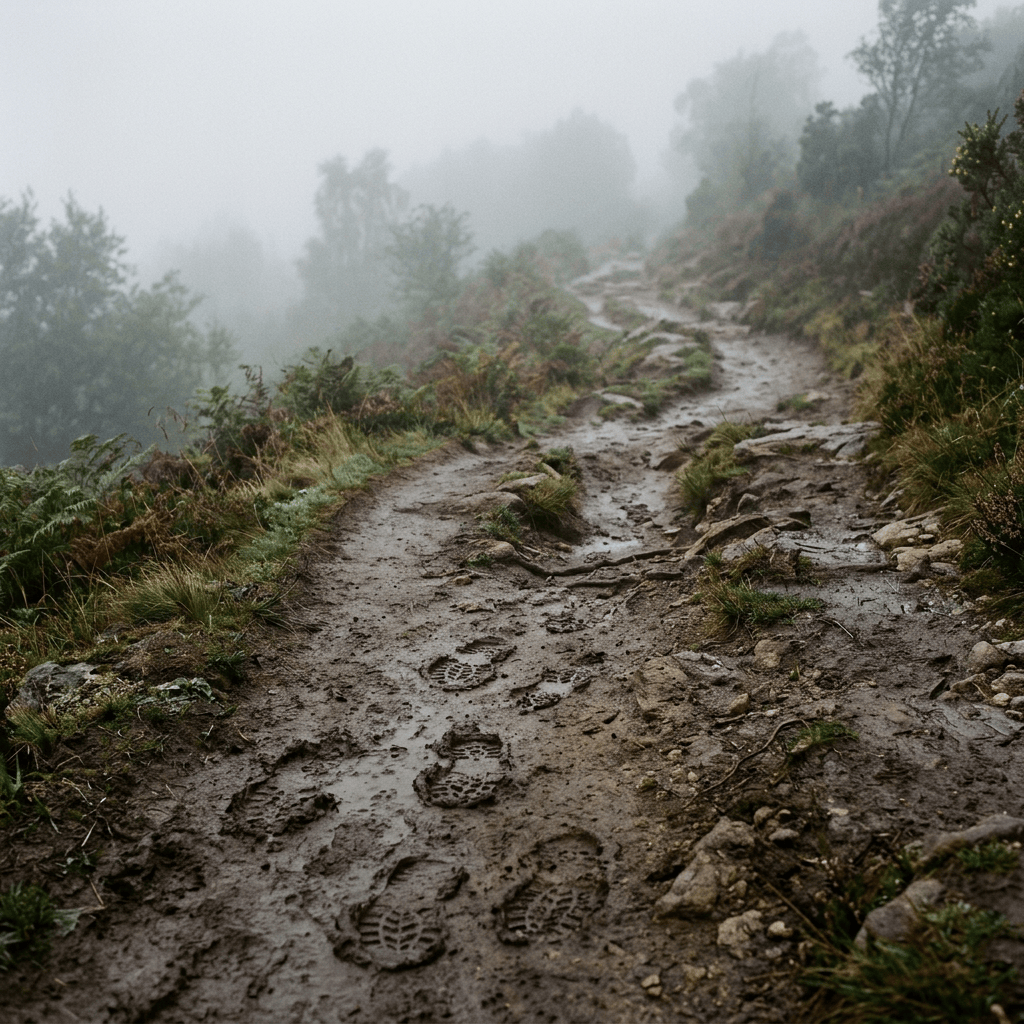
I think at this point I know how to walk.
I can. Mechanically, neurologically, structurally—I can. The circuitry is there. The muscles fire. The joints articulate. The proprioceptors still report in. I have proven it enough times under controlled conditions that the evidence is no longer debatable. I just don’t. Not when it counts. Not when the room empties and the only person left holding the responsibility for my body is me.
The only time the machinery truly fails—when my legs turn to wet rope, when the floor starts pitching like a boat deck, when my ankles decide they no longer trust the ground—is when fear arrives. Not the polite, manageable kind of fear. The full-body, ancient, animal kind. The kind that floods the nervous system with so much chemical static that every signal coming up from my feet gets scrambled on the way to the brain. Balance does not disappear because the hardware is broken. Balance disappears because the software has decided the body is under lethal threat and starts aborting non-essential processes. Walking, apparently, is non-essential when the mind has already decided you are about to die.
Ultimately, my recovery is almost entirely psychological now. The physical work is largely done. What is left is the terror of being alone with a body that once betrayed me and might—according to the most primitive parts of my brain—betray me again at any second.

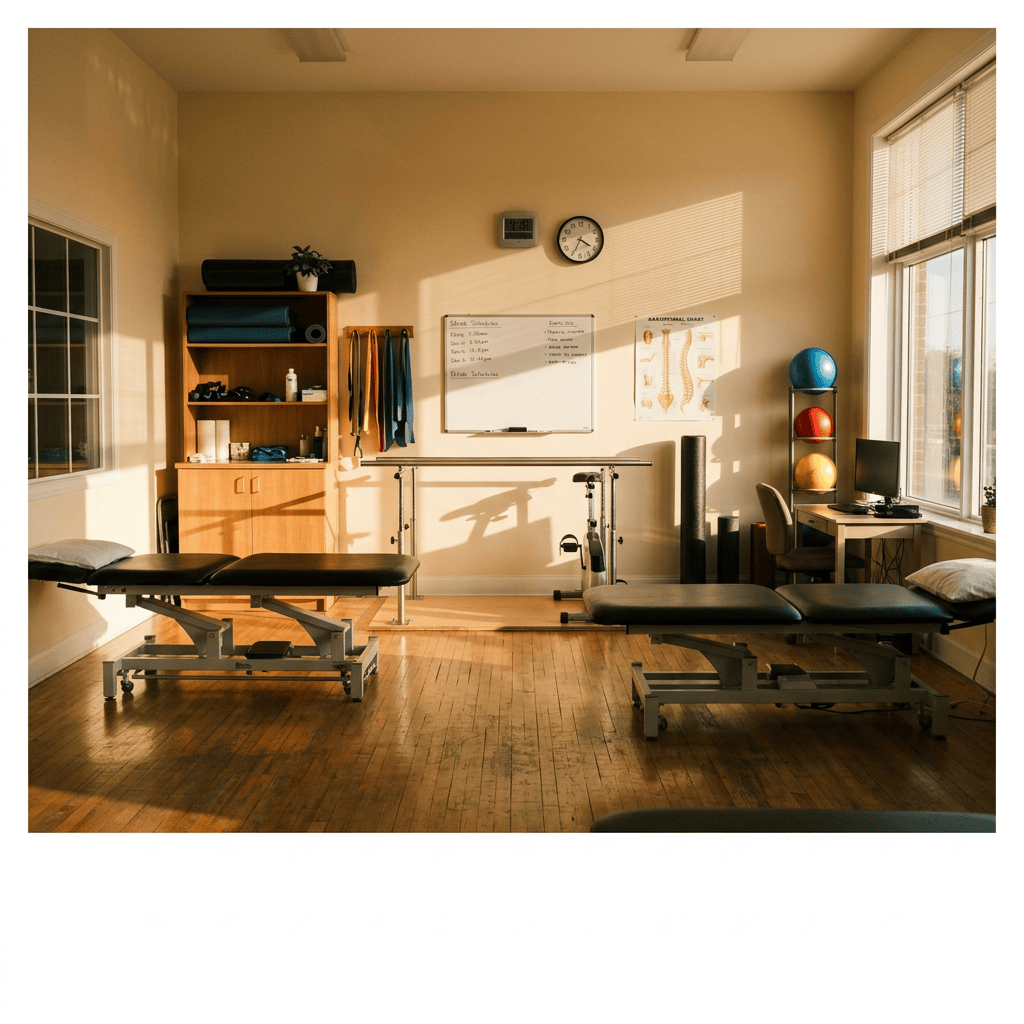
When I am with my physical therapist, something almost arrogant wakes up in me. A cold, sharp confidence. Sometimes it edges into cockiness. I know he has a hand near my gait belt clipped around my waist. That single point of contact is enough. It is not even that I need the physical support—most of the time he never has to catch me. It is the knowledge that the safety net exists. In that narrow window of external reassurance, I can walk. Long distances. Steady. Controlled. Almost normal. My stride lengthens. I can even get a little reckless with it, testing edges, turning faster than I should, because some part of me is performing. Showing off. Proving a point to both of us.
Then I am alone.
The door closes. The professional competence leaves the room. And the fear that was waiting in the house walks in and takes the controls. Suddenly the same legs that just carried me fifty meters without drama start trembling like they are made of paper. My ankles soften and roll without warning. The ground tilts. My center of gravity becomes a rumor. I throw all caution to the wind not because I am brave, but because the alternative—moving carefully, deliberately, with awareness—feels even more dangerous. Carefulness requires trust. And trust is exactly what fear has already revoked.
So I lurch. I overcorrect. I plant my feet too hard or too soft. I start shaking, and the shaking makes the ankle turn, and the turned ankle makes the leg weaker, and the weakness feeds the fear, and the fear deepens the shaking. It is a closed loop, elegant in its cruelty. The body is not failing because it is incapable. It is failing because the mind has already written the ending and is simply forcing the body to act it out.
I know how to walk.
I just do not know how to walk while terrified of what walking might cost me.