Tag: dinner

  • Dinner with F. Scott Fitzgerald: The Allure of Literary Luxury

    Dinner with F. Scott Fitzgerald: The Allure of Literary Luxury

    Which author would you love to have dinner with?

    If I were to have dinner with an author, it would be F. Scott Fitzgerald. Not because of the obvious masterpiece everyone names first—The Great Gatsby—but because he understood luxury as a temperature, a texture, a way of moving through a room. He did not merely describe wealth. He lived inside its shimmer and its hangover, and he wrote as if both were equally sacred.
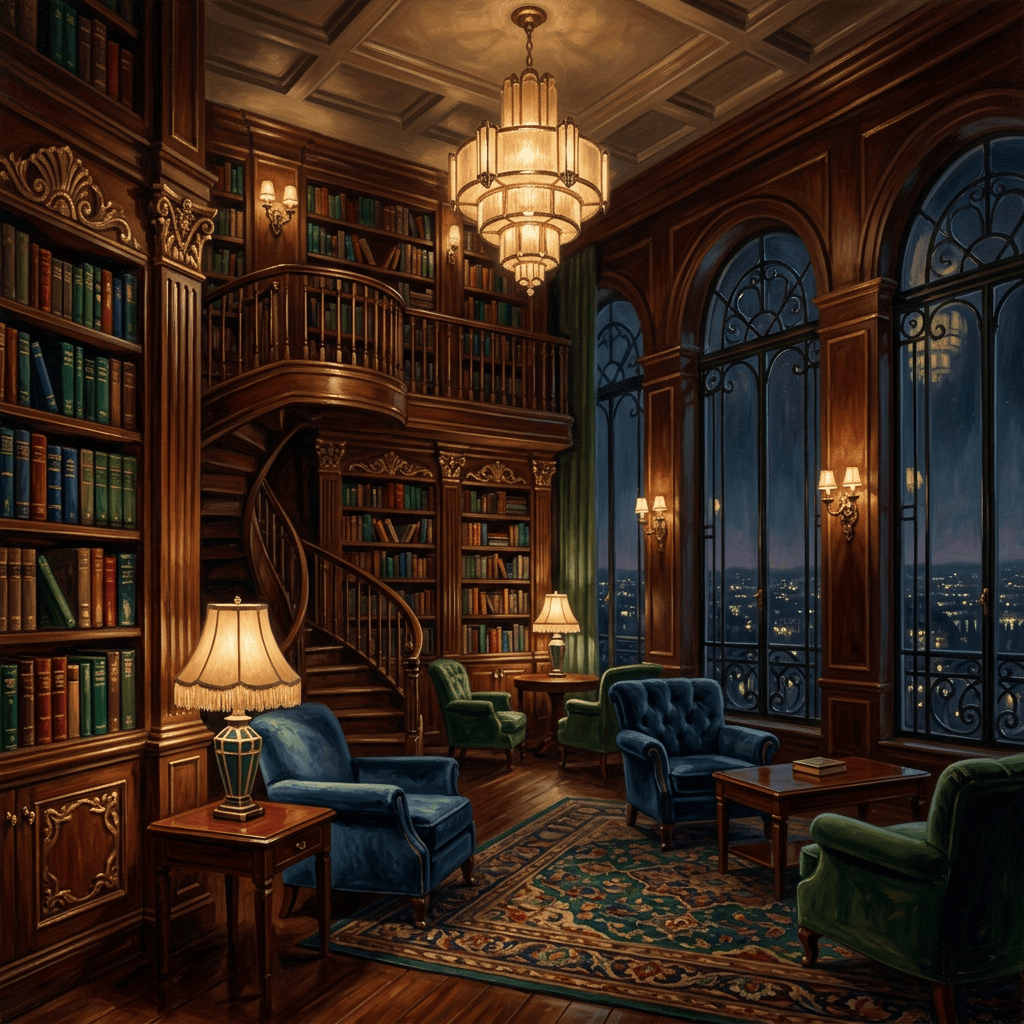
    Ornate wood-paneled library with bookshelves, seating, chandelier, and city views
    A richly appointed library lounge invites quiet reading beneath a glowing chandelier and tall arched windows.

    I have never been especially moved by stories that ask me to stay where I already am. Many people prefer fantasy worlds they can visit and leave, or novels that feel “relatable,” which often means ordinary kitchens, ordinary disappointments, ordinary weather. I have always been drawn the other way: toward silk, late hours, expensive mistakes, and the particular loneliness that arrives when the party is still going and you realize you are the only one who notices the light has changed. Fitzgerald paints that picture better than almost anyone. He makes luxury look not like a shopping list but like a climate.

    The Great Gatsby is the public cathedral. It is the book of the green light, the orchestra, the rumor. It is magnificent. But The Beautiful and Damned is the private room. Anthony Patch and Gloria Gilbert are not striving toward a dream so much as they are already inside one and slowly ruining the furniture. They are beautiful, idle, certain the future will keep paying their bills because it always has. They drink, they quarrel, they buy a second house they cannot afford because the idea of a gray country house is prettier than the math. They treat inheritance like weather: something that will arrive if you wait long enough in the right clothes. I recognize that hunger. Not the poverty of wanting more, but the more dangerous appetite of people who already have enough to be ruined by taste.
    Dried roses and scattered letters covered in golden dust on dark fabric
    Dried roses, scattered letters, and golden dust create a hauntingly romantic still life.

    Fitzgerald and his wife Zelda lived the same plot in public. Newly famous, they took over hotel lobbies as if the city were a set built for them. They spun in revolving doors, slid down banisters, jumped into fountains, arrived at parties on all fours, locked a jazz band in a bedroom and made it play until morning. They crossed the Atlantic with too much luggage and rented villas above the Mediterranean because New York had become too loud and too expensive for the kind of living they refused to scale back. He wrote about living on practically nothing a year while still ordering champagne. The contradiction is the point. Luxury, in Fitzgerald, is never only possession. It is performance, mood, and the brief conviction that beauty can postpone consequence.
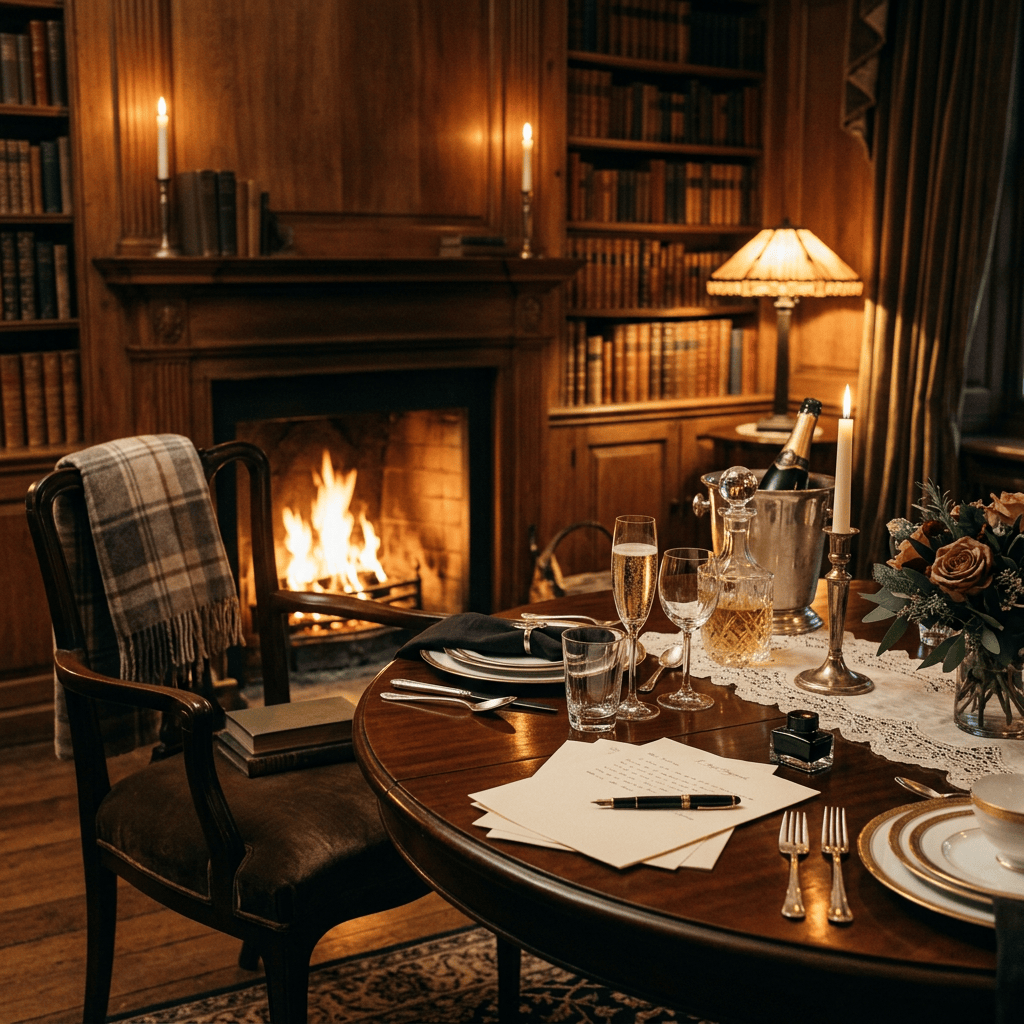
    Elegant dinner table beside a roaring fireplace with champagne and flowers
    A warmly lit fireside table is prepared with champagne, flowers, and handwritten invitations.

    That is why I want dinner with him rather than a seminar on his most famous novel. I do not want the monument. I want the man who knew that parties are intimate precisely because they are large, that the very rich are different because they possess early and grow soft and cynical in places the rest of us stay hard, that “eat, drink, and be merry” is both a philosophy and a slow form of suicide. I want the writer who could make a cloth-of-gold dress and a platinum ring feel like plot. Zelda once advertised The Beautiful and Damned by listing the clothes she could buy if enough people purchased the book. That is not a joke to me. That is the aesthetic I live toward: art that funds the next beautiful object, beauty that funds the next sentence.

    Dinner would not be modest. I imagine a table that looks casually expensive and is, in fact, carefully so: low light, heavy silver, something cold and gold in the glass, a room that smells of perfume, cigarette smoke, and citrus from a bowl no one will eat. He would talk too much and then go quiet in a way that makes you lean in. He would notice the cut of a jacket before the content of a confession. He would be funny about money and then suddenly exact about it. He would understand, without needing it explained, why some of us do not want stories that return us to the life we already know how to survive. We want stories we can project onto the life we are trying to inhabit: the late dinner, the borrowed glamour, the risk that beauty is both the prize and the damage.

    The Beautiful and Damned is that projection. It is not a cautionary tale I read in order to become more responsible. It is a mirror I hold up when I want to see the version of myself that still believes atmosphere is a moral category. Anthony and Gloria fail, of course. They waste time, money, youth, and each other. Fitzgerald knew the bill always comes. He just refused to pretend the evening was not worth it while the candles were still lit.

    More stories about that, please. Not more worlds of dragons or more kitchens of quiet endurance. More rooms where the lighting is unforgivable, the clothes are too fine for the bank balance, the conversation is half seduction and half autopsy, and someone at the table still believes that if you live beautifully enough, the universe might keep the lights on a little longer. Fitzgerald made that belief look like literature. I would like to sit across from him and see whether, for one night, it still looks like a plan.
  • Charcuterie Boards and the Art of Pretending You’re Not Just Eating a Fancy Deconstructed Sandwich

    Charcuterie Boards and the Art of Pretending You’re Not Just Eating a Fancy Deconstructed Sandwich

    The ideal meal is not some sad desk salad or sad-girl takeout. No. It is a charcuterie board. That glorious wooden slab of deliciousness where we pretend we are sophisticated European socialites while secretly just assembling the world’s most photogenic sandwich in our mouths.

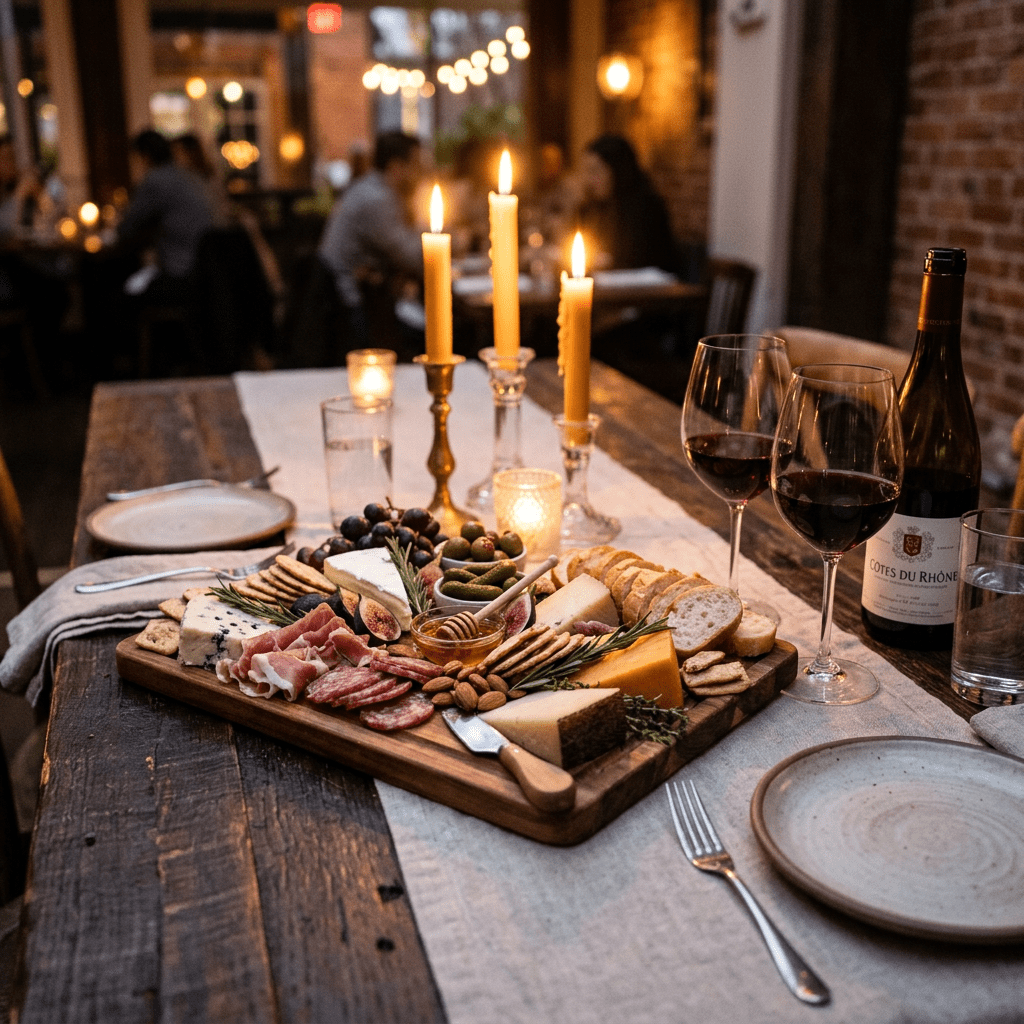
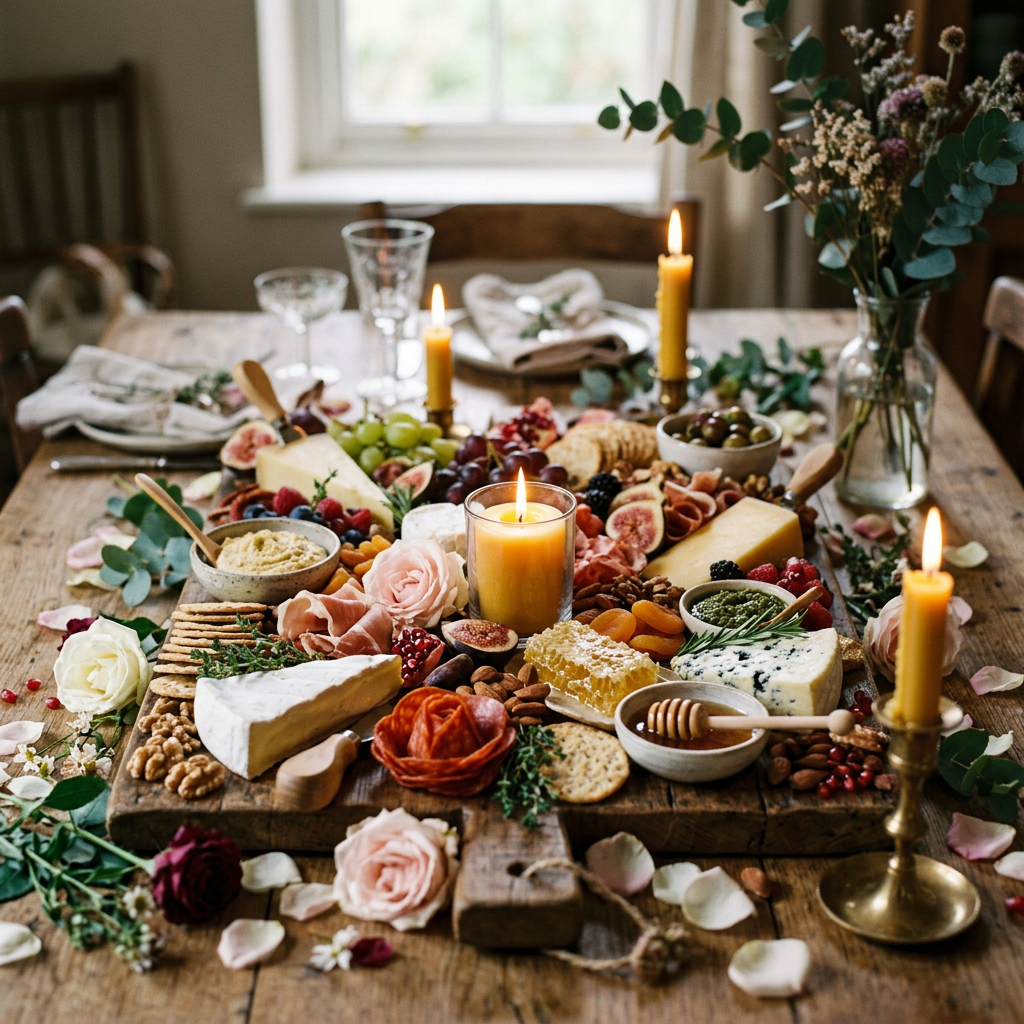
    Rustic wooden board with assorted cheeses, charcuterie, fruits, nuts, honey, and candles
    A beautifully arranged rustic cheese and charcuterie board with candles and flowers

    It all starts with the cheese. Oh, the cheese. Hard, soft, stinky, creamy—does not matter. I will eat the cheese boards instead of charcuterie boards sometimes, but that is not really a proper meal. Plop a wedge of brie or manchego on there and suddenly I am not some basic girl stress-eating in leggings. I am elegant. I am superior. I am the kind of woman who “curates” instead of “grazes.” One bite and I am imagining myself in a silk robe, overlooking the Amalfi Coast, judging everyone who still eats processed American cheese slices like the plebs they are. Cheese is my armor. It whispers, “You’re not spiraling, babe. You’re refined.”

    Then come the cold cuts. Salami, prosciutto, soppressata—those paper-thin slices of cured meat that actually do the heavy lifting. While the cheese strokes the ego, the meats show up like the old reliable who at least brings calories. They provide sustenance. Real protein so I do not pass out after three glasses of rosé and a performative speech about “wellness.” Without the cold cuts, it is just vibes and dairy. With them, it is a meal. A chaotic, salty, slightly sweet meal that somehow still photographs.

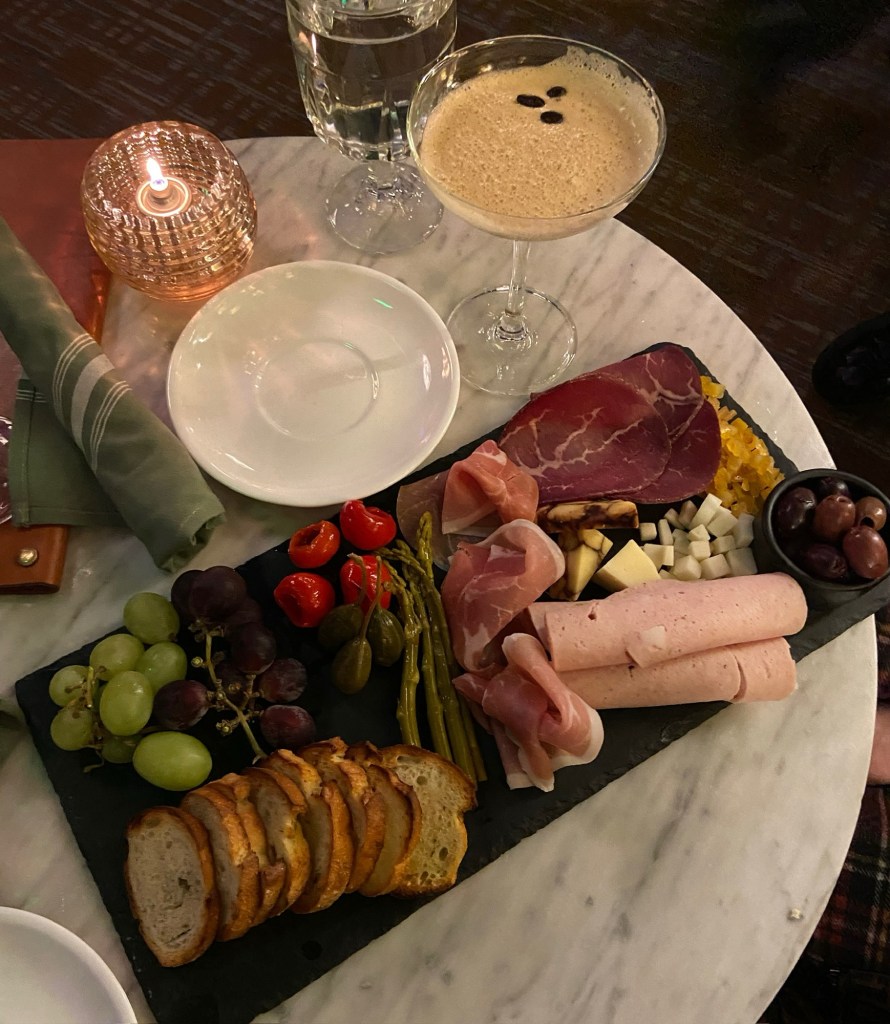
    What I ordered for this past NYE dinner

    Plus I love eating with my hands. Finger food just tastes so much better. Screw your etiquette rules! Our ancestors never washed their food or hands anyway (I wash my produce but never freak out about it). I believe that we are severely harming our micro biomes by constantly washing and sanitizing. I do not get sick and my blood work is ideal— so you decide whether I have the right idea or not…

    The entire board is literally just a disassembled sandwich. That is it. Bread components, meat, cheese, condiments. If my man threw all this on a plate and called it dinner, I would roast him for being lazy. But we ladies arrange it artfully with little piles and rosemary sprigs and suddenly it is cuisine. Peak female delulu , and I am here for every second of it.

    Crackers? Sure, they are fine. They add that satisfying crunch and make you feel like you are at a wine tasting instead of stress-eating. I would rather have a small baguette, still warm, or those tiny toasted bread rolls— but crackers are for people (like me) who want to pretend they are portion-controlled.

    And the best part is the chutney. The jam. That sticky, sweet, slightly spicy spread that ties the whole chaotic plate together. One dollop on a slice of prosciutto and suddenly your mouth is throwing a party. Fig jam, apricot preserves, spicy mango chutney—I am not picky, I am just greedy. It is the chaotic part of the board: sweet when you want it, spicy when it counts, and always leaving you wanting more (basically… me).

    Dried fruit is my other ride-or-die. Apricots, figs, cranberries, those weirdly addictive dates. They add texture, they add sweetness, and they make you feel vaguely healthy. Paired with sharp cheese? Transcendent. Paired with everything else? You are basically eating dessert for dinner while gaslighting yourself that it is “balanced.”

    And olives. Olives. Those briny little bastards are the final boss of girl dinner. Throw in some Castelvetrano or Kalamata and I am not just a little girl anymore. I am a worldly traveler. I have been to Tuscany. I have sipped negronis in hidden bars in Florence. I have had “experiences.” One olive and the Mediterranean is at the table. Two olives and I am suddenly fluent in Italian in my head. It is delusional. It is powerful. I love it.

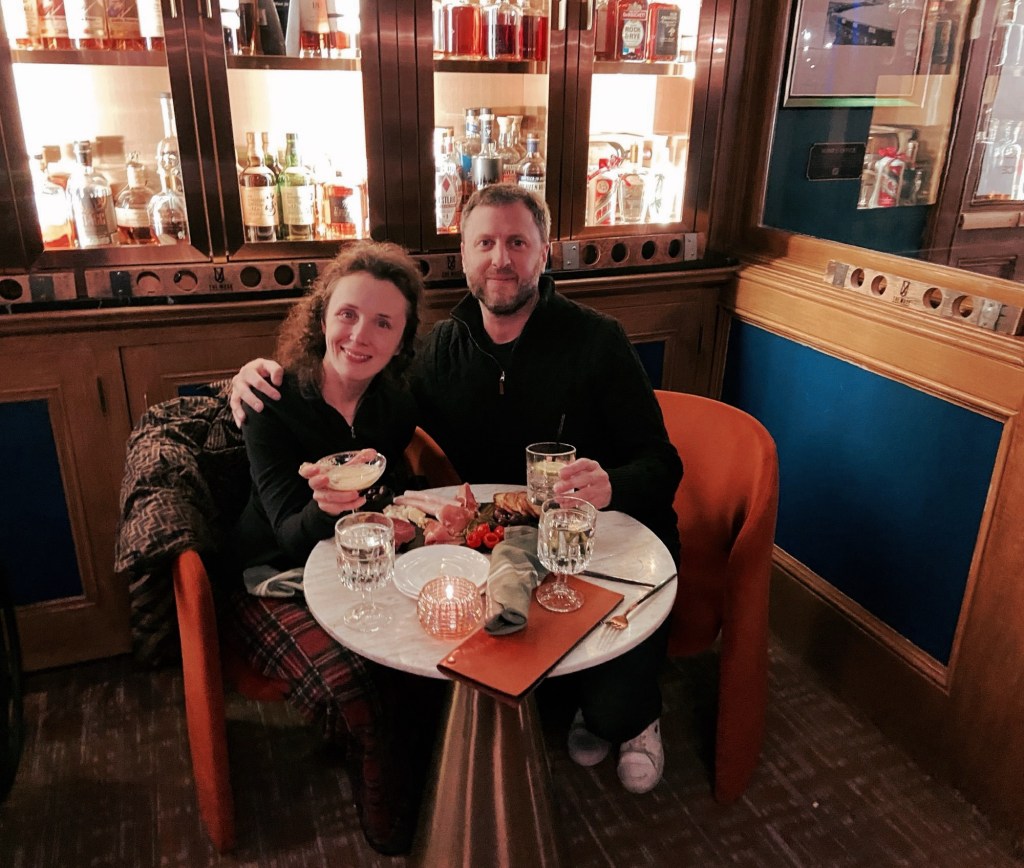
    Some sustenance with my man (this was before we got all gussied up— hence my hair and no makeup)

    The waiter lights a candle, pours a glass of something overpriced, arranging everything “just so” for the inevitable Instagram story. It is not about hunger—it is about reclaiming control in a world that wants us to eat sad chicken and broccoli. Charcuterie says: I choose chaos. I choose flavor. I choose to eat like a Renaissance painting.

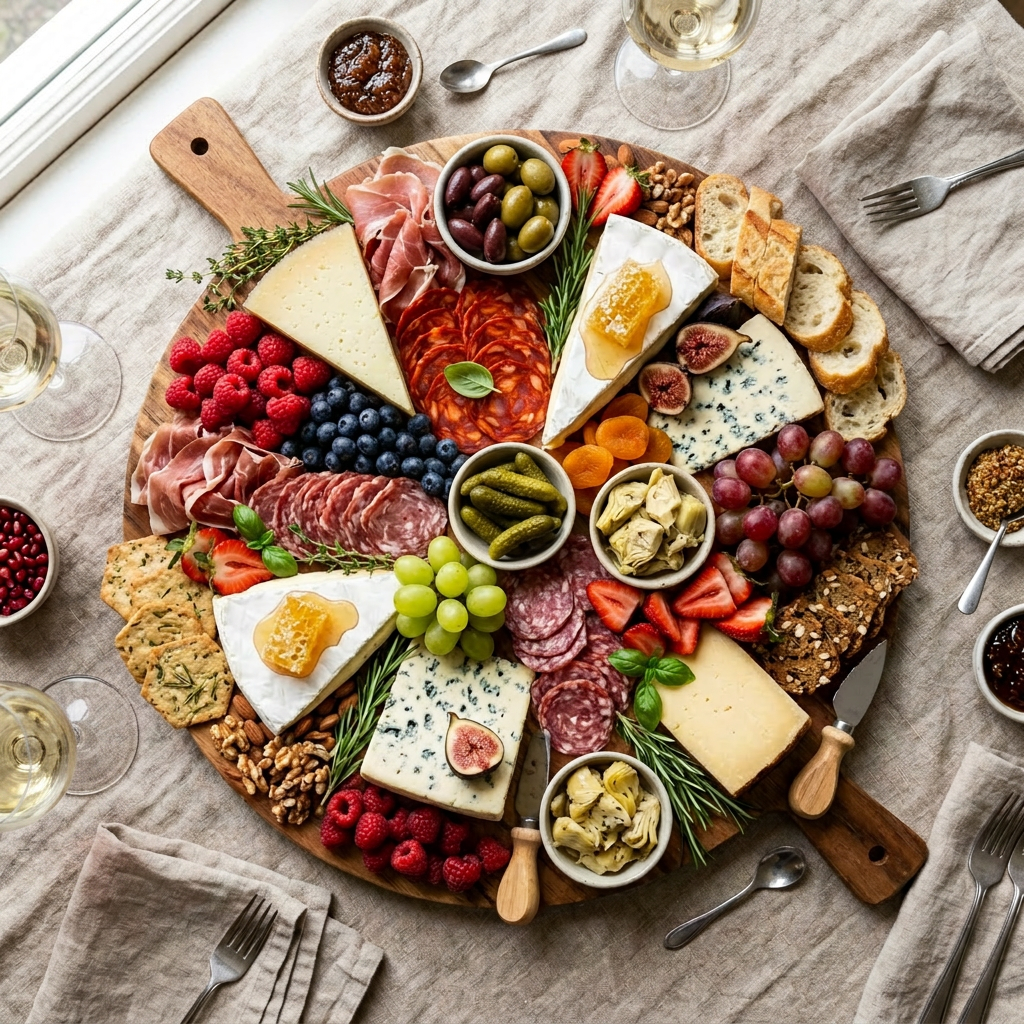
    Charcuterie board with cheeses, cured meats, fruits, nuts, crackers, olives, and pickles
    A beautifully arranged charcuterie board paired with glasses of white wine

    Mock me for my girl dinners. Call it picky. Call it pretentious. I will be over here ordering/making little piles of perfection, feeling elegant, sustained, and vaguely cosmopolitan.