Tag: country life

  • Down Under Dreams: My Wild Teenage Adventure in Australia with People to People

    Down Under Dreams: My Wild Teenage Adventure in Australia with People to People

    At fifteen years old, I stepped off a plane into a world that felt like it had leaped straight out of a National Geographic. The air was warmer, drier, and carried the faint scent of eucalyptus. I was part of the People to People Ambassador Program, a life-changing opportunity that took a group of wide-eyed American teens halfway around the globe to Australia. What started as a simple cultural exchange trip quickly became a whirlwind of big-city glamour, rugged outback exploration, family-style homestays, and the kind of teenage chaos that only happens when you are far from home and the usual rules do not quite apply (the innocent kind though, not really what we see on teenager television shows).

    Our itinerary was perfectly balanced between urban sophistication and raw Australian wilderness. We bounced between the gleaming harbors of Sydney and Melbourne and endless stretches of red earth in the outback. Long bus rides became our moving classrooms—hours spent watching the landscape shift from bustling streets to golden grasslands. We stayed with local families who opened their homes (and hearts) to us, sharing meals, stories, and glimpses into everyday Aussie life that no guidebook could ever capture.

    Sydney hit me like a fever dream. The iconic Opera House rose like white sails against the sparkling harbor, its curves even more breathtaking in person than in any photo I had seen. We toured the Olympic facilities from the 2000 Games, walking through stadiums that once echoed with global cheers. I remember standing there, imagining the roar of the crowd, feeling tiny yet somehow part of something enormous.

    But beneath the excitement, I carried a heavy secret. This was the year after I started high school, and the pressure to look and be “perfect” had already taken root in my mind. Australia felt like the ultimate reset button—a chance to reinvent myself far from judgmental eyes back home. Before the trip even began, I emailed the volunteer chaperones with a carefully worded note: I would not be eating much, and they should not worry about me. Looking back now, it breaks my heart to think of that determined, insecure fifteen-year-old girl trying so hard to control the one thing she could in a brand-new country.

    On those long bus rides, packed lunches were handed out like clockwork—sandwiches thick with deli meats, crisp chips, and sweet treats. I would politely unwrap mine, eat only the apple, and quietly put the rest aside. The volunteers were kind, but I could feel their concerned glances. During our homestay in Melbourne, the warm “mom” of the house cooked a hearty Australian meal just for us. I pushed the plate away after a few bites, murmuring something about being full. Her disappointed but understanding look still lingers with me. Food became both enemy and background noise while the real adventure swirled around me.

    Of course, no trip at fifteen would be complete without plenty of youthful mischief. I flirted shamelessly with the boys in our group—stolen glances across bus aisles, whispered jokes during tours, and that electric buzz of first crushes amplified by the freedom of being overseas.

    The Australian sun, however, showed no mercy. Wanting to be perfect meant that I wanted golden skin. I ended up severely sunburned. My skin turned lobster-red, peeling in painful sheets for days. Lesson learned: respect the ozone hole Down Under.

    One of my biggest hurdles was begging my mother—via crackly payphone calls from a random shopping mall —to let me get my belly button pierced. I pleaded, I reasoned, I dramatically described how “everyone” was doing it. She held firm.

    Instead, I settled for a temporary tattoo from a quirky shop near the harbor. It was some butterfly design that I proudly showed off to the group. When I got home, I let everyone believe it was real, basking in the temporary cool factor before it faded in the shower. Small rebellions, big memories.

    The real soul of the trip was during our long bus tours through the outback. The landscape stretched endlessly—red dirt, scrubby bushes, and skies so vast they made you feel wonderfully insignificant. We learned about Aboriginal culture, their deep connection to the land, and the stories passed down through oldtime legends.

    Vehicle driving on winding red dirt road in arid outback landscape
    A vehicle traverses a winding red dirt road through arid outback terrain under a partly cloudy sky

    One unforgettable stop was a wildlife sanctuary where I finally got to hold a tiny koala. He was everything I imagined: fluffy gray fur, button eyes, and a sleepy demeanor (apparently they are constantly high from eating the eucalyptus). I beamed for the camera, arms gently cradling him. But internally? I was screaming. Those adorable little claws dug into my arm like tiny needles. Sharp did not even begin to describe it. Still, worth every scratch for that photo and the story.

    We spotted kangaroos hopping freely in the wild—elegant, powerful creatures that seemed to defy gravity. At the sanctuary, we got closer, feeding them and watching their curious faces up close. Later, in a remote outback experience hosted by Aboriginal elders, we were treated to kangaroo tail. It was an honor to share in their traditional food. The tail was tough, mostly dense muscle with very little fat or tenderness—chewy, gamey, and completely unlike anything I had eaten before. It was not about gourmet flavor; it was about connection, respect, and tasting a piece of the land itself.

    That trip to Australia did not magically fix my insecurities around food and body image. Those battles continued for years as I eventually got down to double digits on the bathroom scale. But it planted seeds of perspective. I saw a country that was both modern and ancient, vibrant and harsh, welcoming and wild. I learned that adventures are messy—full of sunburns, awkward flirtations, hidden struggles, and moments of pure wonder.

    Holding that koala, even through the pain, symbolized something bigger: sometimes the cutest, most picture-perfect experiences are actually concealing something painful. Pushing away plates did make me feel more in control; but it also made me miss out on shared meals and hospitality. The temporary tattoo washed off, but the memories never did.

    Years later, I look back on that fifteen-year-old girl with compassion. She was brave enough to travel across the world, curious enough to embrace new cultures, and human enough to make mistakes. Australia taught me that life is best experienced fully—sunburns, sharp claws, kangaroo tail, and all.

    If you ever get the chance to say yes to an adventure that scares and excites you, just do it (like Nike!). Whether it is Australia or somewhere closer to home, the outback of your own growth is waiting.

  • The Faux Pas of Following the Script in Life

    The Faux Pas of Following the Script in Life

    Faux pas.

    Literally, it means “false step” in French—like you tripped over your own feet in the middle of a crowded ballroom and everyone turned to stare. In American English, we have borrowed the term to describe any social blunder, any tiny (or not-so-tiny) violation of the invisible rulebook that supposedly keeps society running smoothly. Say the wrong thing at a dinner party. Wear white after Labor Day. Ask a woman when she is expecting … when she is not actually pregnant. Boom. Faux pas. Social death.

    The phrase has always fascinated me because it is so perfectly French in its elegance and so perfectly American in its judgment. It sounds sophisticated, almost romantic—but really it is just polite code for “you messed up and now everyone’s secretly judging you.”

    And that got me thinking.

    Why are we so obsessed with these invisible lines? Who drew them? Who keeps redrawing them every few years? And why does the mere idea of being told how I am“supposed” to behave in any given situation make my skin crawl and my inner rebel kick into overdrive?

    I have never been good at following scripts. Not in recitals, not in job interviews, and definitely not in the grand theater of adult life. The older I get, the more I realize that a huge chunk of my personal growth has come from deliberately stepping on the lines everyone else is so busy tiptoeing around. Not out of spite (okay, sometimes out of spite), but because performing for an invisible audience feels like slow suffocation.

    Let me give you an example. My lack of job or career. My relationship and its status.

    Translation: Sweetie, that’s a faux pas. You’re supposed to say you are a “marketing coordinator” or “nurse practitioner” or anything that sounds like you have a 401(k) and a five-year plan.

    And: He is suppossed to choose you immediately. You should live together, get married and become a family, like everyone else…

    Because apparently everyone is the same and has the same path in life.

    Stability is overrated when you are busy living the life you actually want. And I want to be his 100%.

    That moment I am told how to live my life is never about being rude. It is all about refusing to shrink myself into the neat little box labeled “Acceptable Adult Woman.” Society has a whole collection of those boxes—career boxes, relationship boxes, body boxes, personality boxes—and they all come with instruction manuals disguised as “just common sense” or “what everyone does.”  News flash: most people do not even have any sense whatsoever (so it is not really that common). 

    Here is the thing I have learned the hard way: those expectations are not there to protect us. They are there to keep things comfortable. Comfortable for everyone else. Predictable. Easy to categorize. If I follow the script—get the degree, land the safe job, marry at the right age, have the right number of kids, post the curated vacation photos, never admit I sometimes cry in my shower—then nobody has to feel awkward. Nobody has to question their own choices. The machine keeps humming.

    But what if the machine is boring? What if the script was written by people who were terrified of their own shadow? What if “fitting in” is just another way of saying “quietly dying inside”?

    I am not advocating for chaos. I still say please and thank you. Basic decency is not the enemy. The enemy is the quiet tyranny of “this is how it’s done” when “it” no longer fits who you actually are.

    I hate being told what to do because I spent too many years doing exactly that and waking up wondering whose life I was living. I hate performative expectations because they turn human connection into a performance review. And I especially hate the way media has turned every single faux pas into a public execution. One off-color political joke, one long distance relationship, one honest opinion and suddenly you are struggling to get followers on social networks.

    The irony is that the people quickest to call out faux pas are often the ones most trapped by them. They are not free; they are just better at pretending.

    So here is my quiet rebellion: I am going to keep committing the occasional faux pas. Not the cruel ones—never those—but the ones that come from refusing to edit myself for other people’s comfort. I am going to wear the “wrong” outfit, say the “wrong” thing at the “wrong” time, and build a life that looks messy and inconsistent and deeply, unapologetically mine.

    Because the real false step is not tripping over some arbitrary social rule.

    The real false step is spending your whole life walking someone else’s path so carefully that you forget how to walk your own.

    And relearning how to walk has taught me that:  I would rather stumble forward in my own Yeezys than glide perfectly in someone else’s shoes. 

  • The Rise of Comfort: Embracing the Free-Bra Movement

    The Rise of Comfort: Embracing the Free-Bra Movement

    Remember when getting a bra that actually fit felt like a sacred, slightly humiliating pilgrimage? We would trek to the mall, hearts pounding, ready to surrender our bare chests to a stranger armed with nothing but a measuring tape and a clipboard. Victoria’s Secret was not just a store—it was a temple. And the goddess was that perfectly coiffed sales associate with the tape dangling around her neck.

    You would stand there in a tiny fitting room that smelled faintly of vanilla candles and desperation, arms raised while she poked, prodded, lifted, and adjusted. “Okay, honey, breathe out… now inhale… A cup? Or is that a B on a heavy day?” Brassiere itself sounds like industrial equipment. We endured it all for the promise of “lift and separation,” for the illusion of perfect, perky cleavage that could launch a thousand thirsty glances in high school. We contorted our bodies, sucked in our stomachs, and prayed the underwire would make us look like a goddess instead of committing war crimes on our young teenage bodies.

    Those were the days.

    Fast-forward to now, and the entire ritual has collapsed. I do not even think most women under 36 could tell you their real bra size if you held a gun to their head. We have collectively ghosted the fitting rooms. The measuring tape is an old relic only used by the boys now. Victoria’s Secret angels? Still gorgeous, but we are no longer buying what they are selling—literally.

    Instead, we are out here living our best soft-girl lives in cute little bandeaus, buttery-soft sports bras, and those barely-there bralettes that feel like a gentle hug from a cloud rather than a structural engineering project. No more wires digging into our ribs (I have a large ribcage!) like medieval torture devices. No more adjusting straps in public like a nervous tic. We are free-boobing it through Zoom calls, grocery runs, and yes, even date nights if the vibe is right (plus, my man enjoys my itty bittys).

    Let’s be real—this shift is not just about laziness. It is a quiet revolution.

    Society spent decades telling us our boobs needed to be contained, supported, weaponized. Push-up bras. Minimizer bras. Convertible bras with more hooks than a slasher film. We bought into the lie that comfort was secondary to looking “put together.” All for the boys to pay attention to us. That a proper lady had to have everything strapped down and presented like gift-wrapped perfection.

    Then came the pandemic. Sweatpants became uniforms. Loungewear went mainstream. And suddenly, we realized something revolutionary: our boobs do not actually need constant structural support to be valid. They are not structural hazards waiting to collapse. They are just… there. Soft, warm, part of us. And when we stopped squeezing them into unnatural shapes for eight hours a day, the world did not end. In fact, it got better. For me, nothing changed whether there was a pandemic or not. So I was free- boobing before it was “cool”.

    Woman sitting cross-legged on bed reading a book in cozy bedroom with natural light
    A woman enjoys a quiet morning reading a book in a sunlit bedroom.

    We discovered the joy of the bandeau—that rebellious little tube top that says, “I’m cute, I’m comfy, and I’m not apologizing for jiggle.” Sports bras that handle actual movement without turning us into armored tanks. Wireless wonders that whisper sweet nothings like, “Girl, breathe.”

    And let us talk about the knowledge gap. Ask a group of women their bra size today and watch the panic. “Umm… medium? Whatever fits” We have stopped obsessing over the numbers because the numbers were always a scam anyway. Bra sizing is notoriously inconsistent across brands. One store’s 32C is another’s 34B. It was all smoke, mirrors, and marketing.

    Ditching the heavy-duty bra is not just about comfort. It also is about reclaiming ownership of our bodies in a world that has long tried to dictate their shape, size, and presentation. I personally prefer being on the Itty Bitty Titty Committee , but advertisements and media companies love to shove triple Ds and Sydney Sweeney in my face…

    We are done performing for the male gaze with engineered cleavage. Done pretending that underwire equals empowerment. The free-boob movement—yes, I am calling it that—feels like the only level of body positivity I accept. It says: my breasts do not need to be edited, lifted, or minimized to be worthy.

    Of course, not everyone is on board. Older women clutch their pearls. The fitness bros complain about the materials in said bras. Some days even I miss the old sculpted look, but mostly I love sliding into a soft bralette and feeling like my natural body is enough.

    We traded poking and prodding for stretchy, breathable freedom. And I do not think we are going back.

    So next time you catch yourself reaching for that lacy, restrictive contraption out of habit, ask yourself: Do I really need this? Or am I just performing femininity from 2007?

    Throw on the bandeau. Rock the sports bra. Let them breathe.

  • A League of Their Own: Reimagining Feminism

    A League of Their Own: Reimagining Feminism

    In a world drowning in performative activism and corporate girlboss-ness, I find myself returning to one movie that actually gets feminism right: Penny Marshall’s 1992 classic A League of Their Own.

    The film does not lecture you. It does not scream about the patriarchy or demand that you affirm anyone’s feelings. Instead, it shows women rolling up their sleeves, stepping onto the baseball diamond, and proving they belong—not because someone owed them a spot, but because they earned it through talent, grit, and sheer stubbornness.

    Real Empowerment, No Victimhood Required

    Set during World War II, A League of Their Own tells the story of the All-American Girls Professional Baseball League. With the men off fighting, these women were not waiting for permission or special treatment. They tried out, competed fiercely, and played real baseball in front of skeptical crowds. The movie nails the tension between traditional expectations (“be ladylike!”) and the raw reality of sliding into bases, spitting tobacco, and throwing like you mean it.

    The women face ridicule, ridiculous uniforms, and mandatory charm school, yet they respond by getting better at the game. That is the kind of feminism worth celebrating: one that expands opportunity through excellence rather than lowering standards or rewriting rules.

    Tom Hanks delivers one of his most quotable performances as Jimmy Dugan, the washed-up, foul-mouthed and drunken manager who starts off dismissive of his new team. He dives into his arsenal of acting skills and proves to one of the greatest/ all encompassing talents to watch. His arc from cynical has-been to proud coach is pure gold, and his legendary “There’s no crying in baseball!” rant remains one of the funniest moments. Hanks does not mansplain or apologize for his initial attitude—he grows because the women force him to see their competence. It is organic character development, not a scripted takedown of toxic masculinity (because clearly there is no such thing!).

    The supporting cast is stacked in the most 90s way possible. Madonna as “All the Way” Mae brings swagger and showmanship, and Rosie O’Donnell as Doris provides heart and humor. Watching them now is oddly nostalgic—they were vibrant, funny, and unapologetic without being cringe with the heavy ideological baggage they now adopt. It is a reminder of a time when pop culture could just be fun instead of a constant sermon.

    The whole ensemble feels like a genuine team. These characters have flaws, rivalries, and personal stakes, but they are never reduced to their gender or used as props for a message. The feminism emerges naturally from the story: women being capable, competitive, and resilient when given the chance. Not women who think that they are superior to men.

    A League of Their Own celebrates women’s strength without tearing down men or pretending biology does not matter on the field (obviously women sports are not as competitive/ popular as men’s and that is OK). It shows sisterhood that includes healthy competition. It acknowledges hardship, (as the whole reasoning behind this team is the separation from loved ones during war) without wallowing in it. It is, thus, extremely patriotic—Most importantly, the women win respect by playing well, not by demanding it (*cough, cough * Women’s USA Soccer Team).

    In contrast to today’s discourse, which often frames women as perpetual victims needing protection from “the system,” this movie says: Here is an opportunity—go seize it. And they did. The real AAGPBL players inspired the film, and their legacy still feels refreshing thirty-plus years later.

    If more modern feminism looked like the Rockford Peaches—tough, talented, and focused on achievement rather than outrage—I suspect a lot more people would get on board.

  • From Sugar Baby to Trad. Wife:

    From Sugar Baby to Trad. Wife:

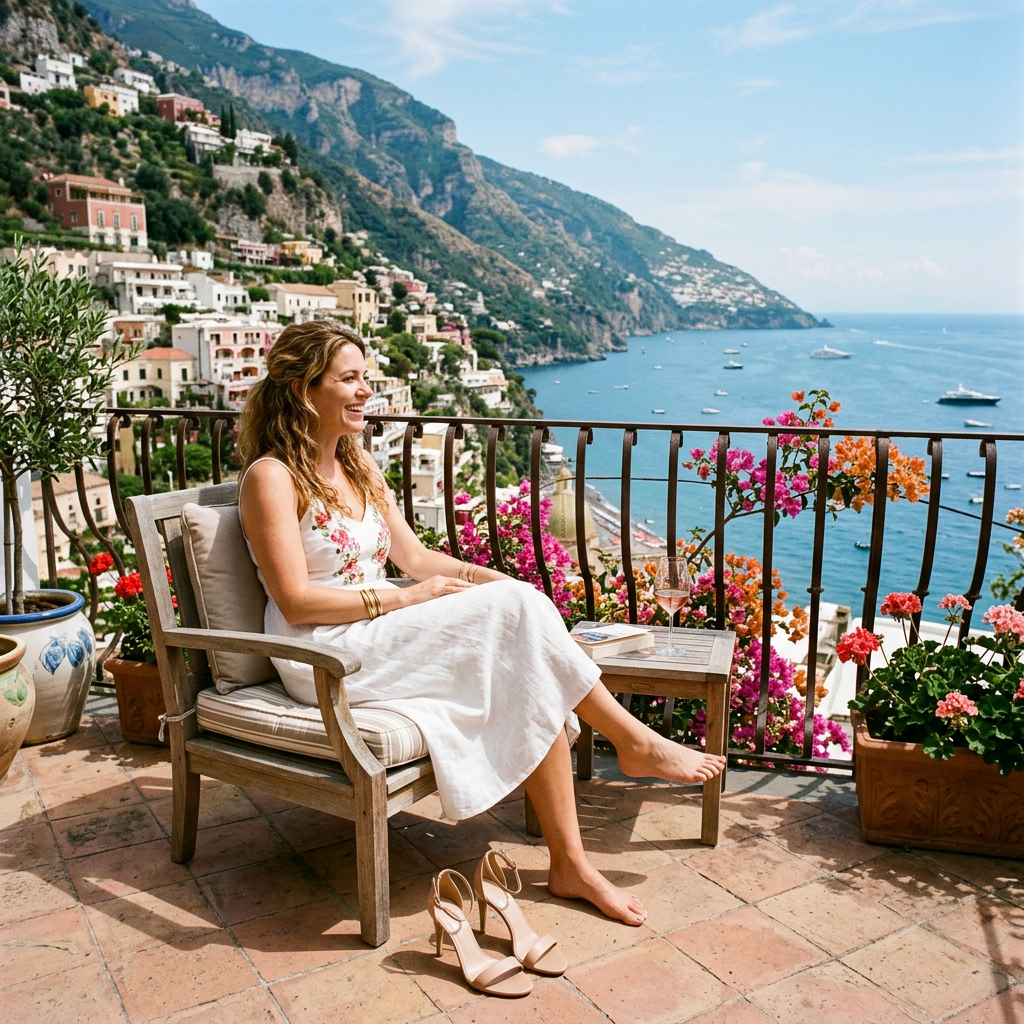
    I will say it out loud, no shame: I used to want to be a full-on Sugar Baby. Not the cheap fantasy version you see online, but the real thing—pampered, polished, and possessed by a man who could afford to keep me dripping in luxury and attention. I was never on Seeking Arrangements or any of those sites, but when I got really sick, that dream became my secret lifeline. While my body was failing me, my mind was busy painting a future where I was not disabled anymore. I imagined myself as this feminine goddess: luscious long hair cascading down my back, completely hairless and smooth everywhere that mattered, skinny, full makeup—the whole package. The kind of girl men could not look away from.

    I joined a private Facebook group full of girls who knew exactly how to weaponize their femininity. They taught me how to dress, how to move, how to speak, how to flirt with power and money. Every post, every tip, every “how to make him obsessed” thread lit a fire under me. It gave me something to fight for on the worst days. While I was stuck in a wheelchair, I was mentally rehearsing the version of me that would turn heads and drain wallets. I wanted to be noticed. I wanted to be admired. Craved. Spoiled. Chosen. Deep down, I did not feel worthy of any of it yet—but that fantasy made me believe I could be.

    And then… it actually happened.

    When we first connected on Twitter (yes, Twitter, before Elon Musk saved us with X) the sugar baby lifestyle was all that I hoped for and I absolutely was not looking for anything real. Commitment? Hard pass. Feelings? Too risky. But attention and shiny new toys? Those I could handle. So that was what I settled for. I strung him along, playing it cool, dropping hints about what I wanted without ever sounding desperate. He read between the lines perfectly.

    He knew the game from the jump. I gave him a PO Box instead of my real address at first—safety first,—and every single week, like clockwork, a new package would show up. AirPods? Delivered with a cheeky video of him on the Apple website ordering them while I was lounging in Cabo, both of us convinced our flirty Twitter phase was fizzling out. A Pretty Woman DVD (yes, an actual physical DVD, the man has taste and nostalgia). Barstool Sports gear for days because we bonded hard over the unfiltered sports talk that made us both laugh like idiots. He spoiled me rotten, and I let him. No guilt. No apologies.

    Every girl should experience sugar baby vibes at least once. There is something powerfully feminine about being pursued, pampered, and provided for while you keep your little heart in a little locked box. The hundred-dollar Venmos, the surprise drops, the thrill of knowing he is thinking about you every time he swipes his card—it is intoxicating. It is not just about the stuff. It is the power dynamic. The way it makes you feel desired, expensive, worth the chase.

    But then it got real. 

    The constant contact—the good-morning texts, the voice notes that made me smirk in public, the weekends that turned into three hour-long FaceTime coffee dates—started cracking my walls. What began as “he buys me things, I give him attention” slowly became I can’t quit him. The sugar daddy arrangement was the gateway drug, but the real addiction was him. His humor. His voice. The way he matched my chaotic energy and then some.

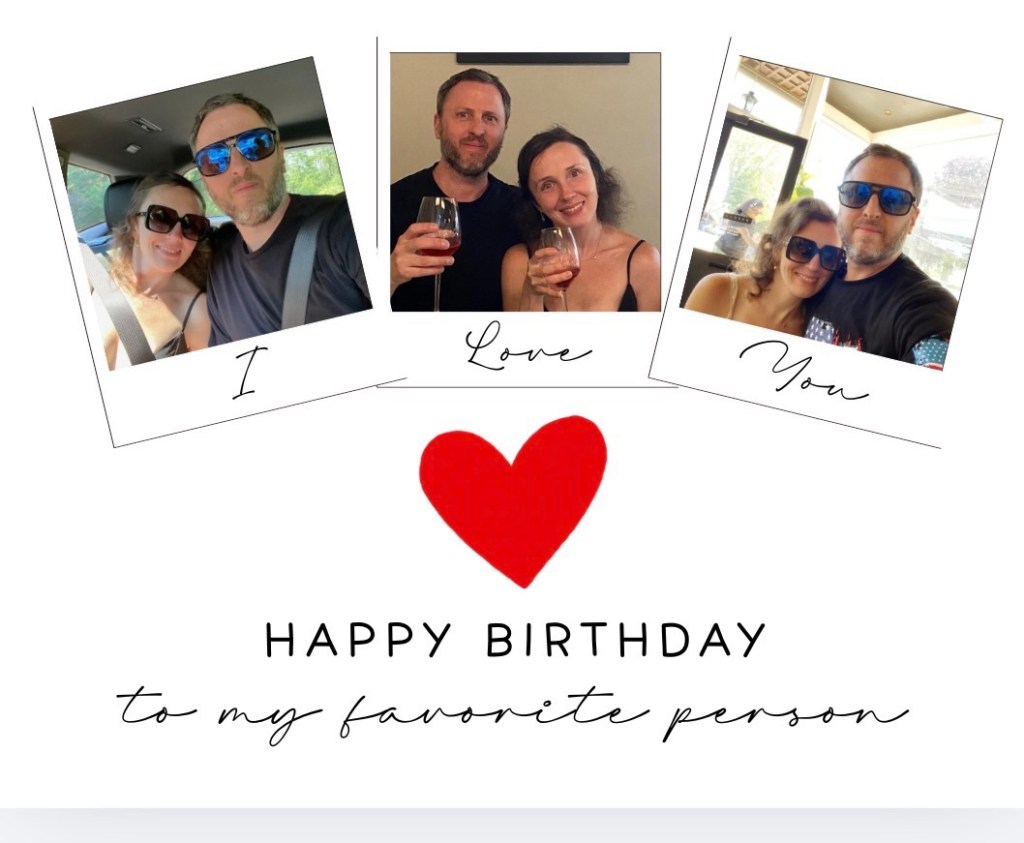
    Now? He still pays my bills. No more random Venmos, but the support is deeper, steadier, sexier in its reliability. He is not just a sugar daddy anymore—he is my man. My love. My favorite person on the planet.

    Yet those Baby and Daddy vibes? They never left. They evolved into something deliciously playful and immature that keeps the spark filthy and fun.

    We act like absolute children together. The kind of childish that involves wrestling over the remote (when we are physically together), ridiculous nicknames, and the kind of uncontrollable laughter that turns into happy tears and breathless squeals. I have never laughed as hard in my life as I do with him. The squeals he pulls out of me—they are embarrassing and addictive. When we first started talking, I used to slap my hand over my mouth— hiding my crooked smile from his view. We are talking full-on belly laughs that leave my abs sore and my face hurting. Pure, unfiltered joy. The man makes me happy in a way I did not know was possible. The kind of happy that makes you glow, that makes everyone side-eye you like, “Who the hell are you right now?”

    There is something profoundly hot about a relationship that can go from “Daddy’s spoiling his baby” to deep, soul-quenching love without losing the playfulness. The power exchange is still there. He provides, I tease. He leads, I challenge. He has me feeling both safe and completely unraveled.  A feeling I never expected. I thought that I would be the other woman. Or a sugar baby. Not the main event. 

    So if a man is willing to show up for you like that—financially, emotionally, playfully—do not be afraid to lean in. Sugar baby energy is not about being shallow; it is about knowing your worth and letting someone prove they can match it. And when the gifts turn into genuine love, when the “arrangement” becomes “forever,” it hits different. Deeper. Wetter. Louder.

    I went from stringing him along with a PO Box to being completely, stupidly in love with the man who still makes me feel like the most spoiled and cherished woman alive—went from a sick girl who did not feel worthy of being looked at to the woman who gets spoiled, and loved so intensely/passionately it leaves me ruined for anyone else.

    And those squeals? They are just getting started.

  • Stop Romanticizing the Past: Embrace Today

    Stop Romanticizing the Past: Embrace Today

    We have all heard it. We have all said it. “Man, things were better back then.” People are always yearning for the good old days—start appreciating everything today:

    Nostalgia is not a memory—it is a seductive liar.

    It edits out the bad.

    The ugly.

    We airbrush the boredom, the limited choices, the untreated depression, the rotten teeth (yay for healthcare!) and the way information trickled so slowly that ignorance felt like wisdom. I kind of do wish we ladies were still dumb, though… I rely more on my man to know what is going on in the world so that I can just be delulu about things.

    And while we are busy pining for that heavily filtered past, the actual miracles are all around us right now. We are living in the most abundant, connected, opportunistic era in human history, and most of us are too busy doom-scrolling and whining to notice.

    Technology seems to be sprinting. AI that writes better essays than most college students. Instant access to the entire library of human knowledge in your pocket. You can video call your grandmother on another continent while ordering takeout that arrives piping hot. And still, people scroll past miracles to complain that their coffee order took four minutes instead of three.

    This change terrifies people. It always has. That is why every generation thinks the next one is doomed. But here is my hot take: your nostalgia is a coping mechanism for your fear of the unknown. It is easier to idealize 1997 than confront 2026. People are afraid. What is going to happen tomorrow or next month?

    It seems easier to romanticize rotary phones than master and learn the new tools.

    Stop yearning. Start appreciating—aggressively.

    The secret is not in the past. It is in the lens. Shift it—or stay miserable.

    Look at your smartphone not as a distraction device but as a doorway for wonder. With it, you can learn a language in weeks, watch a live surgery in Tokyo, or hear the voice of someone who died decades ago (I know… Creepy.) We treat these luxuries like it is normal. It is not. It is insane.

    We find food in our grocery stores from every corner of the world. Planes and automobiles have actually united us. We consume other cultures and cuisines. This is the true meaning of America.

    Surgery and modern medicine (despite its faults) make it absolutely insane to continue complaining about the small aches and pains. Some of us do not even walk; are you really going to cry about a hangnail?

    The internet has also demolished geographic and social barriers. You can meet your person- someone who actually matches your weird frequency- instead of settling for the least awful option within a 10-mile radius. I personally would despise settling down with someone from around here. The old days had arranged marriages and shotgun weddings. We now have sad dating apps and yes, we rate each other based on our looks. So yes, trade-offs exist, but pretending the past was pure romance is historical fan-fiction.

    In a culture addicted to outrage and comparison, choosing to appreciate the present is rebellious. It is punk rock. It flips off the algorithm that profits from dissatisfaction. People really do love to complain, criticize, and comment.

    Essentially, the world is blossoming with possibility while you are staring at old yearbooks. One thing that has always bothered me is that most of our bodies are a biological marvel capable of running, dancing, orgasming, and healing—and yet people are mad about theirs not looking like a filtered influencer. It is called do something about it—if a disabled girl can lose more than one hundred pounds, you can do anything. The body is truly a marvel.

    The mind is too.
    Your mind can comprehend quantum physics (or silly girly things—like writing a blog!) and write love poems, yet you use it to relive 2008 politics.

    The good old days are a trap. They keep you small, bitter, and blind to the abundance screaming for your attention. Every moment you spend mourning a myth is a moment stolen from building something better.

    The world is changing so fast that if you blink too long in nostalgia, you will miss the best parts of being alive right here, right now. The coffee is hot. The internet works—until the power goes out, because living in the woods is great. Your heart is beating. The future is wide open.

    Appreciate it all—fiercely, obnoxiously, unapologetically.

    Or keep complaining. The past will not care, and the present will keep delivering miracles whether you notice them or not.

    The choice is yours. But only one of them feels like living.

  • The Princess Within: Embracing My Damsel in Distress Heart

    The Princess Within: Embracing My Damsel in Distress Heart

    From the moment I could dream, I wanted to be a princess. Not just any princess—This was not a fleeting childhood whim; it was the quiet heartbeat of my entire life. Even now, as an adult, that little girl inside me still looks at the world through tinted glasses. She hopes for magic and rescue. She dreams of a love that feels like it was written in the stars.

    Ever since I was a little girl, fairy tales were never just bedtime stories. They were blueprints for how life should feel. I grew up listening to different princess stories than you. I mean every culture has its own rendition of Cinderella, Sleeping Beauty, and Snow White. I devoured these stories. I was captivated by the princesses’ grace under pressure. Their kindness eventually led to their happily ever afters. I did not just want the happy ending; I wanted the entire experience. I longed for the gentle spoiling by a doting prince (and life itself). I yearned for the soft protection from the world’s harsher realities. I craved that undeniable sense of being seen and valued.

    I craved being spoiled by life in the sweetest ways. Surprise flowers would delight me. Someone remembering my favorite coffee order on a bad day would lift my spirits. I cherished simply feeling like the universe had my back. Beside my desire for abundance and delight, I also deeply wanted to be saved. I longed to be rescued from sadness and loneliness. I yearned to escape the weight of carrying everything alone. I wanted arms that would wrap around me and say, “You don’t have to be strong right now. I got you.”

    This is not about laziness or entitlement. It is about yearning for a softer existence. One where my vulnerability is met with strength and my sensitivity is celebrated rather than criticized.

    Of course, every good fairytale needs its villain, right? In my story, my cousin first played that role. I affectionately refer to her as my “evil stepsister.” Growing up, her teasing and bullying left deep marks on my young heart. She was seemingly perfect and she made sure I knew that I was not perfect. Her actions portrayed her as the ideal antagonist in my personal fairytale. I continued to question my worth throughout my life because of it. 

    Essentially, those experiences did not break me—they shaped me. They reinforced my identity as the misunderstood princess waiting for her turning point. I learned to retreat into my imagination, where I could be graceful and worthy instead of awkward and overlooked. I built emotional walls disguised as daydreams. I always held out hope that one day my real story would begin. To this day, my mother loves to tell me that I live in lala land. 

    Looking back, I see how that dynamic taught me resilience, even if it hurt at the time. But it also cemented something deeper: my tendency to frame my entire life around the “damsel in distress” archetype. (Thank you Pretty Woman!)

    I have basically organized my whole existence around this identity, and I am finally okay admitting it. I love romance that feels epic. I adore knights in shining armor who make me feel protected and adored. I thrive when life offers little sadness and provides moments of pampering. But unfortunately it is  not all sparkle and glass slippers. It means I feel emotions intensely—joy like fireworks, sadness like storms.

    I have had moments where I wondered if this part of me was too much. I have turned to my boyfriend with wide eyes and asked, “Am I simply too much?” His responses have been patient and loving. They remind me that wanting to feel cherished is not a flaw—it is a feature. I am not terribly spoiled. I do not demand the impossible or throw tantrums when things do not go my way. I just carry this princess heart. It believes life can be kinder. Relationships can be more. I deserve to be treated with tenderness.

    This identity has influenced my career choices (or lack thereof), my friendships, and especially my romantic life. I seek connections where I can be soft without being seen as weak. I want to give my all to someone who sees my sensitivity as a gift, not a burden. And yes, I still believe in being saved sometimes. It is not because I am helpless. It is because partnership should include lifting each other up.  And I know that I inspire/ motivate him.

    The older I get, the more I realize that being a princess does not mean waiting in a tower forever. It means wearing the crown despite the life limitations that are around me. 

    I still want the magic. I still hope for grand gestures and quiet moments of being adored. But I am also writing my own story now. In this story, the princess has agency—does not just lay down. She attracts people who match her energy rather than just rescue her from it. 

    So here I am—still that little girl at heart, but with bigger dreams and a stronger sense of self. Proving that wanting softness in a hard world is not weakness and craving love that feels protective and spoiling is not childish.

    Life has not always been a fairytale, but I am learning to create the chapters I always wanted. And who knows? Maybe my prince is already here while still leaving room for a little magic.

  • Defying Disability: My Daily Act of Rebellion

    Defying Disability: My Daily Act of Rebellion

    Every single morning, I whisper sleepy sweet nothings to my man. After that, I rise with fire in my veins. I spend the entire day fighting against the disability that constantly tries to drag me down.

    I push this stubborn, trembling body to its absolute breaking point. I lean hard against the bathroom counter while brushing my teeth. My legs shake as I take selfies for him in the mirror. I refuse to let weakness win. In the kitchen, I grip the edge of the counter. I make my espresso with gritted teeth. My knees threaten to snap back beneath me. I refuse to constantly sit in a wheelchair. I refuse to strap on those ugly, soul-crushing leg braces that would mark me as conquered.(Only HE is allowed to do that!).

    A physical therapist once looked me dead in the eye. She suggested I stop relying on my mother to drive me to appointments. She calmly recommended I call a WHEELCHAIR VAN! It would pick me up and drop me off. She acted like I was some fragile invalid. The words barely left her mouth before I shut that shit down. I was not feeling it. The idea of being loaded and unloaded like cargo made my blood boil. The thought of sitting in a wheelchair instead of the seat of a car was infuriating. I told her no, thank you, and never went back. Now I get down onto the floor everyday and do my own exercises, No van needed. I refuse to give in. I refuse to let anyone reduce me to a scheduled pickup in a van built for surrender.

    Life keeps trying to force me onto my ass. There is even a goddamn chair sitting right there in my shower like a permanent joke . Most days I have no choice but to sit under the hot water like a broken doll while it cascades over me. But the only time I truly get to stand—proud, naked, water streaming down my body—is when my man steps in behind me, his strong hands gripping my hips as he holds me upright so I can clean myself. I love the way he steadies me, the way his hard body presses against mine, keeping me vertical through pure possessive strength while steam fills the air. In those heated moments I feel rebelliously alive, even as my legs scream and tremble beneath me.

    I face that humiliating chair and the endless war with gravity everyday. Yet, I reject every medical enhancement. I refuse every synthetic crutch and modern healthcare. I do not believe in any of it. If it is meant to be, it is meant to be. If sickness is coming for you, it will find you. It does not matter how many pills, injections, gene therapies, or experimental treatments they invent. All the advances in medicine are nothing more than dressed up as progress.

    I will not be synthetically made better.  
    I refuse to be rebuilt, patched, upgraded, or artificially propped up like some defective machine.  
    Only the natural way.  
    Only the forever way.

    And my hands? That is another story. For over fifteen years now, I have had the use of only my right hand. My left hand is dead weight, a silent traitor that sways useless at my side while I fight like hell. I have mastered one-handed shoe tying, buttoning, and zipping. I have learned to handle my personal hygiene with stubborn grace. However, some cooking (chopping, etc) and deep cleaning are still slow and frustrating for me. They are nowhere near as efficient as I demand of myself. I practice longer to get better physically. I refuse to accept the limitation. My ultimate goal is to do it all for my man. I want to cook his meals with these one-and-a-half hands. I want to deep clean our home until it shines, all for him. I want to serve HIM. I want to care for him. My broken body can still rise up and give him everything he deserves.

    This is my daily mantra. It is my middle finger to disability and to weakness. It defies a world obsessed with comfort and “fixing” every imperfection. I choose to feel every tremor, every ache, every exhausting victory on my own raw terms. I lean on counters instead of rolling in chairs. I am held up by my lover’s grip instead of cold metal and plastic. I struggle one-handed. I am eager for the day when I can entirely care for the man I love.

    In a society that worships ease and vulnerability, I stand as a living, breathing, unapologetic rebellion. My legs may shake and threaten to give out. My left hand may be useless dead weight. However, my spirit is lava. I will keep going every single day. I will keep whispering filthy sweet nothings into my man’s ear at night. I will keep fighting with everything I have left.

    This is how I love.  
    This is how I fight.  
    This is how I remain fiercely, provocatively, alive.

  • Americana.

    Americana.

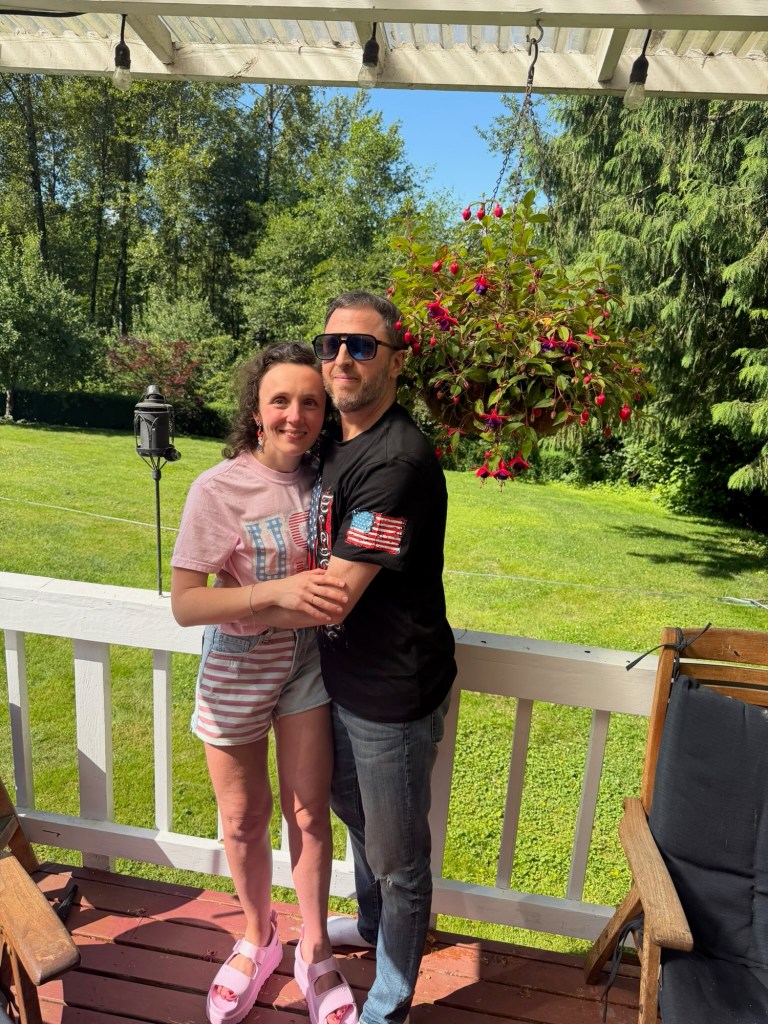
    I have lived in the tiny town of Snohomish, Washington,since I was seven years old. Snohomish is not flashy. It is not Seattle. It is the kind of place where you grow up slow. The biggest drama is who forgot to lock the barn. In Snohomish, “good morning” still means something.

    I used to hate that. I wanted to be a big city girl (ala Samantha Jones in Sex and the City). I even went away from the public school I was supposed to attend. I did this so I could dress and be a little more high class. 

    The girls who live in Snohomish pride themselves for living in a Bodunk town. “Fancy” usually means that you will sink into the muddy fields. It is not the norm.  But I did not like that. I did not want to wear pajamas and slippers to class. I wanted to wear stilettos and I dreamt of living in a penthouse. 

     None of that ended up happening. It became dangerous to even visit a city. Now I have a different perspective of this small town. It feels like living inside a postcard and that postcard smells like rain and fresh-cut grass most days. 

    This town is tiny, maybe ten thousand people. Main Street still looks like it did in the nineteen-twenties. It has brick storefronts, a hardware store that sells everything from nails to fudge, and diners. The river runs right through the middle—Snohomish River, wide and slow. Packed with sunburned locals in July. Around here, summers are for the county fair (something that I do not partake in). It is not the flashy kind with Ferris wheels taller than trees. It’s just a dusty field off Second Street, filled with goats baaa-ing, cotton candy, and sketchy ride operators. Winters are quieter. Fog rolls in off of Puget Sound like a blanket, and school buses crawl through it, headlights glowing. 

    People here do not rush. You wave at strangers because you have seen them before— since the town is so small. Everyone knows everyone’s business. They do not judge, or at least, they do not judge out loud. This was new to this little Russian girl. I left for college, came back since. The river still smells the same. The hardware store still sells fudge. And yes it rains, but it rains softly— as if this place is giving you a hug. 

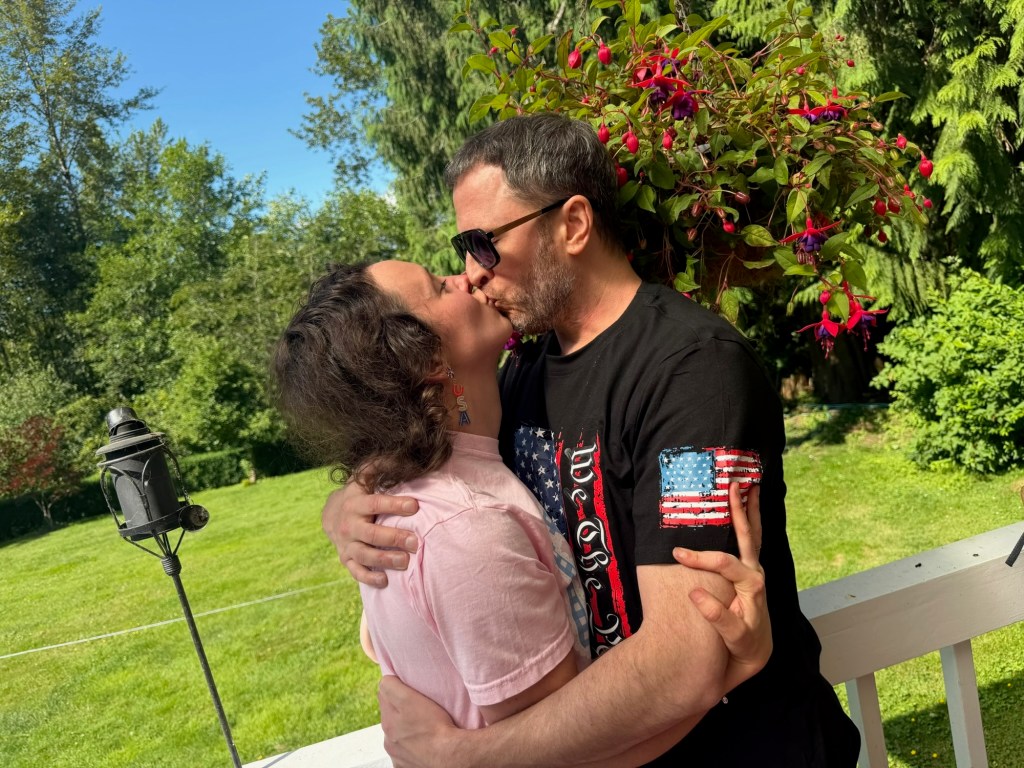
    I want to share this hug with the love of my life. Convincing my boyfriend to move out to Washington state was like my experience of recognizing my hometown in the past. It is different from the postcard version I see now. 

    While we would not be living in Snohomish, small towns are so much more attractive than the big bad cities. While I do not want to dress like a slob or float down a river in the summer— I would rather that than be raped by an immigrant and encounter needles in the storefronts.  He would rather cheer for the teams that his family has always supported and not be surrounded by “aw shucks” coworkers. 

    So I do not belong in Snohomish, Washington, but I have definitely developed an appreciation for small towns. I might live in a small “Americana” town in Montana or the Carolinas. Wherever I end up, I will always waive “hello” and will not judge (out loud).