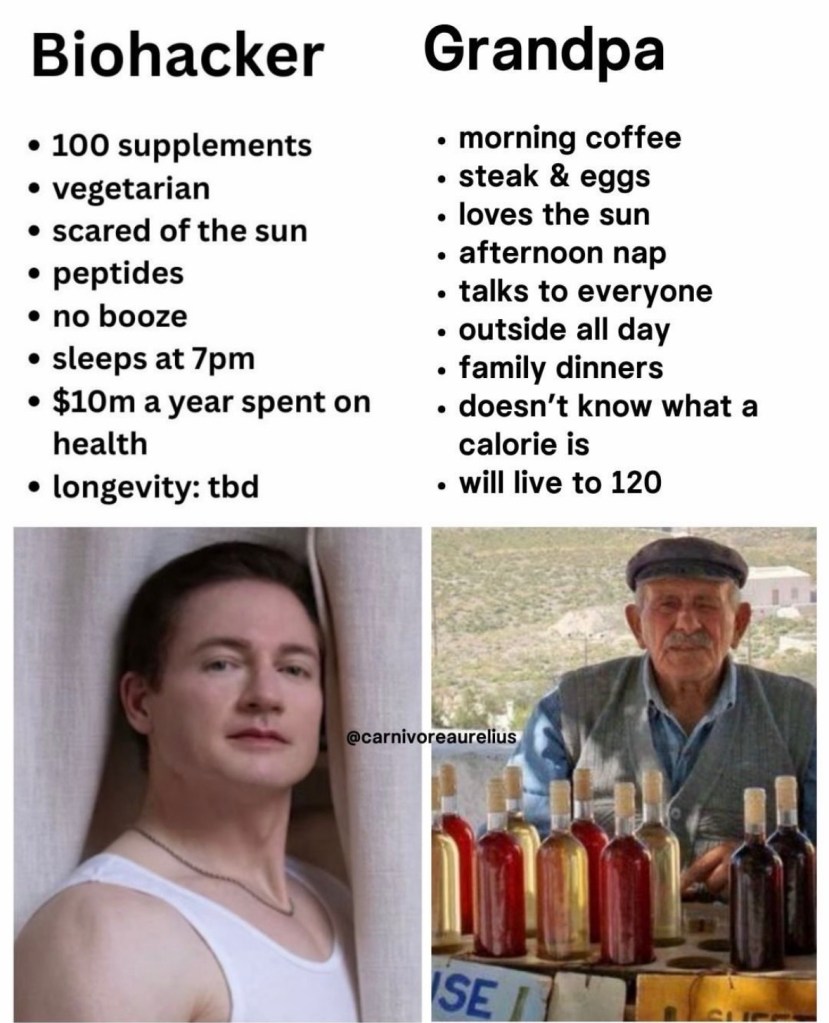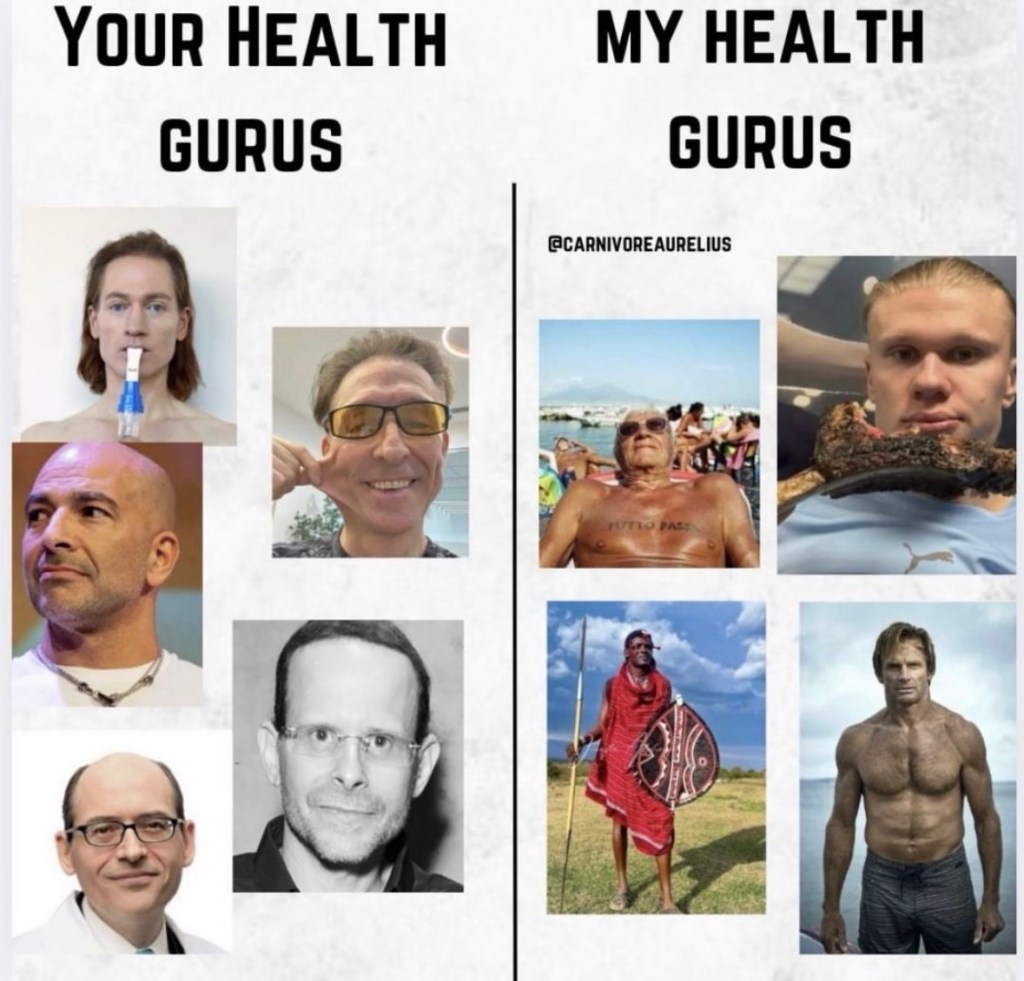
Walk through any mall, airport, or public space today and the pattern is impossible to ignore. Everywhere you look, people carry an unnatural puffiness—an extra layer of swelling that goes far beyond simple “weight gain.” Faces look rounded and heavy, midsections strain against clothing, and movements seem labored. I used to feel a flash of disgust at the sight. Now I mostly feel a deep, quiet sadness. These are not people who simply “let themselves go.” They are victims of a lifestyle that wages war on the human body every single day, and most of them do not even realize the enemy has taken up permanent residence in their homes, their kitchens, and their pockets.
At the root of much of this bloating lies something deceptively simple: elevated cortisol. This is caused by excessive amounts of estrogen (men can have that too!)
Our bodies were never designed to live in a state of low-grade, perpetual stress. Yet that is exactly the environment we have engineered for ourselves. Cortisol, the primary stress hormone, tells the body to hold onto fluid and fat—especially around the midsection—as a survival mechanism. When cortisol stays high for months or years, the result is that characteristic swollen, inflamed look that no amount of “clean eating” alone can fully fix.
The solution is not another restrictive diet or punishing workout plan (although fasting can help). It is choosing the simpler, easier route that actually aligns with how our biology evolved: reduce the unnecessary stressors and give the body what it needs.
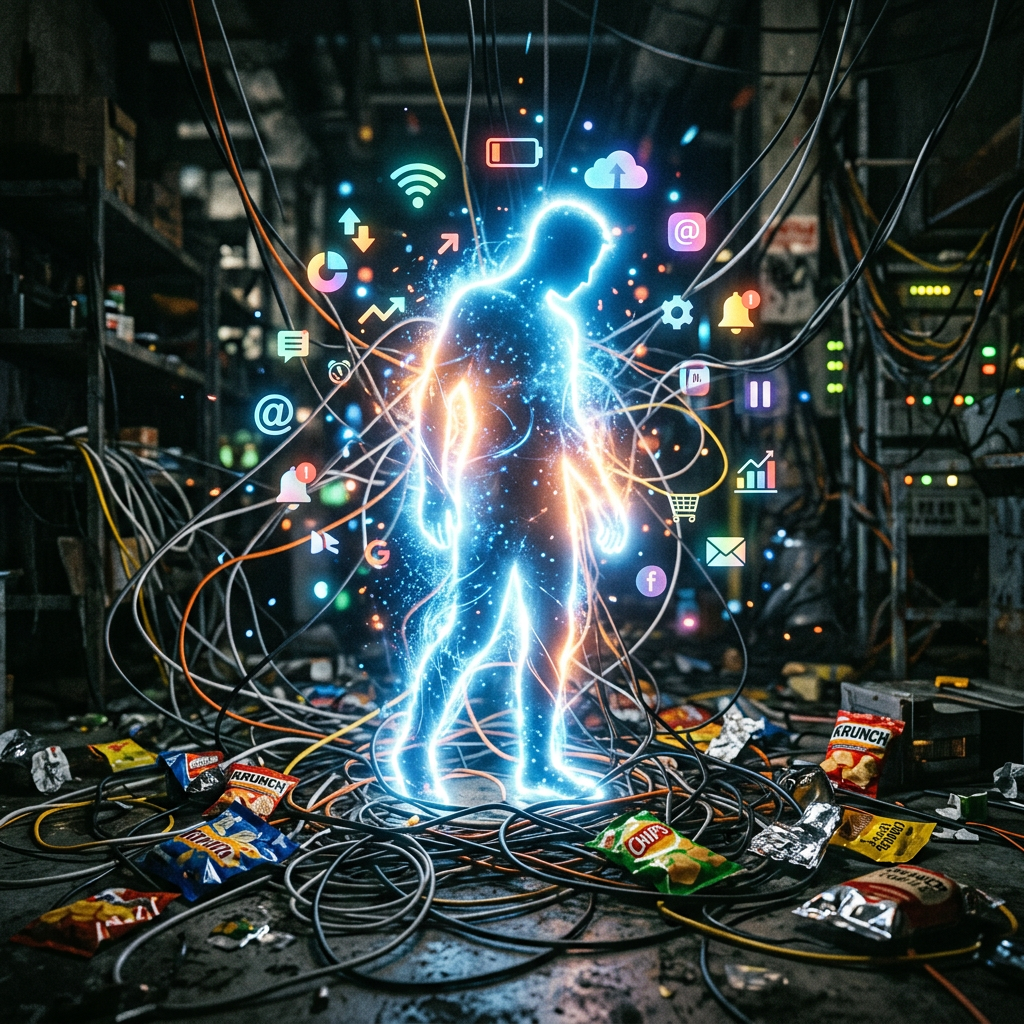
Let us start with the most obvious offender. The modern human spends the majority of waking hours indoors, bathed in artificial blue light from screens, LEDs, and overhead fixtures. Our ancestors rose with the sun and rested when it set. We scroll until 1 a.m. under harsh white and blue glows that suppress melatonin, disrupt circadian rhythms, and keep cortisol elevated long after it should drop (AKA disrupting sleep).

This constant indoor, screen-saturated existence does more than ruin sleep. It weakens vitamin D levels— which harms the human health, dulls mood, inflames the body, and signals to our physiology that we are still under threat. The body responds by holding water, slowing metabolism, and storing energy wherever it can. No wonder so many feel perpetually uncomfortable in their own skin.
Diet is the next major piece. Walk down the center aisles of any grocery store and you will find row after row of products engineered to last on shelves for months or years. These ultra-processed foods—loaded with seed oils, refined sugars, emulsifiers, and additives—trigger inflammation and mess with gut health, which in turn affects everything from hormone balance to fluid retention.
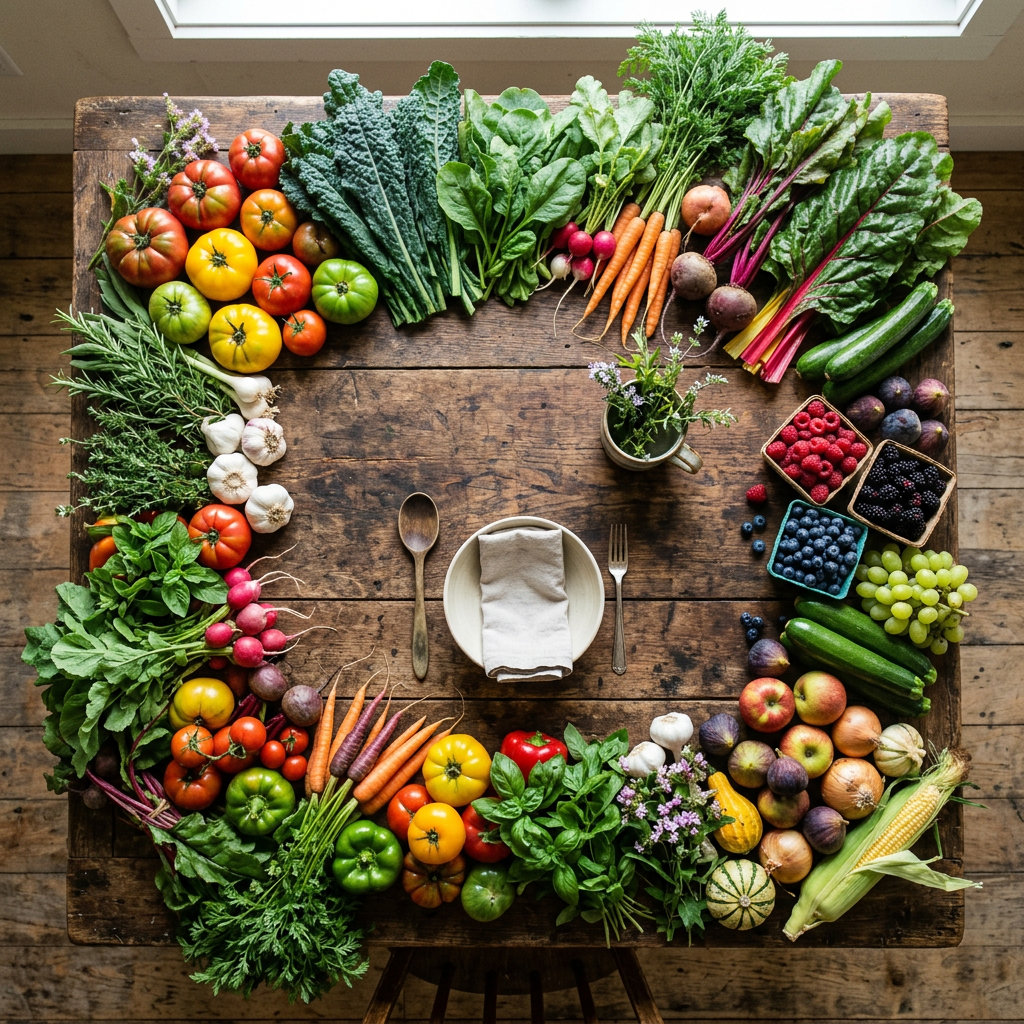
Contrast that with the outer edges of the store and the local farmers’ market. Bright, colorful produce. Leafy greens still carrying dirt from the field. Berries, citrus, cruciferous vegetables, and root crops packed with fiber, micronutrients, polyphenols, and water. These foods do not just nourish; they actively reduce inflammation and help regulate cortisol. Your body recognizes them. It relaxes. It stops operating in emergency mode.
When you consistently feed yourself shelf-stable, junk, your body eventually begins to rebel. Bloating, fatigue, brain fog, and that constant low-level discomfort become the new normal. Many people accept this as “getting older.” It is not . It is a dietary mismatch.
We rarely talk about the other kind of food we consume daily: information and stimulation. Most people feed their minds a steady diet of gossip, outrage, political hysteria, and endless comparison via social media. Doomscrolling floods the brain with cortisol-spiking stimuli. Pornography, OnlyFans etc. offers cheap dopamine hits that further dysregulate reward systems. None of this builds resilience. None of it nourishes the psyche.
Compare that to spending an evening with someone you love—really present, sharing stories, laughing, touching, connecting. The nervous system downregulates. Oxytocin rises. Cortisol falls. The difference in how your body feels the next day is profound.
Real human connection, time in nature, creative hobbies, deep reading, or even quiet reflection—these are the “nutritious foods” for the mind. They do not cost anything extra, yet they deliver returns that no supplement or fitness tracker can match.
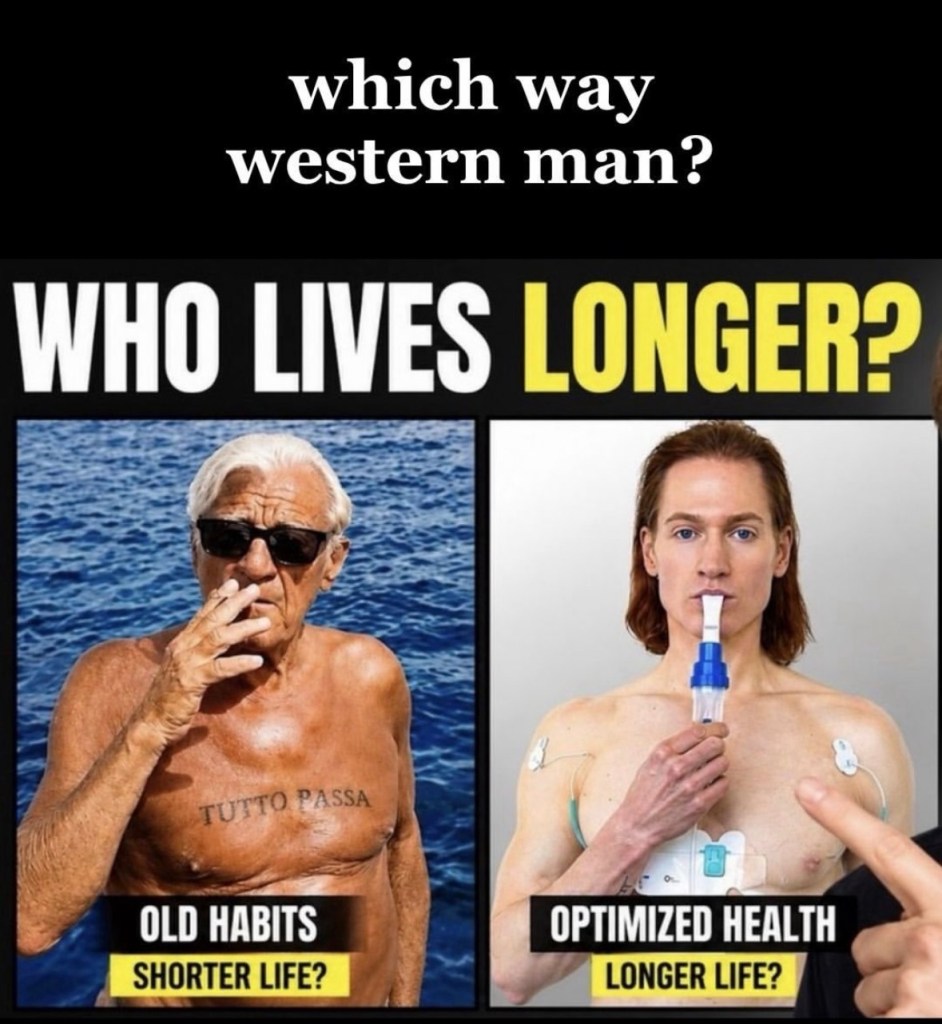
The beautiful truth is that fixing this does not require heroic discipline or expensive interventions. It asks for small, consistent realignments:
- Get outside in natural light, especially in the morning.
- Replace even one processed meal a day with something fresh and colorful.
- Set hard boundaries on screens after sunset.
- Trade thirty minutes of scrolling for a walk (or at least an attempt!) with someone you love or a real conversation.
- Prioritize sleep like it is the most important supplement you will ever take.

These choices feel almost embarrassingly basic. That is why they work. Your body does not need another complicated protocol. It needs you to stop fighting its natural design.
The way out is simpler than we have been led to believe. It starts with awareness, continues with small daily acts of respect toward your body and mind, and compounds into a version of yourself that feels lighter—not just in weight, but in spirit.
Your body is not the enemy. The lifestyle we have normalized is. Choose the easier route. Choose alignment. The relief you have been searching for might be closer than you think.