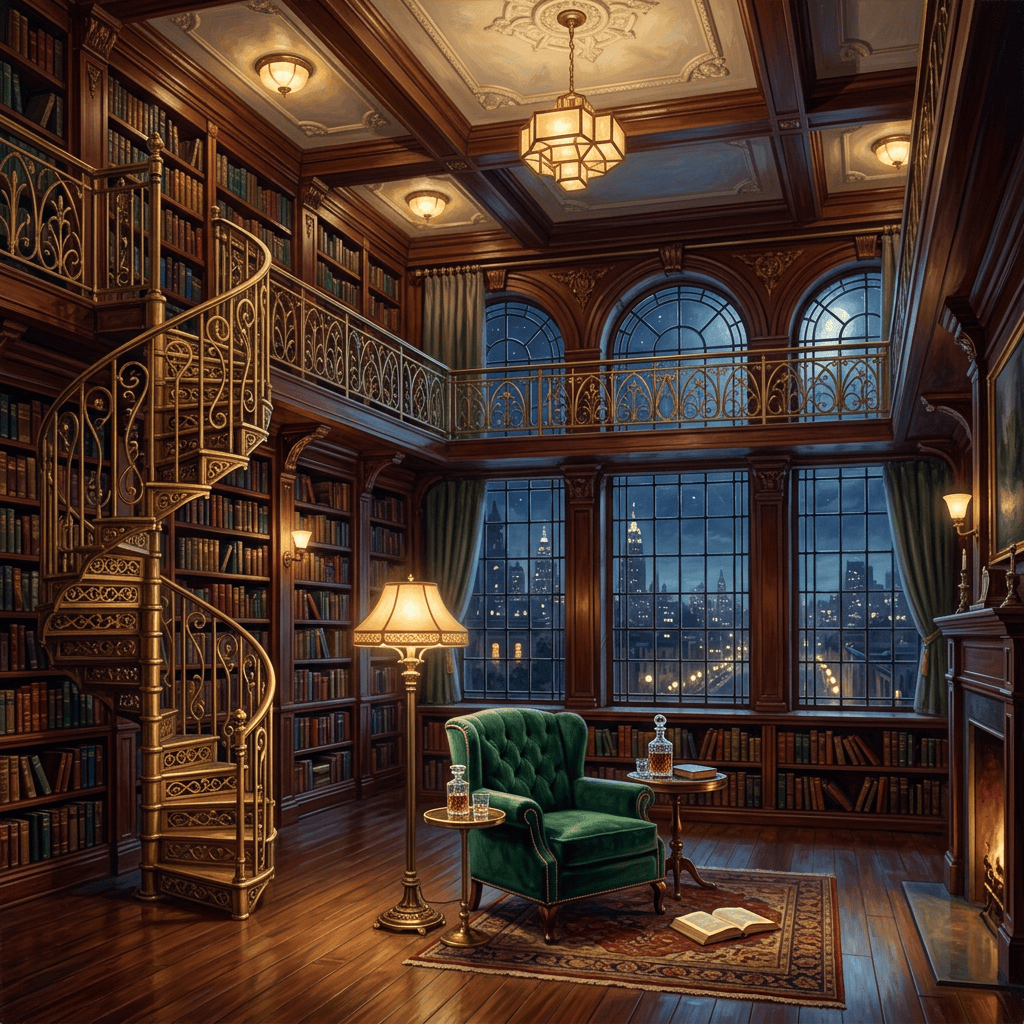
Which author would you love to have dinner with?
If I were to have dinner with an author, it would be F. Scott Fitzgerald. Not because of the obvious masterpiece everyone names first—The Great Gatsby—but because he understood luxury as a temperature, a texture, a way of moving through a room. He did not merely describe wealth. He lived inside its shimmer and its hangover, and he wrote as if both were equally sacred.
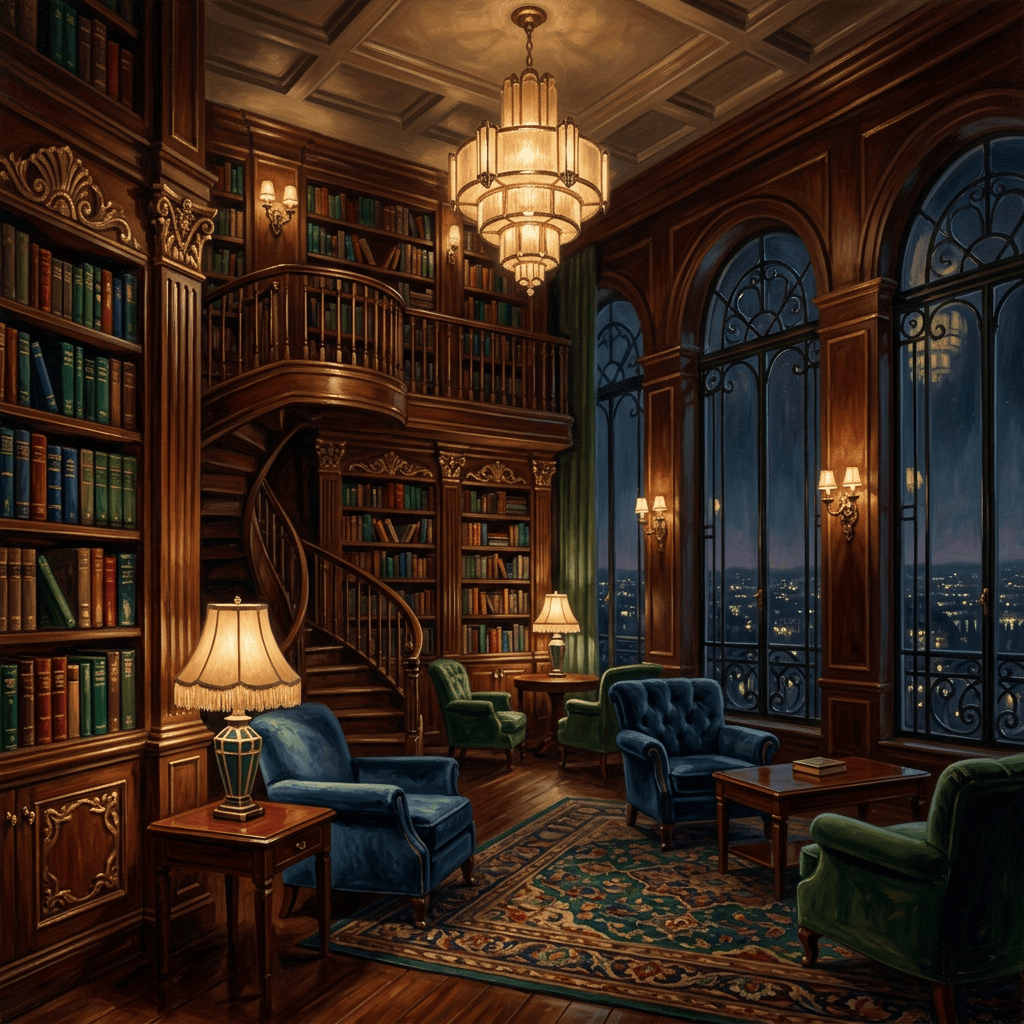
I have never been especially moved by stories that ask me to stay where I already am. Many people prefer fantasy worlds they can visit and leave, or novels that feel “relatable,” which often means ordinary kitchens, ordinary disappointments, ordinary weather. I have always been drawn the other way: toward silk, late hours, expensive mistakes, and the particular loneliness that arrives when the party is still going and you realize you are the only one who notices the light has changed. Fitzgerald paints that picture better than almost anyone. He makes luxury look not like a shopping list but like a climate.
The Great Gatsby is the public cathedral. It is the book of the green light, the orchestra, the rumor. It is magnificent. But The Beautiful and Damned is the private room. Anthony Patch and Gloria Gilbert are not striving toward a dream so much as they are already inside one and slowly ruining the furniture. They are beautiful, idle, certain the future will keep paying their bills because it always has. They drink, they quarrel, they buy a second house they cannot afford because the idea of a gray country house is prettier than the math. They treat inheritance like weather: something that will arrive if you wait long enough in the right clothes. I recognize that hunger. Not the poverty of wanting more, but the more dangerous appetite of people who already have enough to be ruined by taste.
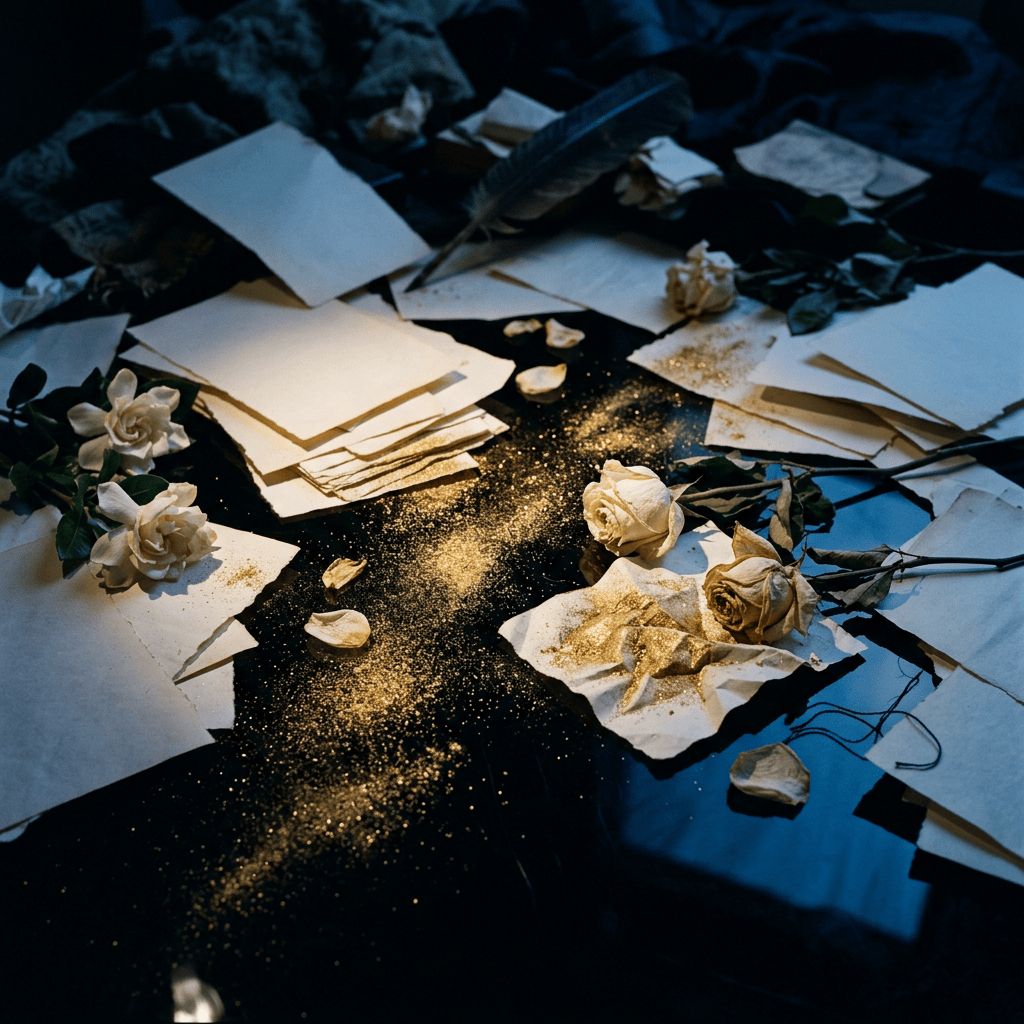
Fitzgerald and his wife Zelda lived the same plot in public. Newly famous, they took over hotel lobbies as if the city were a set built for them. They spun in revolving doors, slid down banisters, jumped into fountains, arrived at parties on all fours, locked a jazz band in a bedroom and made it play until morning. They crossed the Atlantic with too much luggage and rented villas above the Mediterranean because New York had become too loud and too expensive for the kind of living they refused to scale back. He wrote about living on practically nothing a year while still ordering champagne. The contradiction is the point. Luxury, in Fitzgerald, is never only possession. It is performance, mood, and the brief conviction that beauty can postpone consequence.
That is why I want dinner with him rather than a seminar on his most famous novel. I do not want the monument. I want the man who knew that parties are intimate precisely because they are large, that the very rich are different because they possess early and grow soft and cynical in places the rest of us stay hard, that “eat, drink, and be merry” is both a philosophy and a slow form of suicide. I want the writer who could make a cloth-of-gold dress and a platinum ring feel like plot. Zelda once advertised The Beautiful and Damned by listing the clothes she could buy if enough people purchased the book. That is not a joke to me. That is the aesthetic I live toward: art that funds the next beautiful object, beauty that funds the next sentence.
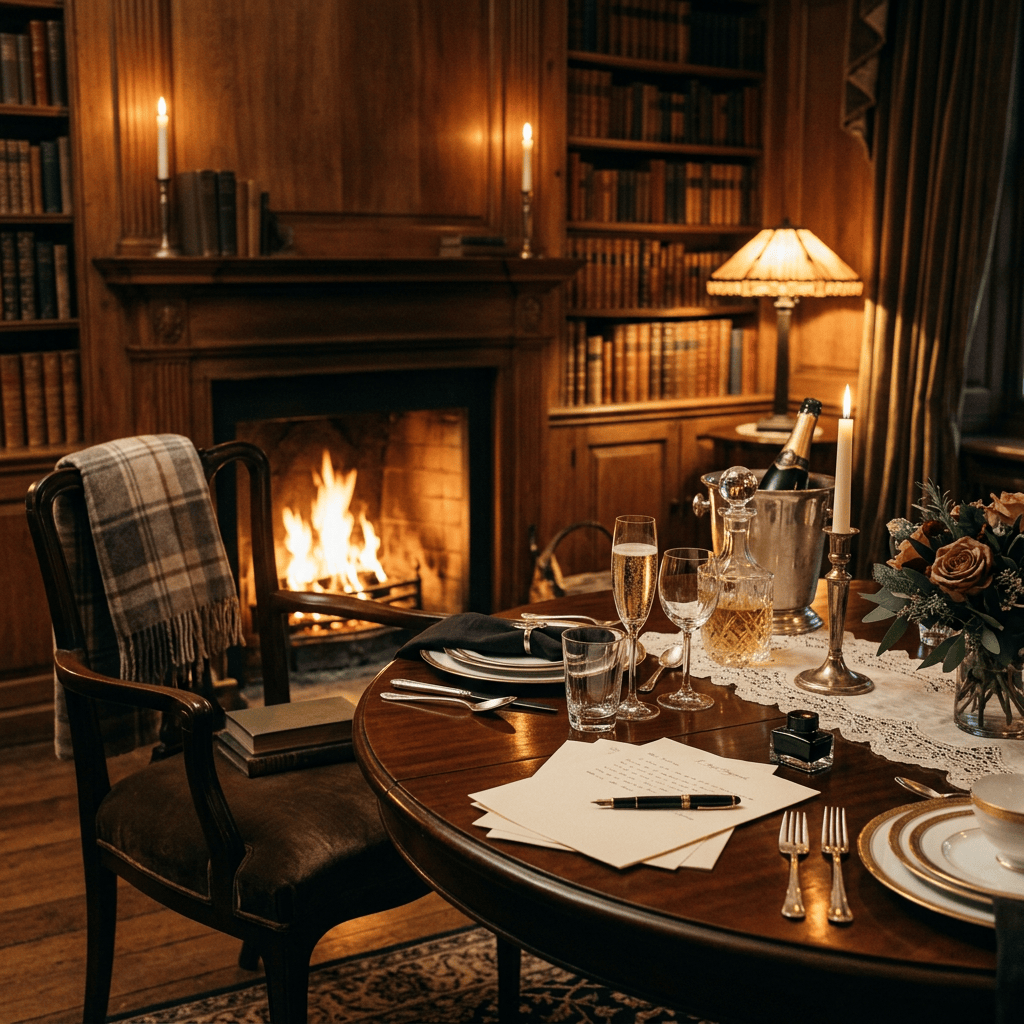
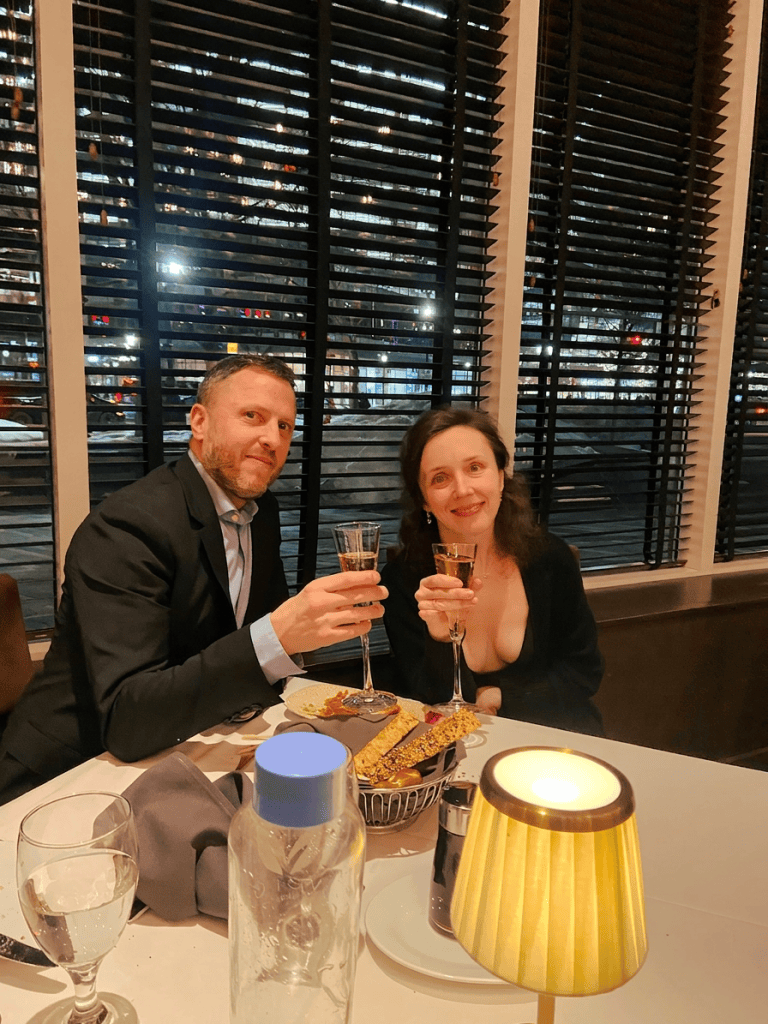
Dinner would not be modest. I imagine a table that looks casually expensive and is, in fact, carefully so: low light, heavy silver, something cold and gold in the glass, a room that smells of perfume, cigarette smoke, and citrus from a bowl no one will eat. He would talk too much and then go quiet in a way that makes you lean in. He would notice the cut of a jacket before the content of a confession. He would be funny about money and then suddenly exact about it. He would understand, without needing it explained, why some of us do not want stories that return us to the life we already know how to survive. We want stories we can project onto the life we are trying to inhabit: the late dinner, the borrowed glamour, the risk that beauty is both the prize and the damage.
The Beautiful and Damned is that projection. It is not a cautionary tale I read in order to become more responsible. It is a mirror I hold up when I want to see the version of myself that still believes atmosphere is a moral category. Anthony and Gloria fail, of course. They waste time, money, youth, and each other. Fitzgerald knew the bill always comes. He just refused to pretend the evening was not worth it while the candles were still lit.
More stories about that, please. Not more worlds of dragons or more kitchens of quiet endurance. More rooms where the lighting is unforgivable, the clothes are too fine for the bank balance, the conversation is half seduction and half autopsy, and someone at the table still believes that if you live beautifully enough, the universe might keep the lights on a little longer. Fitzgerald made that belief look like literature. I would like to sit across from him and see whether, for one night, it still looks like a plan.








 Kat’s Musings