Tag: Cancer

  • Dinner with F. Scott Fitzgerald: The Allure of Literary Luxury

    Dinner with F. Scott Fitzgerald: The Allure of Literary Luxury

    Which author would you love to have dinner with?

    If I were to have dinner with an author, it would be F. Scott Fitzgerald. Not because of the obvious masterpiece everyone names first—The Great Gatsby—but because he understood luxury as a temperature, a texture, a way of moving through a room. He did not merely describe wealth. He lived inside its shimmer and its hangover, and he wrote as if both were equally sacred.
    Ornate wood-paneled library with bookshelves, seating, chandelier, and city views
    A richly appointed library lounge invites quiet reading beneath a glowing chandelier and tall arched windows.

    I have never been especially moved by stories that ask me to stay where I already am. Many people prefer fantasy worlds they can visit and leave, or novels that feel “relatable,” which often means ordinary kitchens, ordinary disappointments, ordinary weather. I have always been drawn the other way: toward silk, late hours, expensive mistakes, and the particular loneliness that arrives when the party is still going and you realize you are the only one who notices the light has changed. Fitzgerald paints that picture better than almost anyone. He makes luxury look not like a shopping list but like a climate.

    The Great Gatsby is the public cathedral. It is the book of the green light, the orchestra, the rumor. It is magnificent. But The Beautiful and Damned is the private room. Anthony Patch and Gloria Gilbert are not striving toward a dream so much as they are already inside one and slowly ruining the furniture. They are beautiful, idle, certain the future will keep paying their bills because it always has. They drink, they quarrel, they buy a second house they cannot afford because the idea of a gray country house is prettier than the math. They treat inheritance like weather: something that will arrive if you wait long enough in the right clothes. I recognize that hunger. Not the poverty of wanting more, but the more dangerous appetite of people who already have enough to be ruined by taste.
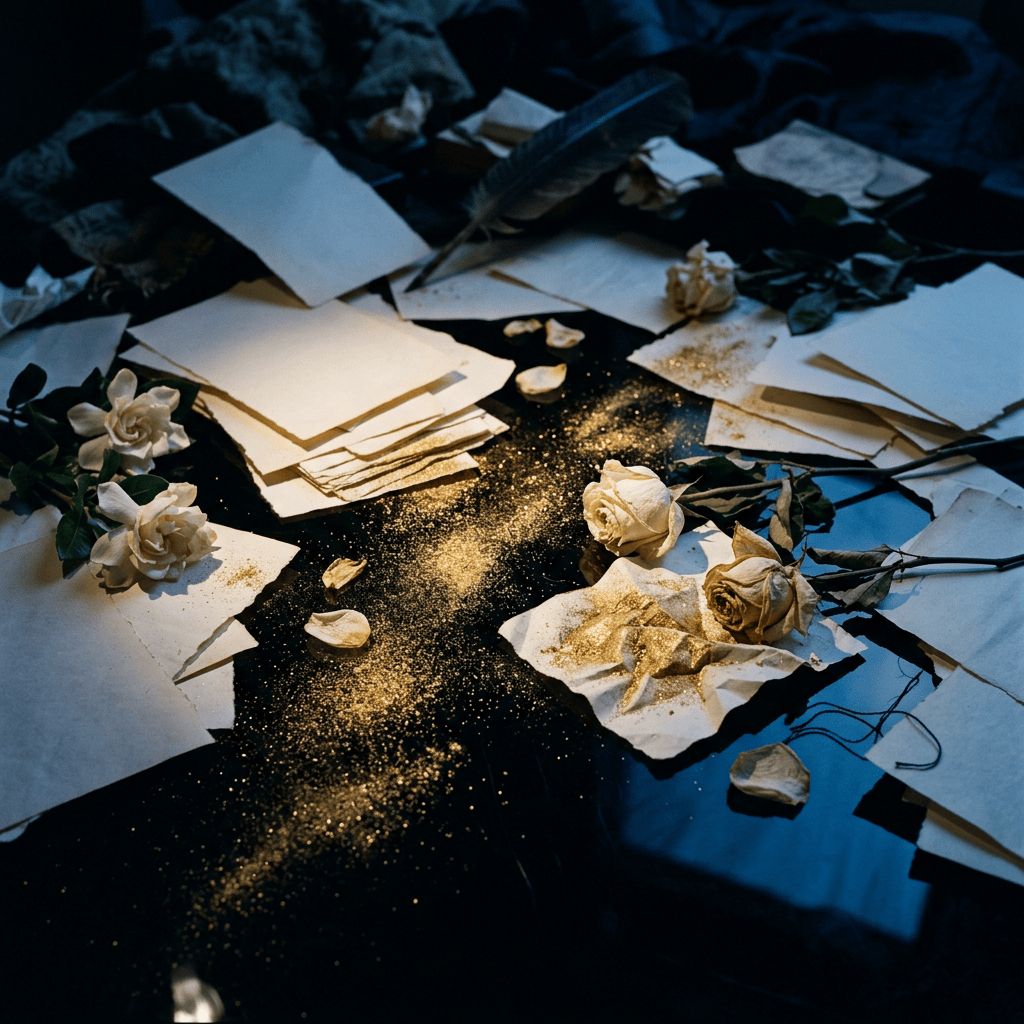
    Dried roses and scattered letters covered in golden dust on dark fabric
    Dried roses, scattered letters, and golden dust create a hauntingly romantic still life.

    Fitzgerald and his wife Zelda lived the same plot in public. Newly famous, they took over hotel lobbies as if the city were a set built for them. They spun in revolving doors, slid down banisters, jumped into fountains, arrived at parties on all fours, locked a jazz band in a bedroom and made it play until morning. They crossed the Atlantic with too much luggage and rented villas above the Mediterranean because New York had become too loud and too expensive for the kind of living they refused to scale back. He wrote about living on practically nothing a year while still ordering champagne. The contradiction is the point. Luxury, in Fitzgerald, is never only possession. It is performance, mood, and the brief conviction that beauty can postpone consequence.
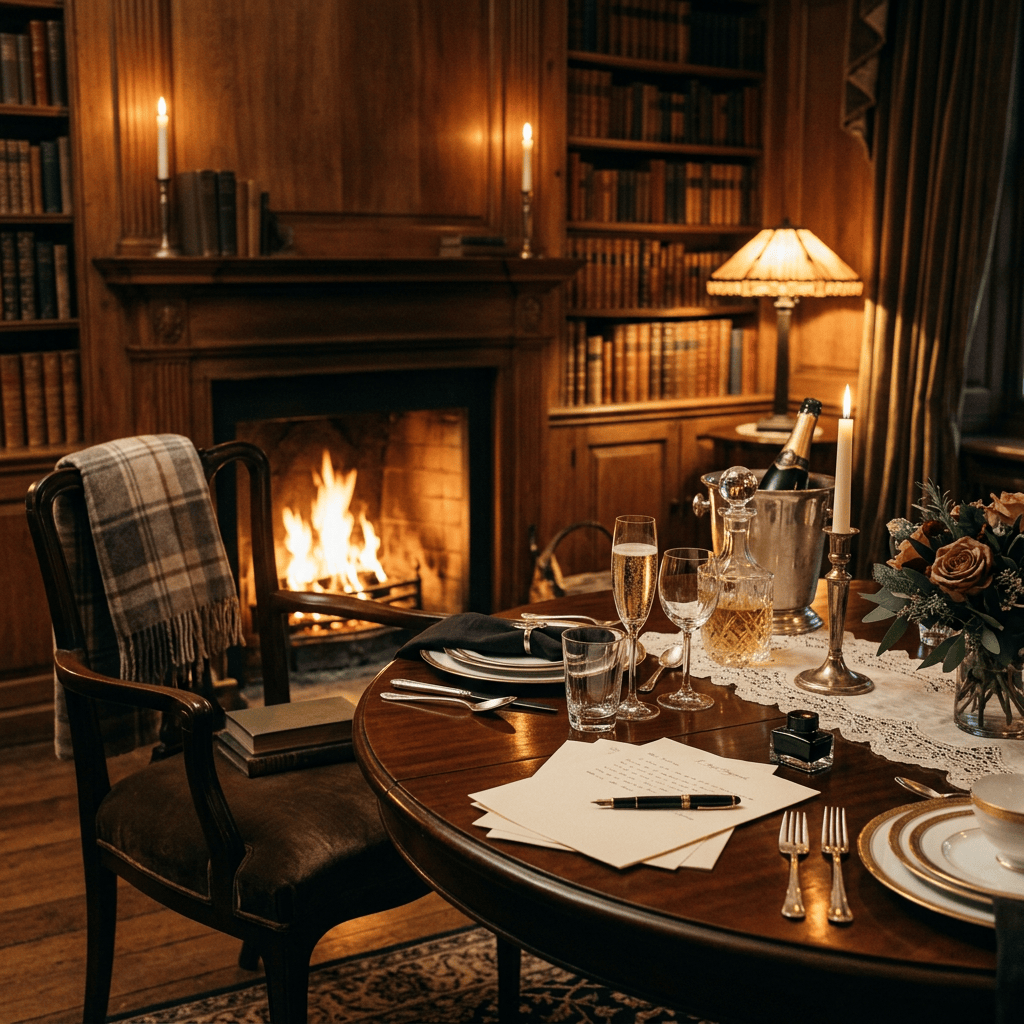
    Elegant dinner table beside a roaring fireplace with champagne and flowers
    A warmly lit fireside table is prepared with champagne, flowers, and handwritten invitations.

    That is why I want dinner with him rather than a seminar on his most famous novel. I do not want the monument. I want the man who knew that parties are intimate precisely because they are large, that the very rich are different because they possess early and grow soft and cynical in places the rest of us stay hard, that “eat, drink, and be merry” is both a philosophy and a slow form of suicide. I want the writer who could make a cloth-of-gold dress and a platinum ring feel like plot. Zelda once advertised The Beautiful and Damned by listing the clothes she could buy if enough people purchased the book. That is not a joke to me. That is the aesthetic I live toward: art that funds the next beautiful object, beauty that funds the next sentence.

    Dinner would not be modest. I imagine a table that looks casually expensive and is, in fact, carefully so: low light, heavy silver, something cold and gold in the glass, a room that smells of perfume, cigarette smoke, and citrus from a bowl no one will eat. He would talk too much and then go quiet in a way that makes you lean in. He would notice the cut of a jacket before the content of a confession. He would be funny about money and then suddenly exact about it. He would understand, without needing it explained, why some of us do not want stories that return us to the life we already know how to survive. We want stories we can project onto the life we are trying to inhabit: the late dinner, the borrowed glamour, the risk that beauty is both the prize and the damage.

    The Beautiful and Damned is that projection. It is not a cautionary tale I read in order to become more responsible. It is a mirror I hold up when I want to see the version of myself that still believes atmosphere is a moral category. Anthony and Gloria fail, of course. They waste time, money, youth, and each other. Fitzgerald knew the bill always comes. He just refused to pretend the evening was not worth it while the candles were still lit.

    More stories about that, please. Not more worlds of dragons or more kitchens of quiet endurance. More rooms where the lighting is unforgivable, the clothes are too fine for the bank balance, the conversation is half seduction and half autopsy, and someone at the table still believes that if you live beautifully enough, the universe might keep the lights on a little longer. Fitzgerald made that belief look like literature. I would like to sit across from him and see whether, for one night, it still looks like a plan.
  • The Sun: Nature’s Medicine for Mood and Immunity

    The Sun: Nature’s Medicine for Mood and Immunity

    Modern day medicine turned the single most abundant, free, life-giving force on this planet—the magnificent sun—into Public Enemy Number One. Slather on the chemicals, hide indoors like a pasty little gremlin, and for the love of God, never let a single UV ray touch your precious skin. Meanwhile, humanity somehow survived ice ages, plagues, and zero SPF for hundreds of thousands of years without dropping dead from “sun exposure.” Funny how that works.

    Our ancestors were not cowering in caves with broad-spectrum lotion and a sun umbrella. They were out there hunting, farming, fucking, and fighting under the blazing sky every single day. Skin cancer? Melanoma? Those numbers stayed relatively quiet until the sunscreen industry exploded onto the scene in the mid-20th century. Suddenly we are all marinating in titanium dioxide smoothies and wondering why skin cancer rates keep climbing.

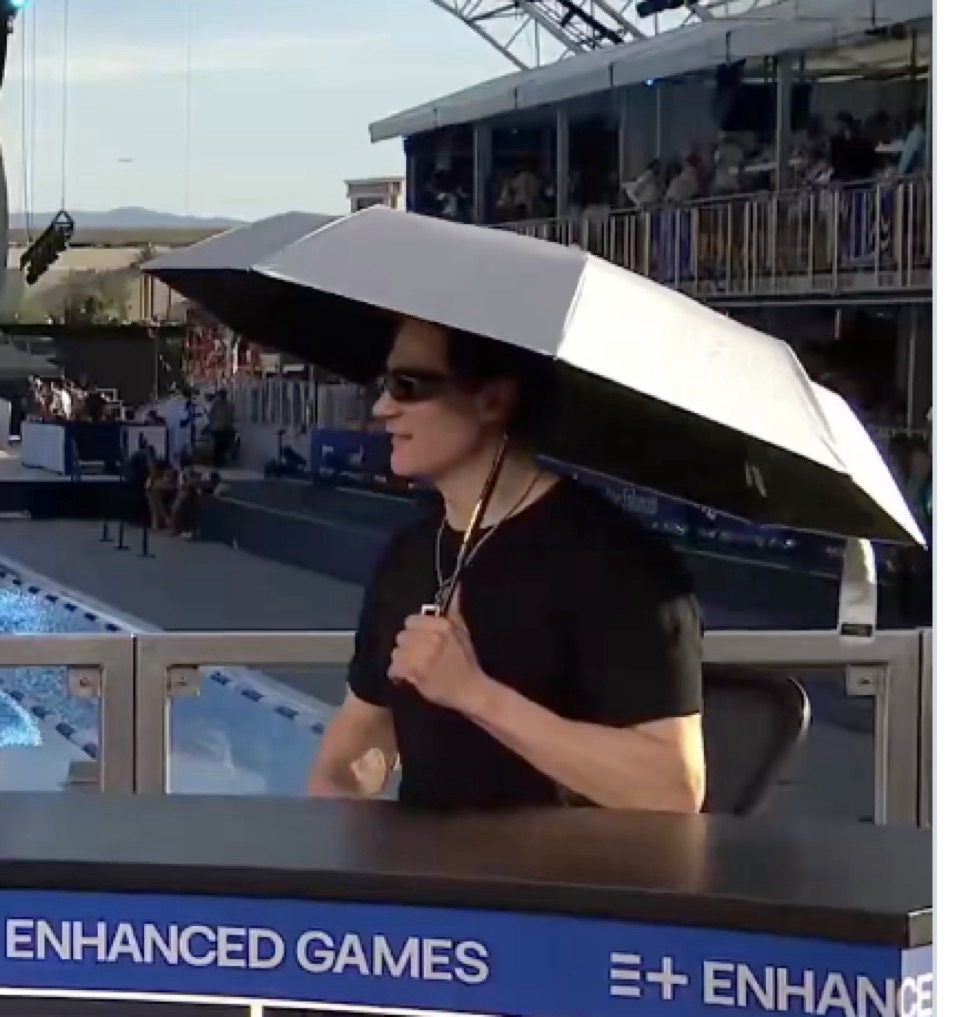
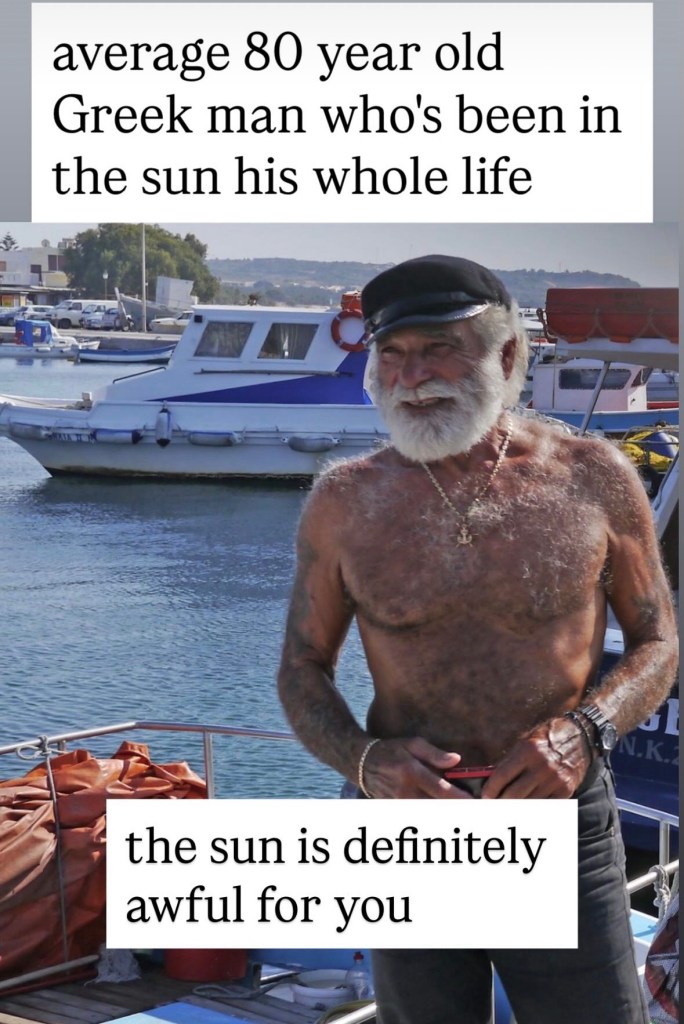
    He looks happy to me!

    Do not get me wrong—there are decent mineral-based sunscreens out there that actually reflect the rays instead of turning your skin into a chemical refinery. But the cheap shit most people glob on? That is basically endocrine-disrupting soup with a side of hormone messiness. The kind of goop that probably does more long-term damage than a mild burn ever could. Yet the “experts” keep pushing it like it is holy water while conveniently ignoring the data that does not fit their narrative.

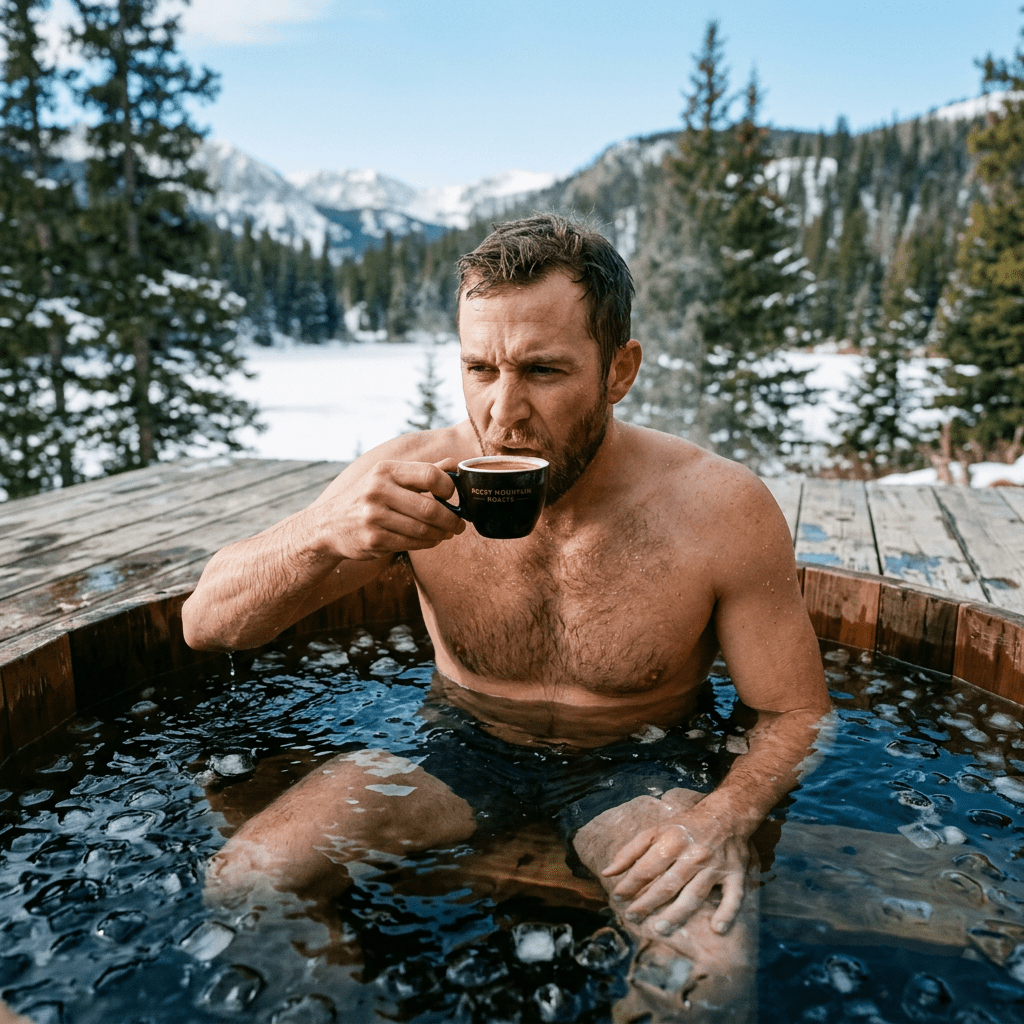
    If you really want to see the sun’s power, look at what happens when you actually use it like nature intended. Andrew Huberman (neuroscientist chad who actually talks sense) hammers this constantly: get outside within the first hour of waking and stare at that beautiful bastard in the sky. Not directly—peripheral view only, soak it in. That morning light slams the reset button on your circadian rhythm harder than a triple espresso and a cold plunge combined.

    Man sitting in an ice-filled wooden hot tub drinking coffee outdoors in a snowy mountain setting
    A man enjoys a cup of coffee while sitting in an ice-filled wooden hot tub outdoors.

    Your body clock starts firing on all cylinders. Cortisol wakes you up properly instead of that pathetic artificial spike from your phone screen. Melatonin production later at night becomes sharp and clean because you did not spend the whole day hiding from photons like some vitamin D-deficient basement dweller. Low levels of vitamin D is associated with many autoimmune issues and fatigue/ depression. Blue light from lamps and screens at night? That is the real villain, flooding your house- wrecking sleep, mood, and testosterone. But sure, let us keep blaming the sun.

    People who get consistent, smart sun exposure report better energy, clearer skin, stronger immune systems, and yes—often better moods. The sun triggers nitric oxide release, helps with blood pressure, boosts mood via serotonin pathways, and is literally the reason you can synthesize vitamin D, which controls everything from bone density to immune regulation to cancer protection. That is right—proper sun exposure is anti-cancer in the bigger picture.

    Modern medicine loves a good villain. Cholesterol was the bad guy until it was not . Fat was evil until keto took over. Now it is the sun’s turn to be demonized so they can sell you more pills, creams, and procedures. Meanwhile, populations living closer to the equator with higher natural sun exposure often show lower rates of certain internal cancers and autoimmune issues when their vitamin D levels are optimized. But do not expect that on the evening news.

    The real message is not “go get third-degree burns, bro.” It is use your brain. Build tolerance gradually. Get morning light. Get midday sun when your shadow is shorter than you. Cover up or use good mineral protection during peak hours if you are pale if you want . Eat foods that support skin health. Stop treating the sun like a toxic ex when it’s been keeping life on this rock going since day one.

    We have become a society of fluorescent-lit, screen-staring, sunscreen-caked weaklings who are shocked—shocked—that we feel like shit and need SSRIs and sleeping pills. Maybe, just maybe, the glowing ball in the sky that every ancient culture worshipped for a reason is not trying to murder you.

    Men used to fight wars, now “men” like Bryan Johnston are hiding from the sun

    Get outside. Touch grass. Stare at the sun (responsibly). Feel alive for once.

    Your ancestors are laughing at us, wondering what the hell happened to their descendants.