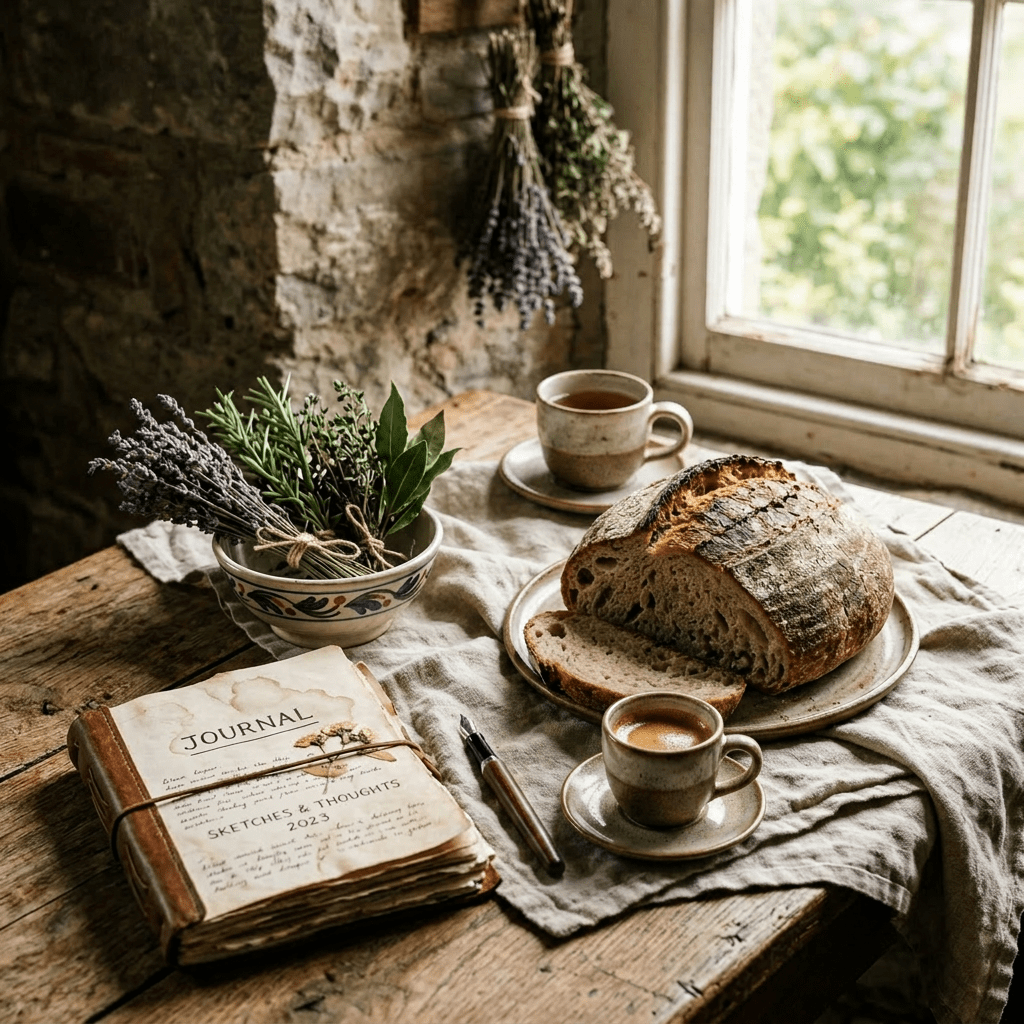
In a world that glorifies the relentless grind—the 5 a.m. alarms, the overflowing inboxes, the endless cycle of productivity hacks and side hustles—there is a quiet revolution blooming in meadows and on windowsills. It is called cottagecore, and it is not just an aesthetic. It is a lifeline for those of us whose nervous systems have been fried by the modern expectation to do it all, be it all, and still look effortlessly polished while doing so.
Cottagecore is the dream of soft mornings wrapped in linen, the scent of fresh bread cooling on the windowsill, hands stained with berry juice from jam-making rather than ink . It is the gentle rejection of a life that was never designed for human flourishing. And for many burned-out Zoomers (and yes, some of us who came just before them), it became the soft landing we desperately needed.
Picture this: You are rushing out the door, hobbling in stilettos, latte in one hand, briefcase threatening to burst just like your barely-contained anxiety. You Uber across the city for a meeting that could have been an email, all while mentally preparing for happy hour later—because heaven forbid you miss the narrow window to “meet someone” who might join you for brunch on the weekend. Then, because society demands you remain a certain shape, you drag yourself to a workout class at dawn so you do not become one of those “sad piles of fat.”

Layer on top of that the constant family obligations, notifications that never stop pinging, and the quiet terror that if you slow down for even a moment, you can fall behind. Our nervous systems were never meant to handle this level of stimulation. We are wired for seasonal rhythms, for community in small doses, for rest that actually restores.
The pandemic, for many, cracked the illusion wide open. Suddenly the hamster wheel paused. No more commuting. No more forced socializing that left us emptier than before. And in that stillness, a truth emerged: we do not actually want the girlboss life. We want to bake sourdough at 10 a.m. on a Tuesday. We want to knit by the window while it rains. We want to tend a garden that feeds us more than just vegetables—it feeds our souls.
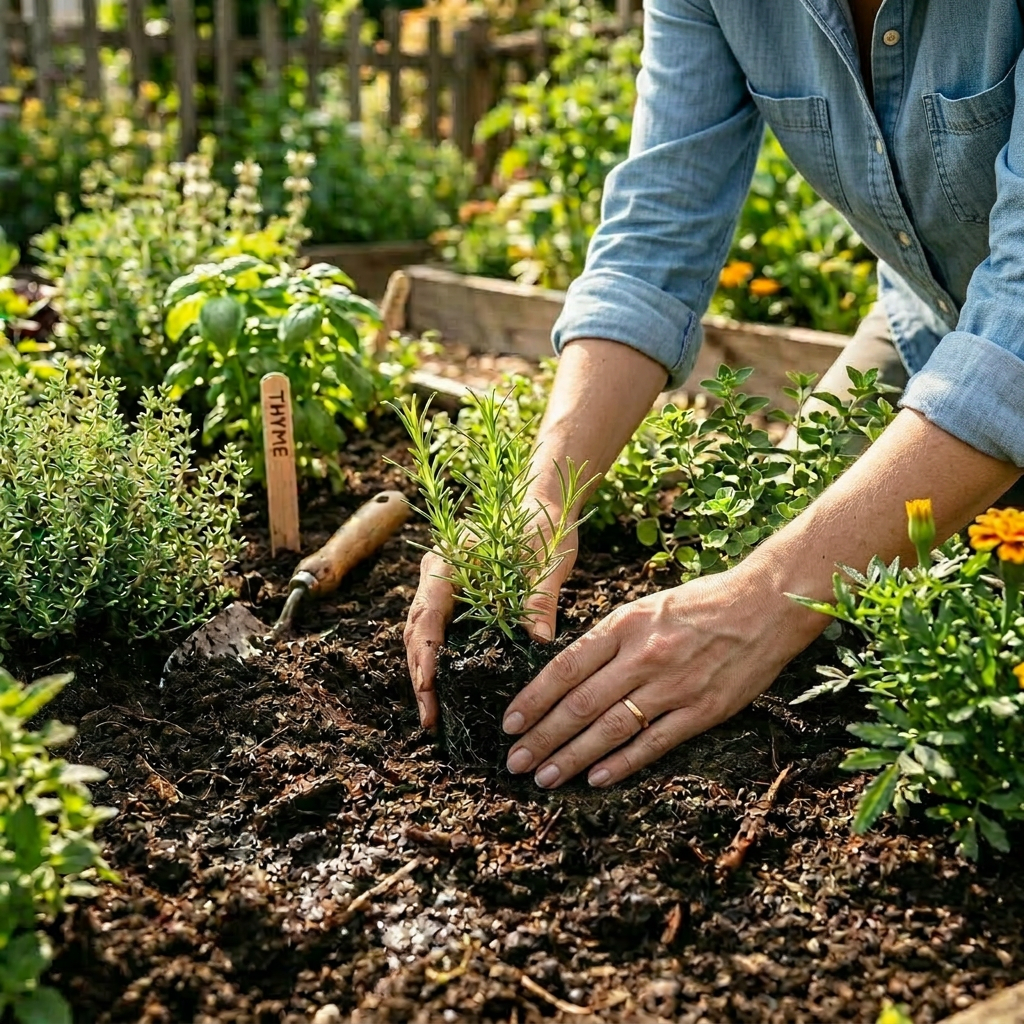
I am not Gen Z. I did not discover cottagecore because the hustle culture finally broke me during lockdown. I chose this life because I fell in love—with a person, with a pace, with a vision of days that felt like poetry instead of performance.
While the world was collectively reevaluating during those strange years, my slower lifestyle was already taking root. The pandemic did not force my hand; it simply confirmed what my heart already knew. I did not want to optimize my life for maximum output. I wanted to nurture. To create a home that felt like an embrace. To build something sustainable not just for my bank account, but for my spirit.
There is profound strength in choosing the wooden spoon over the corner office. In trading stilettos for wool socks and well-worn boots. In measuring success by how many jars of jam line your pantry shelves instead of how many LinkedIn connections you have made.
This is not about cosplaying: romanticizing poverty or playing pretend farm. It is about reclaiming what actually makes us feel alive.
Cottagecore reminds us that caring— for a home, a garden, a partner, ourselves—is not weakness. It is the most radical act in a culture that tells us to outsource our softness.
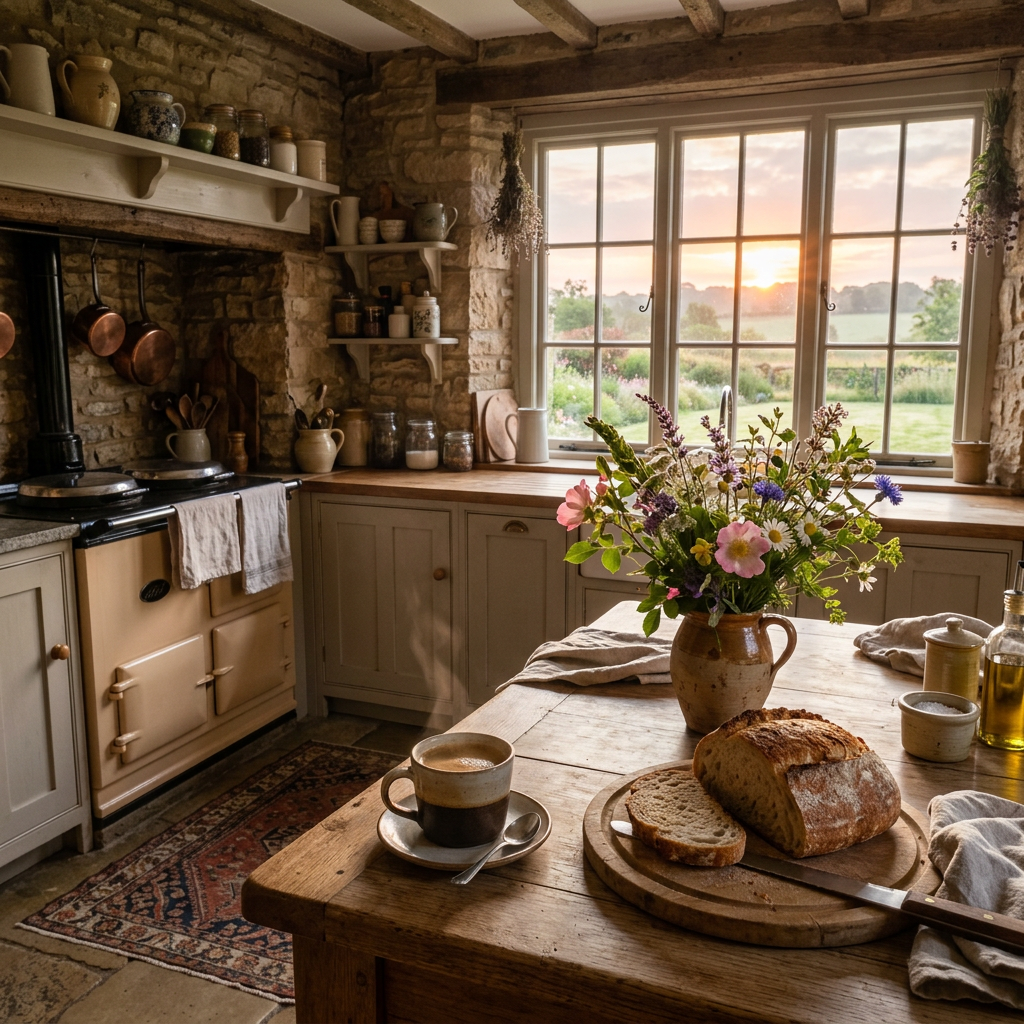
We were not built for constant performance. Our bodies and minds crave the slow turn of seasons, the satisfaction of self-sufficiency, the deep peace that comes from creating rather than consuming.
To every soul who feels the pull toward this softer path: you are not lazy. You are not failing at modern life. You are remembering something ancient and true.
Cottagecore is not an escape. It is a homecoming.