September is here. The calendar has flipped, the light is shifting, and the year has entered its most transitional stretch: still warm in many places, already carrying the first hints of autumn in others.
A new month is a clean page. It is also a reminder that most of what we actually do with time is continue the conversations we were already having. If we have been talking about routines, projects, travel, food, or how to start something again, September is a useful month to pick those threads back up instead of pretending we are starting from zero.
Labor Day weekend in the United States and Canada marks the unofficial close of summer. Schools reopen. The autumnal equinox arrives around the 22nd or 23rd, when day and night briefly balance. Around the world there are observances for literacy, peace, the ozone layer, and tourism. None of these dates require you to reinvent yourself. They simply give the month a rhythm.
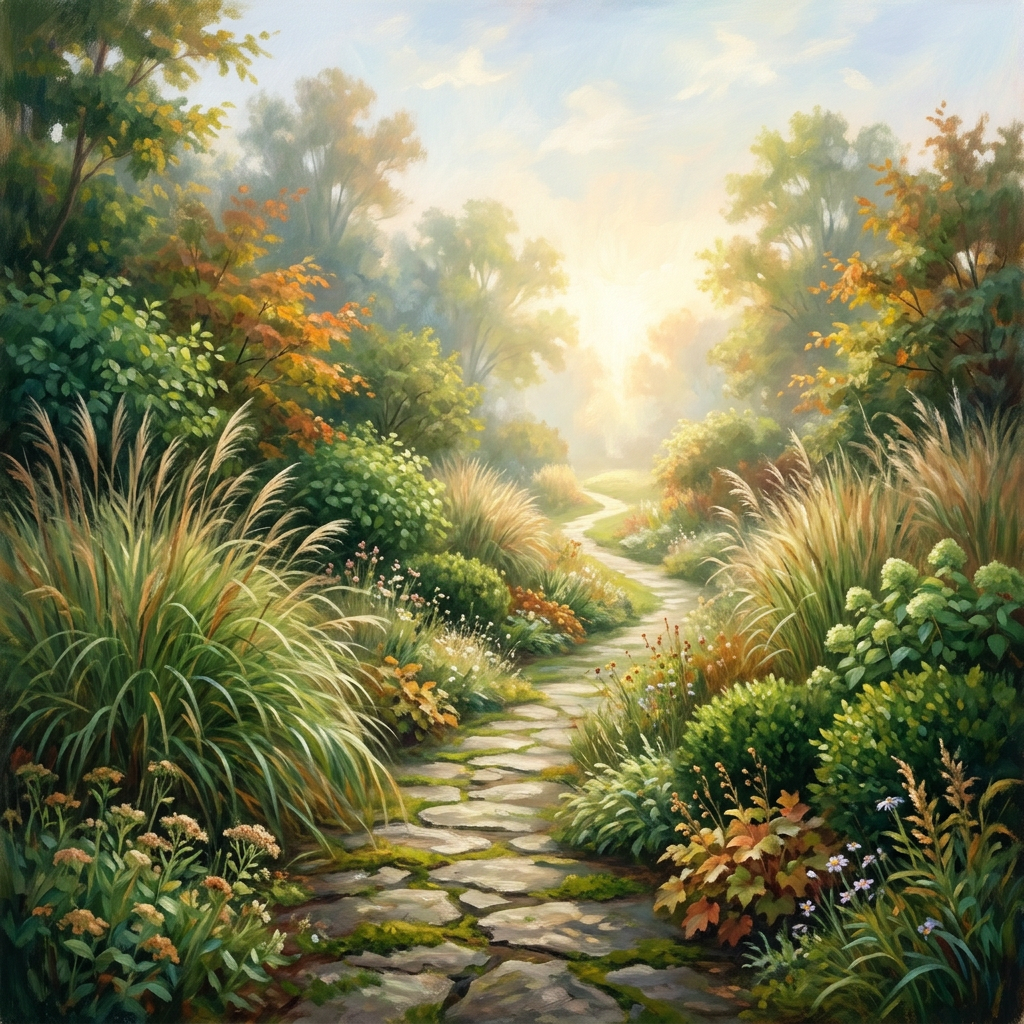
A sunlit stone path winds through lush grasses, flowers, and colorful autumn foliage.
The useful move is usually modest. Finish the half-done thing you mentioned last time you asked how to get unstuck. Try the recipe or the itinerary you were weighing. Adjust the schedule you were already trying to make work. September rewards continuation more than spectacle.
The days are still long enough to use. The evenings are starting to feel different as now when I get outside to write, my body covers itself in goose pimples. That is enough of a reason to treat the month as an invitation rather than a demand.
Welcome to September. Let’s keep going with whatever we were already working on.
In a world overflowing with noise, division, and endless hot takes, I made a deliberate choice to shape my X (formerly Twitter) experience around what truly matters to me. My entire account is now intentionally curated to reflect my personal beliefs and, above all, to center positivity.
A smartphone displaying ‘Calm & Connected’ held amid swirling fire and smoke effects
I want my feed to uplift, inspire, and align with the kind of life I am actively building—one rooted in growth, joy, healing, and possibility. That does not mean I live in a bubble or ignore reality. It simply means I am protective of my mental and emotional space.
Yes, I do follow a handful of accounts that could be described as strong Trump supporters—people who sometimes come across as riding the “Trump can do no wrong” wave. I am fully aware of the echo-chamber risk there. I approach them with the same healthy skepticism I apply to sports accounts, news outlets, or any single-source content. I do not take everything at face value, and I cross-reference when something feels off.
I am not on X primarily for political analysis or to debate policy. I am there to be inundated with feel-good positivity and reminders of the lifestyle I crave—wellness, personal development, meaningful connections, beauty, humor, and inspiration. Those accounts, even with their strong biases, often deliver bursts of optimism, patriotism, or motivational energy that resonate with the uplifting vibe I want more of.
At the end of the day, social media should serve you—not drain you, enrage you, or pull you into endless negativity loops. I have unfollowed, muted, and blocked enough accounts to create a space that feels like a warm, intentional garden rather than a battlefield.
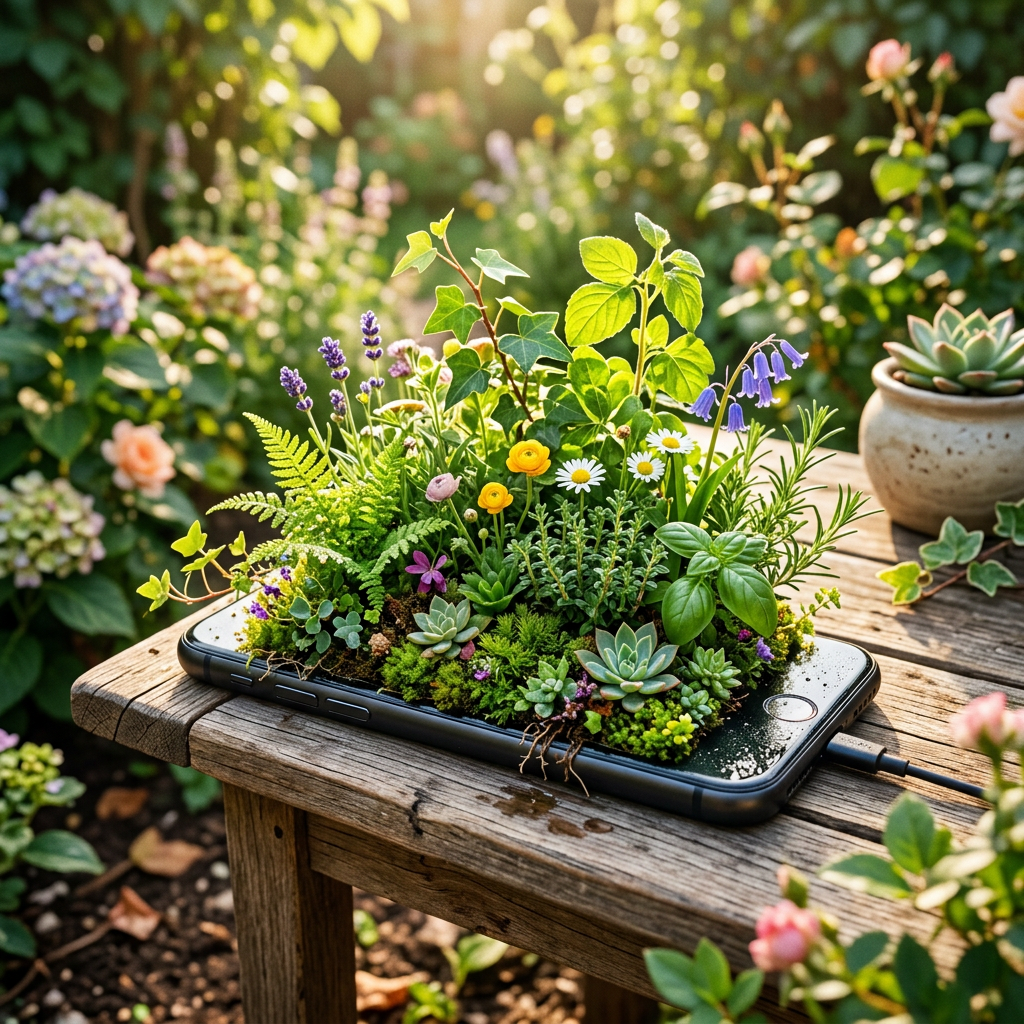
A smartphone displaying a vibrant mix of blooming garden plants and succulents
My feed is not perfect, and it is not meant to be a complete reflection of the world. It is a reflection of the world I am choosing to create for myself. One post, one follow, and one boundary at a time.
Some of my favorite social media follows are:
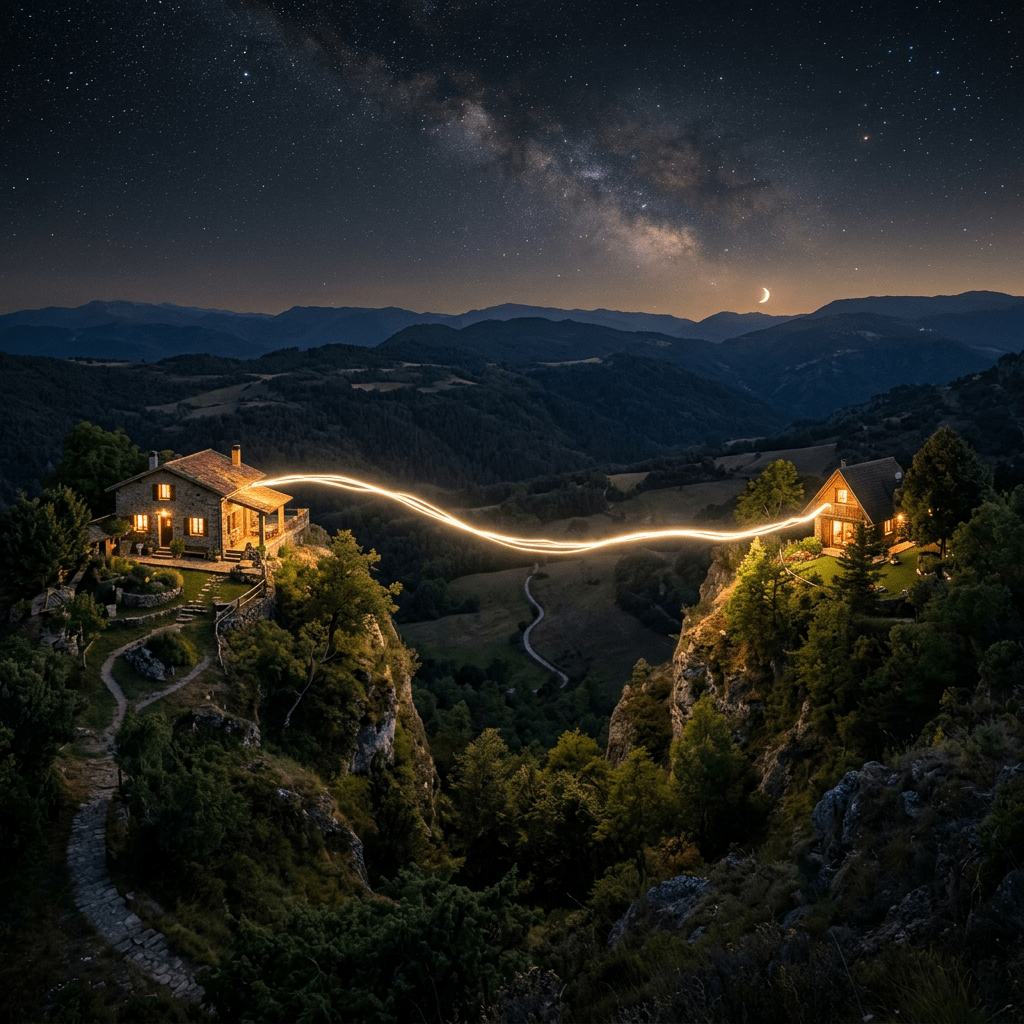
A hand holding a smartphone displaying an abstract swirling light pattern
@PeytonElroy : a wellness and spiritual healing-focused account with over 61,000 followers. Setting a consistent tone of optimism, empowerment, and alternative health perspectives, Peyton posts a mix of personal stories (especially her father’s recent stage 4 colon cancer “healing” journey). and practical health tips (e.g., hibiscus tea for inflammation, dates for heart rhythm stabilization via potassium, broccoli sprouts, blueberries, soursop). I particularly love the spiritual/energy concepts (auras, emotional states influencing physical health, colors affecting energy, the idea that everyone is inherently “spiritual”) and relationship/life advice (e.g., how to stand out when approaching beautiful women by complimenting non-physical traits).The tone is warm, encouraging, and emoji-heavy (lots of hearts, flowers, and green tones). Posts often include disclaimers like “I’m not claiming this cures cancer alone” while sharing strong opinions and anecdotes. Recent content has leaned heavily into cancer discussions—viewing it as inflammation, potentially linked to parasites or trauma, with emphasis on mindset, diet, and natural compounds rather than fear-based conventional narratives (my own personal belief).
@mtnhousewife (Mountain Housewife🏠) is a Christian homemaking and traditional marriage account run by a 41-year-old wife, mother, grandmother (“mimi”), and homemaker. Her posts promote biblical womanhood, wifely submission, contentment, and practical homemaking. Key themes include: Covenant marriage — Long-term harmony through scriptural roles (e.g., she highlights 42 years of marriage with “no conflict” due to submission as taught in scripture), Christian living — Bible study reflections (e.g., Philippians on contentment), faith encouragement, and church life, Homemaking — Simple recipes and tips (e.g., okra dishes, pimiento cheese). The tone is gentle, grateful, and encouraging, aimed at women seeking traditional roles. She emphasizes joy in submission, building a happy home, and living out a wife’s calling according to Christian principles. Content mixes personal testimony, scripture, practical advice, and light community interaction.
Maneesha (@ManeeshaSem) is a popular writer, content creator, and self-described “moonbathing apsarā” (celestial nymph) on X, with over 71,000 followers. @maneeshasem has built a significant following through poetic, feminine, and spiritually infused posts that emphasize beauty, serenity, nervous system regulation, self-love, and creating “paradise on Earth.” Her content blends mysticism, aesthetics, wellness, and gentle life philosophy, often evoking softness, harmony, and divine femininity. She frequently shares visions of serene villas, lush nature, silk robes, self-care rituals (e.g., affirmations, chocolate-covered strawberries, vanilla chai), intentional beauty, and protective auras created by harmonious environments. @maneeshasem posts focus on holding calm energy, avoiding urgency/dysregulation, beauty as spiritual protection, and aligning with cosmic/natural rhythms.
@wolffdew (The Cooking Lady) is a Danish 22-year-old homemaker and from-scratch cooking content creator on X.She shares homemade recipes, cooking videos/processes, meal ideas, and everyday kitchen content with a warm, enthusiastic style. Posts often feature scratch cooking, traditional or comforting dishes, and personal touches as a young married woman. She promotes her two digital cookbooks directly in her bio. The account appeals to fans of simple, authentic home cooking, Scandinavian influences, and lifestyle content from a Gen Z homemaker perspective. It’s positive, food-focused, and interactive, with frequent replies to followers.
@amandaperera (Cleopatra 🪷 ✞) is a faith-centered self-improvement and relationship advice account on X with a strong emphasis on personal growth, emotional intelligence, and Christian values. The account mixes inspirational quotes, relationship insights, personal reflections, and calls to subscribe to her newsletter or book 1:1 sessions. It appeals to audiences interested in faith-based personal development, neuroscience-informed emotional health, and mature views on love and identity. Content is positive, relational, and growth-oriented rather than purely dating-strategy focused.This account is warm, empowering, and reflective. Posts often explore:
Healthy relationships and love dynamics (e.g., references to Yellowstone’s Rip and Beth as an ideal of a strong man supporting a fiery, intelligent woman; the importance of entering relationships as a “whole” person rather than seeking fulfillment from a partner).
Self-acceptance, authenticity, and resilience (e.g., disagreement as a sign of staying true to yourself; embracing your “weird” side).
Faith-first mindset (“Jesus first always”), emotional wholeness, and devotional partnership.al advice, and light community interaction.
@TrinaNuance (Trina Nuance || The Fractional Muse 🌿🌞🌊) is slightly different than my other follows. She is thoughtful writer, coach, and strategist with a philosophical, introspective style focused on personal growth, mindset, entrepreneurship, and human behavior. Trina shares long-form reflections, threads, and insights on: Self-awareness & transformation — Dark night of the soul, breaking self-sabotaging cycles, shifting from external to internal locus of control, and authoring new self-fulfilling prophecies., Parasocial relationships, narrative-building, perception biases, and cultural shifts (e.g., craving analog experiences like handwritten letters). Her tone is wise, empathetic, and nuanced — often weaving personal experience, client stories, and cultural observations. She positions herself as a bridge between worlds (e.g., founders building in the dark, inner work vs. business goals) with a creative, almost poetic voice. Content resonates with introspective entrepreneurs, creators, and those on personal development journeys. It is more reflective/strategic than purely motivational or tactical.
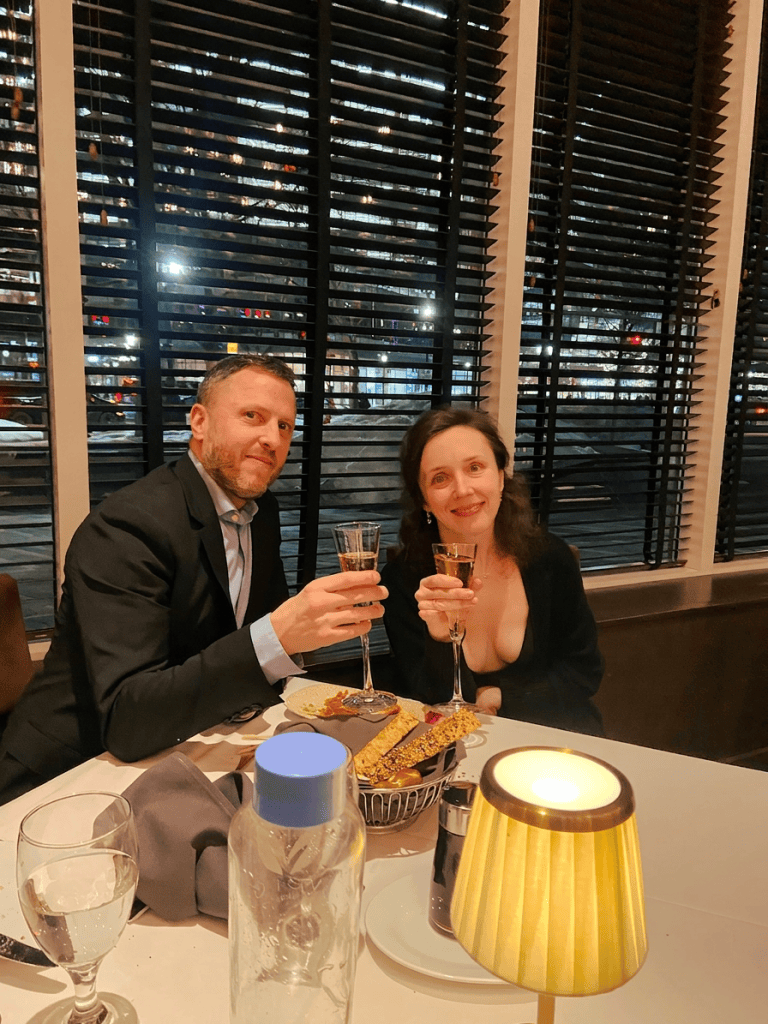
The wellness industrial complex has it wrong. While everyone else is out here microdosing mushrooms and journaling their feelings, my boyfriend and I have discovered the ancient, time-tested secret to actually enjoying this ridiculous existence: popping bottles like the world owes us a party. And it kind of does.
Every single time we get to steal a few days together in this soul-crushing timeline, we treat it like the main event (I still remember how loudly I celebrated when he uncorked our first bottle!) Not “date night.” Not “quality time.” A full-blown, no-apologies celebration. We live for collecting moments and creating memories.
Because if you are not celebrating the fact that you both made it through another timeline without each other— does anything really matter?
I had to personally educate my man on the sacred hierarchy of bubbles. Champagne is not just “fancy sparkling wine.” It is the French aristocrat with a protected designation of origin. The bubbles were originally an accident as the fermentation process caused stored wines to explode, delivering that signature toasty, brioche-y complexity and those aggressive, fine bubbles that taste much more superior than synthetically created ones. Prosecco is the fun, flirty Italian cousin — brighter, fruitier, cheaper, and happy to show up to literally any occasion without an attitude. And then there is generic sparkling wine, the chaotic neutral workhorse that gets the job done when the good stuff is sold out or you are feeling budget-conscious.
We now exclusively order and stock the goods. Delivery drivers, grocery stores, bars or restaurants we are forever part of some elite sparkling wine cartel. No more settling. Life is too short for mid bubbles.
And yes — my boyfriend occasionally does shots with my father. Because bonding. Because tradition. Because nothing forges that sacred father-in-law/son-in-law alliance quite like grimacing through a round of vodka while pretending they are not both slightly terrified of each other. I sit back with my drink and watch these two grown men bond over the universal language of “let’s burn our throats and talk about Trump so we don’t have to talk about feelings.” It is disgusting. It is wholesome. It is peak masculinity.
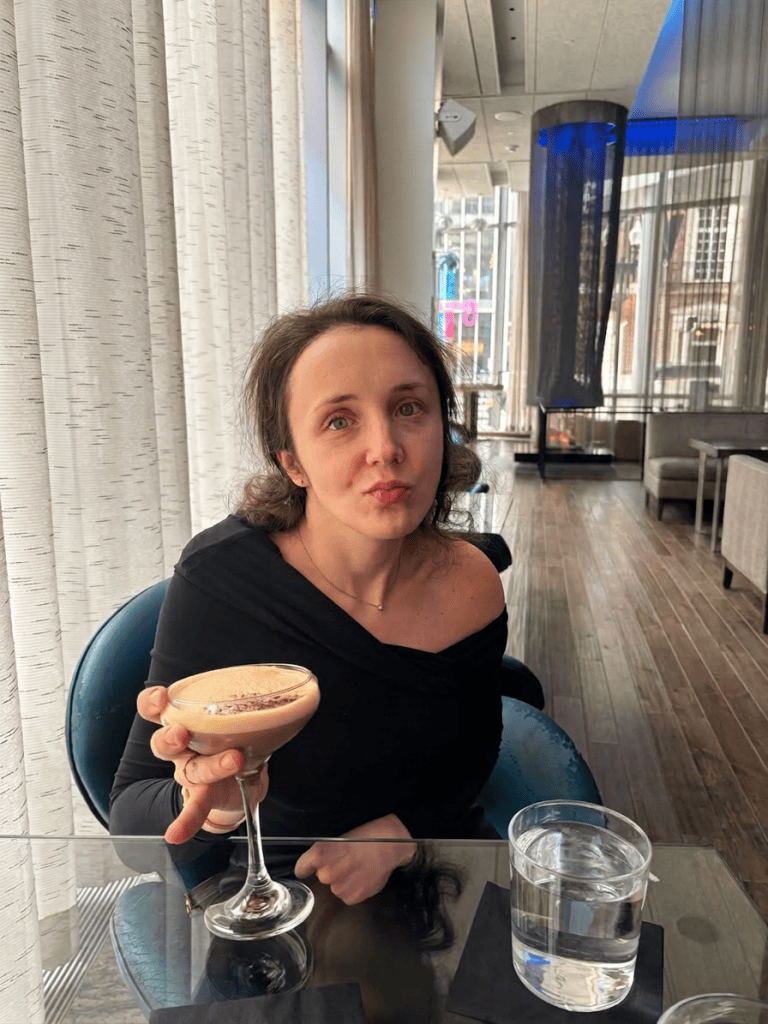
I on the other hand am a disciplined one-espresso-martini woman. That perfect, caffeinated, slightly dangerous little monster in a martini glass. One is elegant. The rest of the drinks are for celebration purposes only.
This is what the sobriety police failed to understand: drinking is how we weaponize joy against the void. Why would I care if alcohol prematurely ages my cells when my man is forever babying me and making my life silly, fun and easy? It pushes us to create more memories and experiences.
It turns ordinary moments into legendary ones. That random dinner I made becomes “the night we popped the good bottle and laughed until we cried.”
It lowers the volume on the noise. The anxiety of not being together, the overthinking, the endless mental tabs open in my brain — alcohol (and him) is the world’s most reliable (if imperfect) volume knob.
It creates actual memories instead of just content. Sobriety is great for optimization. But you know what is better? Happiness. Celebrating that happy moment is great for living a story worth telling.
It is rebellion in a glass. Every time you choose celebration over optimization, you are flipping off the wellness grifters— your sleep scores and your hormone levels do not provide a full picture of how your life is going to go.
Two people clink champagne glasses on a terrace overlooking a coastal sunset town.
Life is already one giant, absurd, painful, hilarious win just by virtue of you still being here. The universe is actively trying to humble you every single day. Might as well humble it back with some bubbles and bad decisions that turn into good stories.
So yeah. We drink. We celebrate. We treat every shared hour like it is New Year’s Eve because the alternative is pretending this is all very serious and we should be optimizing our sleep scores instead of making questionable choices with each other.
A champagne bottle is popped open, spraying bubbly foam at a festive gathering.
Pop it. Live a little. The sober police will still be there tomorrow, miserable and well-rested.
I love the Summer time— and I really love celebrating. Summer solstice is my ideal. It is finally here — the longest day of the year, the sun’s victory lap, and the official middle finger to cold, dark, depressive days. My favorite goal for me and my man is to be out here treating it like the whimsical rave it was always meant to be.
In ancient history, midsummer (the celebration of the summer season) was dedicated to Pagan gods, fertility, crops etc. but I do not see why we should not be celebrating the solstice in the religious sense (thanking God’s/the Universe’s creation).
I am talking quiet little picnics with iced drinks and polite conversation. I also want bonfires that scare the neighbors. I want to stay up until the sky finally gives up and turns dark (which, thanks to the solstice, feels like never). I want to chase the last rays of sunlight. Because this is the one day the universe hands us maximum daylight and says, “Go be reckless, animals.”
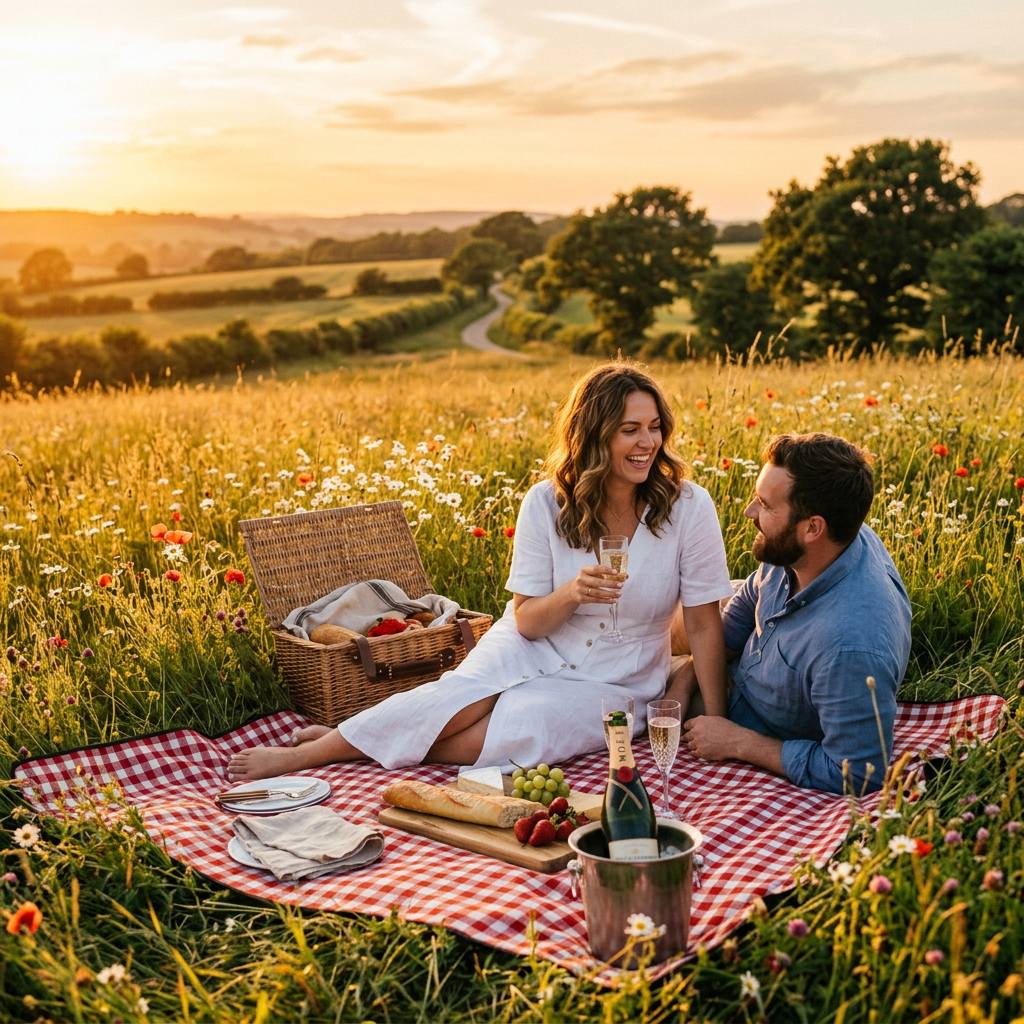
A couple enjoys a sunset picnic in a vibrant wildflower meadow
Ancient cultures got it right. They lit massive fires, danced until they dropped, mated in the fields, and basically celebrated the sun. Modern life turned it into “wear white linen and drink rosé on a rooftop.” Cute. But weak. I am here for the chaos edition.
We start at sunrise like lunatics who respect the assignment. (Iced) coffee, loud music, minimal clothing. We drag ourselves outside because the sun is literally showing off and we are not wasting a single golden hour. Then it is beach, lake, rooftop, forest — anywhere the light hits hardest.
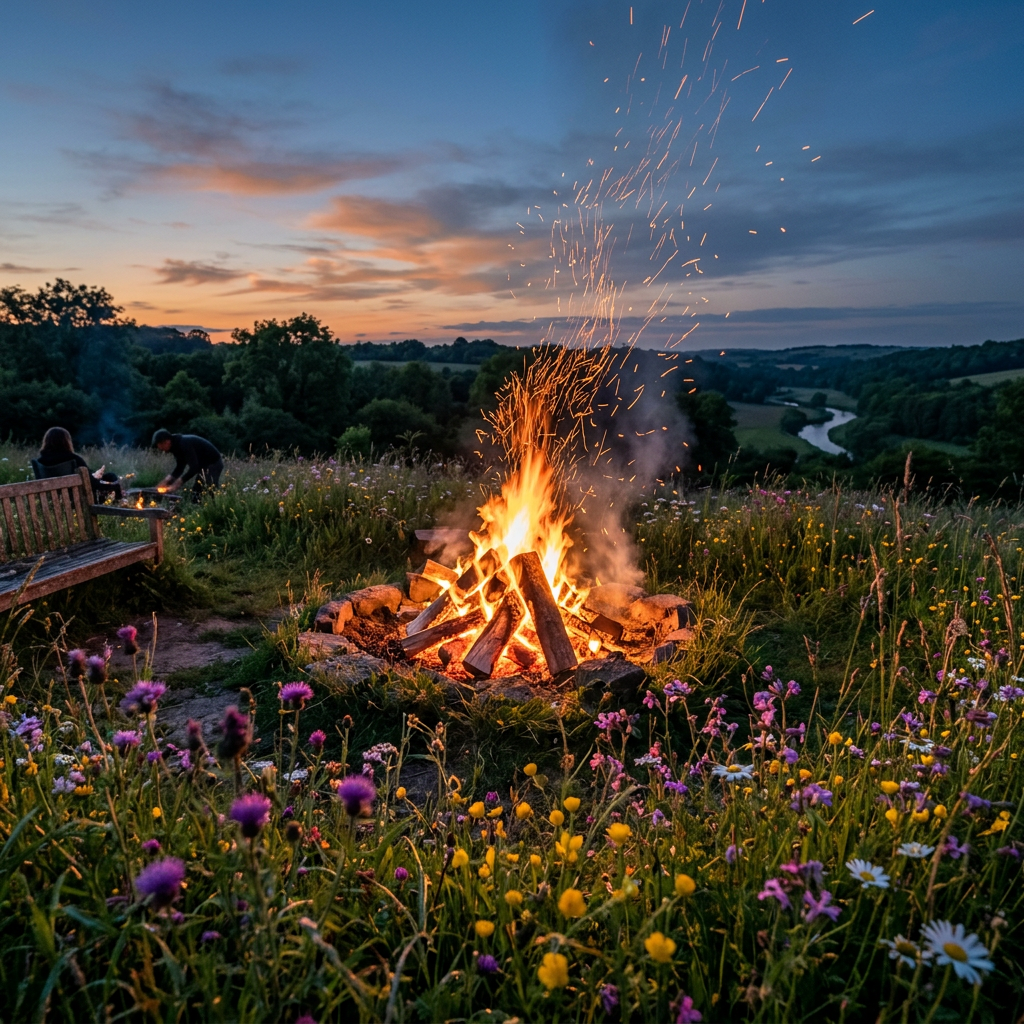
A glowing bonfire lights up a colorful meadow at dusk with people nearby
We eat: grilled everything, fresh fruit that drips down your arm, cold wine or champagne because yes, we are always on that bottle-a-night agenda.
At night? Bonfire mandatory. Even if it is a little fire pit in the backyard, I want my Americana s’more snack. Throw in some herbs, some music that makes your ancestors proud, and dance like the veil between worlds is thin (because on solstice it kinda is). Light sparklers. Howl at the sky. Jump over the flames if you are brave enough. Make out like teenagers because the sun blessed the whole day (and season).
Life is mostly gray office lighting and existential dread. The summer solstice is one of the few times the planet throws us a proper party. The sun is at its strongest, the earth is fertile, and everything feels electric. Do not spend it folding laundry or doing the mundane.
Get outside. Get loud. Get a little unhinged. Burn something. Fuck someone. Worship the light while it lasts because in six months we will be back in the void, writing about seasonal depression.
This is our peak. Our longest day. Our reminder that even in this clown timeline, the sun still shows up and cooks the planet just to watch us thrive.
So celebrate like you mean it.
Strip down. Heat up. Light it up.
Happy solstice (I am waiting to properly celebrate with him).
See you at the bonfire. Bring champagne.
A radiant sun surrounded by glowing floral motifs in a cosmic background
It is easy to overlook the quiet “miracles” that surround us every single day. Yet one of the most profound truths about human fulfillment—and about creating even more goodness in our lives—is this: It is vital to be thankful for everything that is good in your life.
Gratitude has become an overused buzzword. Gratitude is not just a polite “thank you” or a fleeting warm feeling. It is a deliberate, heart-centered practice that shifts your entire energy, perspective, and ultimately, your reality. We all know, on some level, that we should not take the basics for granted. Running water that flows clean and hot at the turn of a tap. Reliable heating that keeps your home cozy when winter bites (this is uber important to my constantly freezing body!). A solid roof overhead that shields you from rain, wind, and the elements. Yet for many of us, these “luxuries” become background noise.
The same goes for the people in our lives. Friends and family. My family—especially—have shown up, even imperfectly. I am beyond grateful that I was not tossed out when I became needy and helpless. Typically, we appreciate them in moments of crisis or celebration, but how often do we pause in ordinary moments to truly feel the gift of our family’s presence?
Here is where the magic happens. Casual appreciation is nice, but to bring about more in our lives, we need to feel truly grateful for everything and everyone—not just the obvious blessings, but the small, the mundane, and even the challenging things that shape us.
Think about it. When you wake up and genuinely feel thankful for the bed that held you through the night, the air filling your lungs, the sunlight (or even the rain) outside your window, something inside you softens and expands. Your nervous system calms. Your mind clears. Opportunities that once hid in plain sight suddenly become visible. Psychologists call this the “broaden-and-build” theory: positive emotions like gratitude widen our awareness and help us build resources—relationships, skills, resilience—for the future.
On a more spiritual or energetic level, many traditions and modern manifestation teachings emphasize that what you appreciate appreciates. Gratitude acts like a magnet. When you radiate sincere thanks for what you already have, you signal to the universe that you are a good steward of blessings. You are ready for more. Contrast this with the scarcity mindset: constant wanting, complaining, or comparing. That energy tends to keep us stuck exactly where we are, focused on lack.
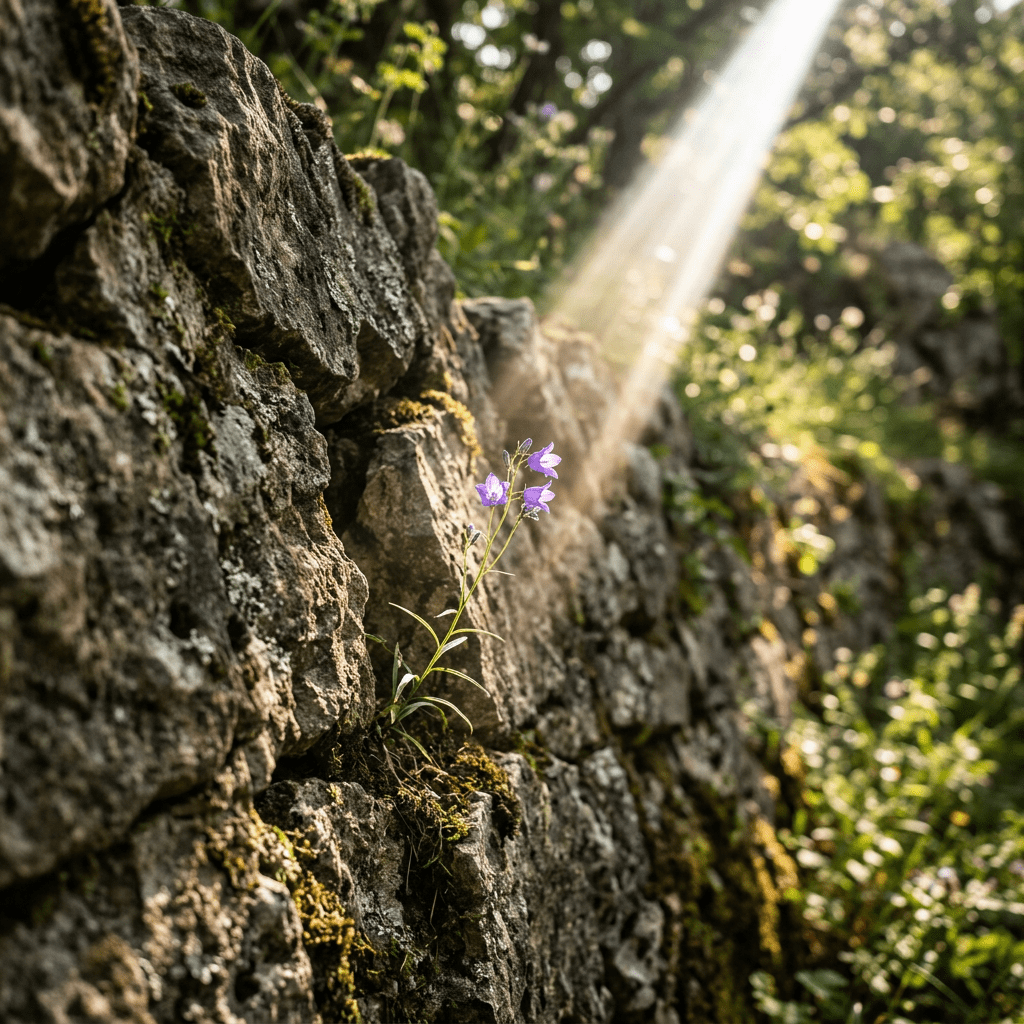
A delicate purple wildflower blooms from a crack in a mossy stone wall illuminated by sunlight
Even in hardship, gratitude works its alchemy. Being grateful for the quiet strength you discover in loss is something that I had to discover. These are not toxic positivity exercises—they are honest acknowledgments that every experience contains seeds of growth.
Turning gratitude into a life-changing habit does not require hours of your day. Ask, “What is this situation trying to teach me?” Then thank it in advance for the wisdom or strength it will bring.Bookend your day with gratitude. Start with thanks for the day ahead and end with thanks for what unfolded.
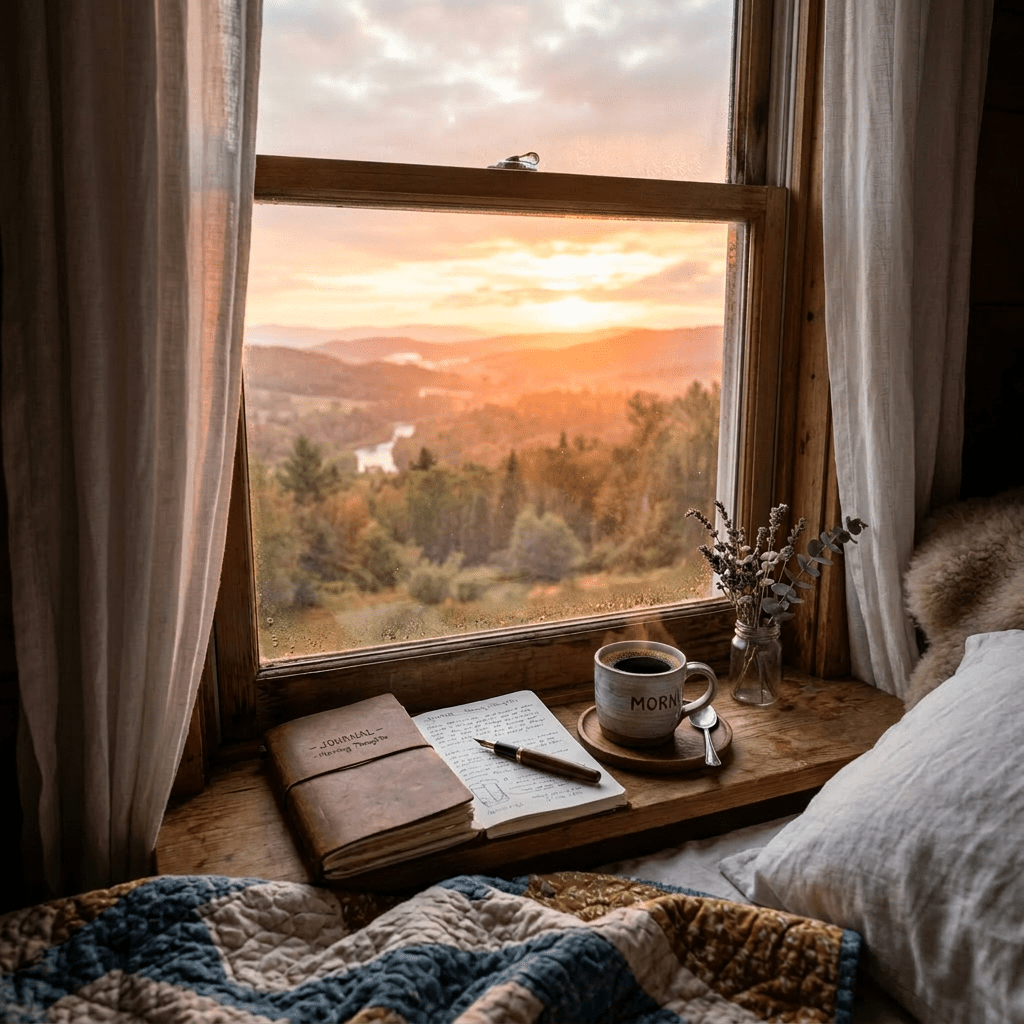
A peaceful morning scene with a journal, coffee, and sunrise view
When you embody this level of gratitude, life responds. Relationships deepen because people feel genuinely valued. Health improves as stress decreases and joy increases. Abundance flows—at least in steady, meaningful ways: unexpected help, creative ideas, synchronicities, and a profound sense of “enough” that paradoxically opens the door to more.
So today, pause. Look around. Feel the chair supporting you, the device in your hands bringing these words, the breath moving through you. Say thank you—and really mean it. For the basics. For the people. For the lessons. For everything.
He is the prize at the end of the journey. To fully receive that gift and build the life I dream of with him, I have made my health non-negotiable. Nutrition is not just a hobby for me; it is something I can wax poetic about for hours with genuine excitement. I have explored it all — from the MAHA movement (seed oils, fluoride, ultra-processed additives, and all the hidden toxins) to Ray Peat’s principles and everything in between. I have lived the experiments myself: vegan, gluten-free, paleo, keto. I have been underweight and overweight. Through trial and error, I have learned what truly makes the body and mind thrive.
A glowing, multicolored heart-shaped swirl glimmers vividly in space.
A brain injury years ago left me with some lasting effects I can be self-conscious about. It does not stop me from loving deeply or building a lasting relationship— as seen in my current form attracting him (thankfully, the “disability” does not seem to bother him at all), but I still carry that quiet desire to show up as my strongest, healthiest self. I want to move through life with ease — for me, and especially for him.
Currently. Wifely duties from afar.
Because more than anything, I long to be his perfect little housewife. I can already manage it beautifully with one hand, but two steady hands would let me pour even more love into our home. And yes — almost every girl dreams of the aisle. So I am committed to walking strong, not just so I can hold his hand while we stroll down the street or along the beach, but so I can walk down that damn aisle toward him, radiant and ready for forever.
At fifteen years old, I stepped off a plane into a world that felt like it had leaped straight out of a National Geographic. The air was warmer, drier, and carried the faint scent of eucalyptus. I was part of the People to People Ambassador Program, a life-changing opportunity that took a group of wide-eyed American teens halfway around the globe to Australia. What started as a simple cultural exchange trip quickly became a whirlwind of big-city glamour, rugged outback exploration, family-style homestays, and the kind of teenage chaos that only happens when you are far from home and the usual rules do not quite apply (the innocent kind though, not really what we see on teenager television shows).
Our itinerary was perfectly balanced between urban sophistication and raw Australian wilderness. We bounced between the gleaming harbors of Sydney and Melbourne and endless stretches of red earth in the outback. Long bus rides became our moving classrooms—hours spent watching the landscape shift from bustling streets to golden grasslands. We stayed with local families who opened their homes (and hearts) to us, sharing meals, stories, and glimpses into everyday Aussie life that no guidebook could ever capture.
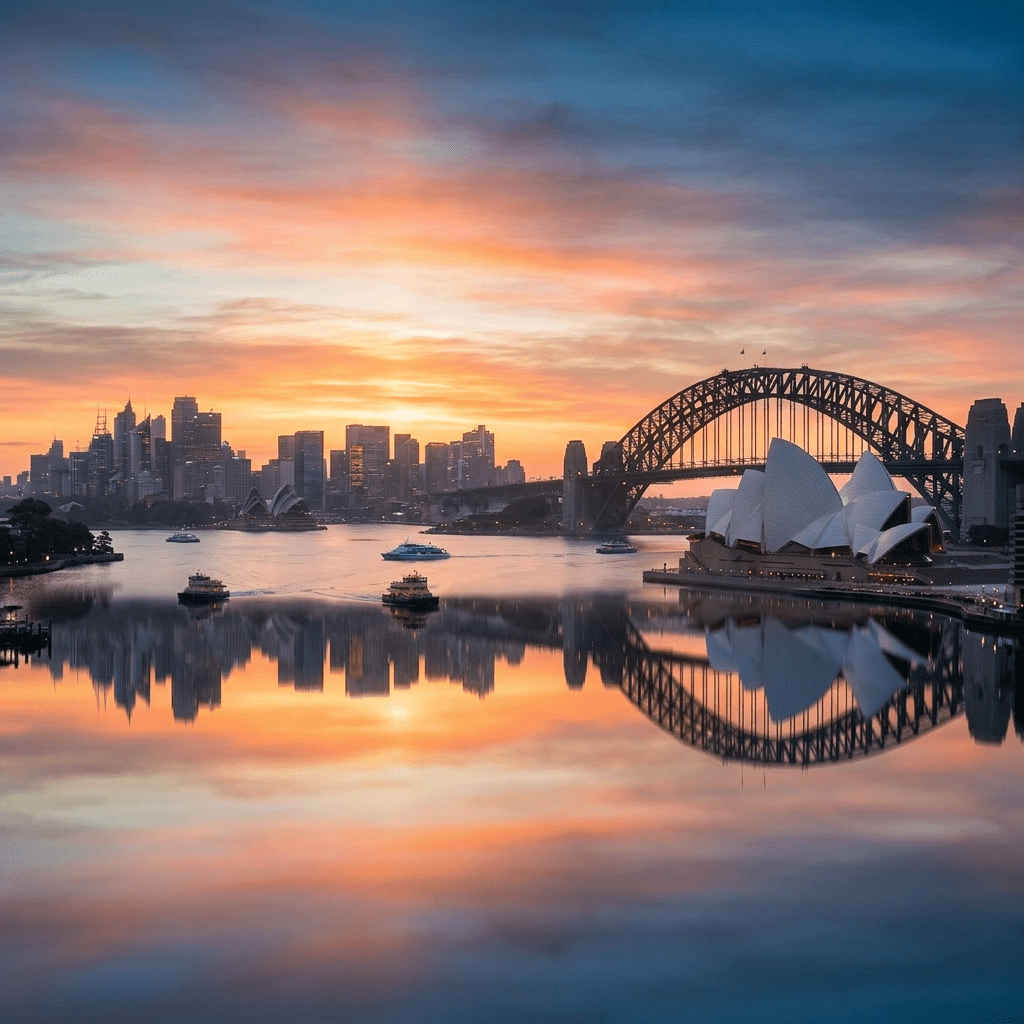
Sydney hit me like a fever dream. The iconic Opera House rose like white sails against the sparkling harbor, its curves even more breathtaking in person than in any photo I had seen. We toured the Olympic facilities from the 2000 Games, walking through stadiums that once echoed with global cheers. I remember standing there, imagining the roar of the crowd, feeling tiny yet somehow part of something enormous.
But beneath the excitement, I carried a heavy secret. This was the year after I started high school, and the pressure to look and be “perfect” had already taken root in my mind. Australia felt like the ultimate reset button—a chance to reinvent myself far from judgmental eyes back home. Before the trip even began, I emailed the volunteer chaperones with a carefully worded note: I would not be eating much, and they should not worry about me. Looking back now, it breaks my heart to think of that determined, insecure fifteen-year-old girl trying so hard to control the one thing she could in a brand-new country.
On those long bus rides, packed lunches were handed out like clockwork—sandwiches thick with deli meats, crisp chips, and sweet treats. I would politely unwrap mine, eat only the apple, and quietly put the rest aside. The volunteers were kind, but I could feel their concerned glances. During our homestay in Melbourne, the warm “mom” of the house cooked a hearty Australian meal just for us. I pushed the plate away after a few bites, murmuring something about being full. Her disappointed but understanding look still lingers with me. Food became both enemy and background noise while the real adventure swirled around me.
Of course, no trip at fifteen would be complete without plenty of youthful mischief. I flirted shamelessly with the boys in our group—stolen glances across bus aisles, whispered jokes during tours, and that electric buzz of first crushes amplified by the freedom of being overseas.
The Australian sun, however, showed no mercy. Wanting to be perfect meant that I wanted golden skin. I ended up severely sunburned. My skin turned lobster-red, peeling in painful sheets for days. Lesson learned: respect the ozone hole Down Under.
One of my biggest hurdles was begging my mother—via crackly payphone calls from a random shopping mall —to let me get my belly button pierced. I pleaded, I reasoned, I dramatically described how “everyone” was doing it. She held firm.
Instead, I settled for a temporary tattoo from a quirky shop near the harbor. It was some butterfly design that I proudly showed off to the group. When I got home, I let everyone believe it was real, basking in the temporary cool factor before it faded in the shower. Small rebellions, big memories.
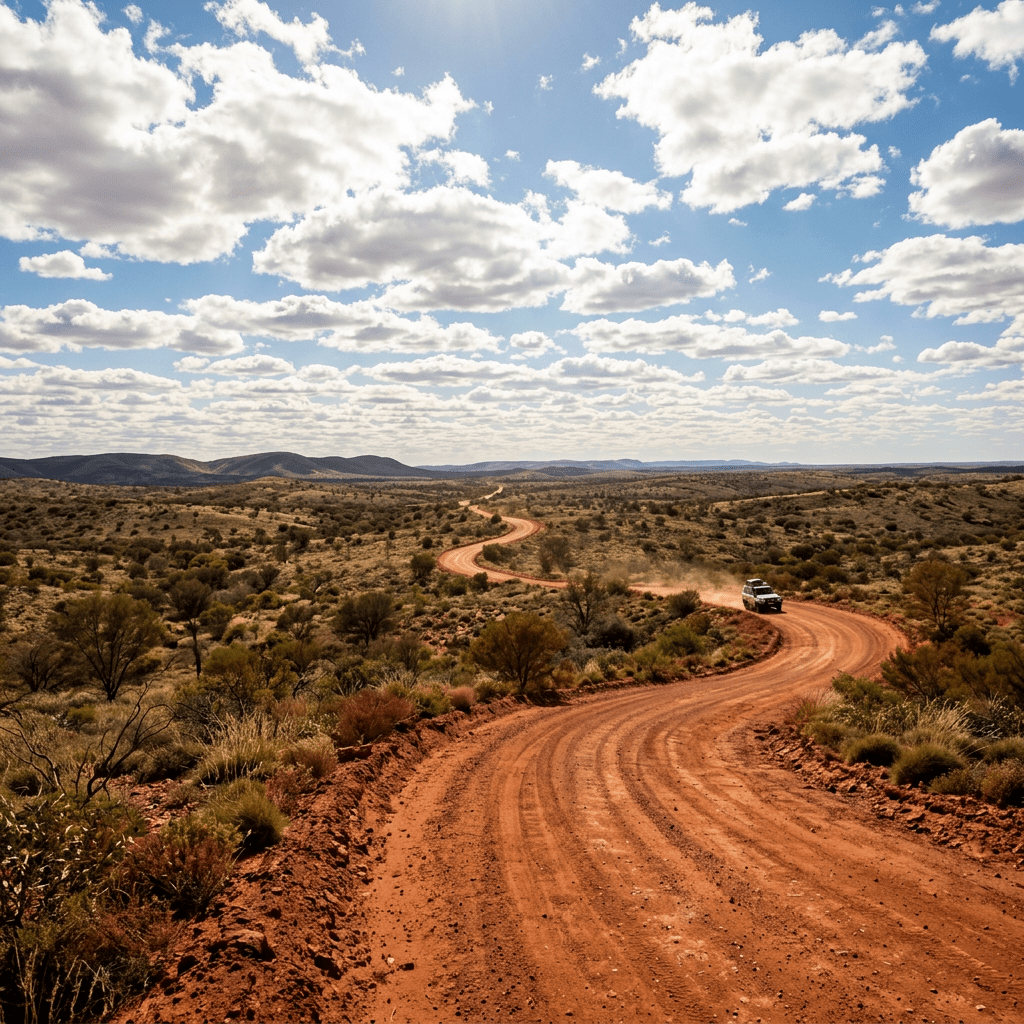
The real soul of the trip was during our long bus tours through the outback. The landscape stretched endlessly—red dirt, scrubby bushes, and skies so vast they made you feel wonderfully insignificant. We learned about Aboriginal culture, their deep connection to the land, and the stories passed down through oldtime legends.
A vehicle traverses a winding red dirt road through arid outback terrain under a partly cloudy sky
One unforgettable stop was a wildlife sanctuary where I finally got to hold a tiny koala. He was everything I imagined: fluffy gray fur, button eyes, and a sleepy demeanor (apparently they are constantly high from eating the eucalyptus). I beamed for the camera, arms gently cradling him. But internally? I was screaming. Those adorable little claws dug into my arm like tiny needles. Sharp did not even begin to describe it. Still, worth every scratch for that photo and the story.
We spotted kangaroos hopping freely in the wild—elegant, powerful creatures that seemed to defy gravity. At the sanctuary, we got closer, feeding them and watching their curious faces up close. Later, in a remote outback experience hosted by Aboriginal elders, we were treated to kangaroo tail. It was an honor to share in their traditional food. The tail was tough, mostly dense muscle with very little fat or tenderness—chewy, gamey, and completely unlike anything I had eaten before. It was not about gourmet flavor; it was about connection, respect, and tasting a piece of the land itself.
That trip to Australia did not magically fix my insecurities around food and body image. Those battles continued for years as I eventually got down to double digits on the bathroom scale. But it planted seeds of perspective. I saw a country that was both modern and ancient, vibrant and harsh, welcoming and wild. I learned that adventures are messy—full of sunburns, awkward flirtations, hidden struggles, and moments of pure wonder.
Holding that koala, even through the pain, symbolized something bigger: sometimes the cutest, most picture-perfect experiences are actually concealing something painful. Pushing away plates did make me feel more in control; but it also made me miss out on shared meals and hospitality. The temporary tattoo washed off, but the memories never did.
Years later, I look back on that fifteen-year-old girl with compassion. She was brave enough to travel across the world, curious enough to embrace new cultures, and human enough to make mistakes. Australia taught me that life is best experienced fully—sunburns, sharp claws, kangaroo tail, and all.
If you ever get the chance to say yes to an adventure that scares and excites you, justdo it (like Nike!). Whether it is Australia or somewhere closer to home, the outback of your own growth is waiting.
Remember when getting a bra that actually fit felt like a sacred, slightly humiliating pilgrimage? We would trek to the mall, hearts pounding, ready to surrender our bare chests to a stranger armed with nothing but a measuring tape and a clipboard. Victoria’s Secret was not just a store—it was a temple. And the goddess was that perfectly coiffed sales associate with the tape dangling around her neck.
You would stand there in a tiny fitting room that smelled faintly of vanilla candles and desperation, arms raised while she poked, prodded, lifted, and adjusted. “Okay, honey, breathe out… now inhale… A cup? Or is that a B on a heavy day?” Brassiere itself sounds like industrial equipment. We endured it all for the promise of “lift and separation,” for the illusion of perfect, perky cleavage that could launch a thousand thirsty glances in high school. We contorted our bodies, sucked in our stomachs, and prayed the underwire would make us look like a goddess instead of committing war crimes on our young teenage bodies.
Those were the days.
Fast-forward to now, and the entire ritual has collapsed. I do not even think most women under 36 could tell you their real bra size if you held a gun to their head. We have collectively ghosted the fitting rooms. The measuring tape is an old relic only used by the boys now. Victoria’s Secret angels? Still gorgeous, but we are no longer buying what they are selling—literally.
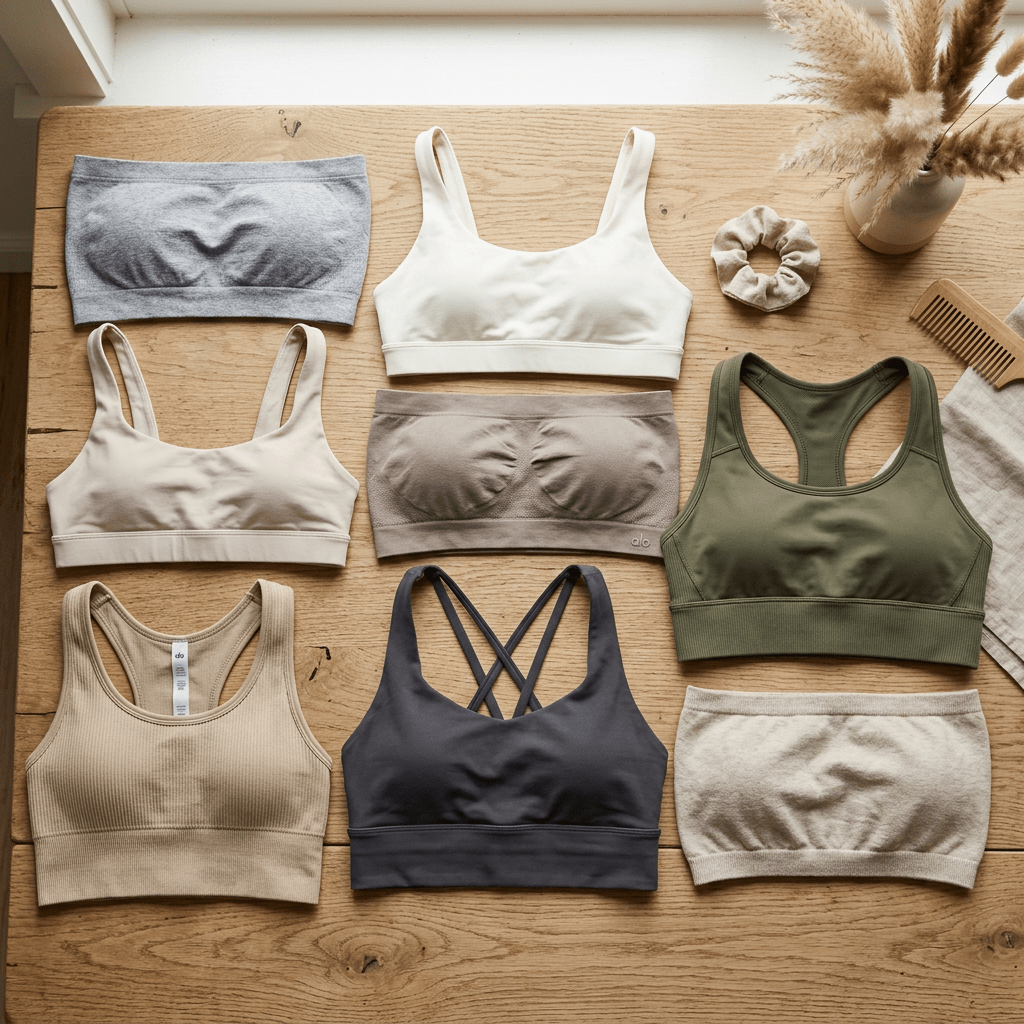
Instead, we are out here living our best soft-girl lives in cute little bandeaus, buttery-soft sports bras, and those barely-there bralettes that feel like a gentle hug from a cloud rather than a structural engineering project. No more wires digging into our ribs (I have a large ribcage!) like medieval torture devices. No more adjusting straps in public like a nervous tic. We are free-boobing it through Zoom calls, grocery runs, and yes, even date nights if the vibe is right (plus, my man enjoys my itty bittys).
Let’s be real—this shift is not just about laziness. It is a quiet revolution.
Society spent decades telling us our boobs needed to be contained, supported, weaponized. Push-up bras. Minimizer bras. Convertible bras with more hooks than a slasher film. We bought into the lie that comfort was secondary to looking “put together.” All for the boys to pay attention to us. That a proper lady had to have everything strapped down and presented like gift-wrapped perfection.
Then came the pandemic. Sweatpants became uniforms. Loungewear went mainstream. And suddenly, we realized something revolutionary: our boobs do not actually need constant structural support to be valid. They are not structural hazards waiting to collapse. They are just… there. Soft, warm, part of us. And when we stopped squeezing them into unnatural shapes for eight hours a day, the world did not end. In fact, it got better. For me, nothing changed whether there was a pandemic or not. So I was free- boobing before it was “cool”.
A woman enjoys a quiet morning reading a book in a sunlit bedroom.
We discovered the joy of the bandeau—that rebellious little tube top that says, “I’m cute, I’m comfy, and I’m not apologizing for jiggle.” Sports bras that handle actual movement without turning us into armored tanks. Wireless wonders that whisper sweet nothings like, “Girl, breathe.”
And let us talk about the knowledge gap. Ask a group of women their bra size today and watch the panic. “Umm… medium?Whatever fits” We have stopped obsessing over the numbers because the numbers were always a scam anyway. Bra sizing is notoriously inconsistent across brands. One store’s 32C is another’s 34B. It was all smoke, mirrors, and marketing.
Ditching the heavy-duty bra is not just about comfort. It also is about reclaiming ownership of our bodies in a world that has long tried to dictate their shape, size, and presentation. I personally prefer being on the Itty Bitty Titty Committee , but advertisements and media companies love to shove triple Ds and Sydney Sweeney in my face…
We are done performing for the male gaze with engineered cleavage. Done pretending that underwire equals empowerment. The free-boob movement—yes, I am calling it that—feels like the only level of body positivity I accept. It says: my breasts do not need to be edited, lifted, or minimized to be worthy.
Of course, not everyone is on board. Older women clutch their pearls. The fitness bros complain about the materials in said bras. Some days even I miss the old sculpted look, but mostly I love sliding into a soft bralette and feeling like my natural body is enough.
We traded poking and prodding for stretchy, breathable freedom. And I do not think we are going back.
So next time you catch yourself reaching for that lacy, restrictive contraption out of habit, ask yourself: Do I really need this? Or am I just performing femininity from 2007?
Throw on the bandeau. Rock the sports bra. Let them breathe.
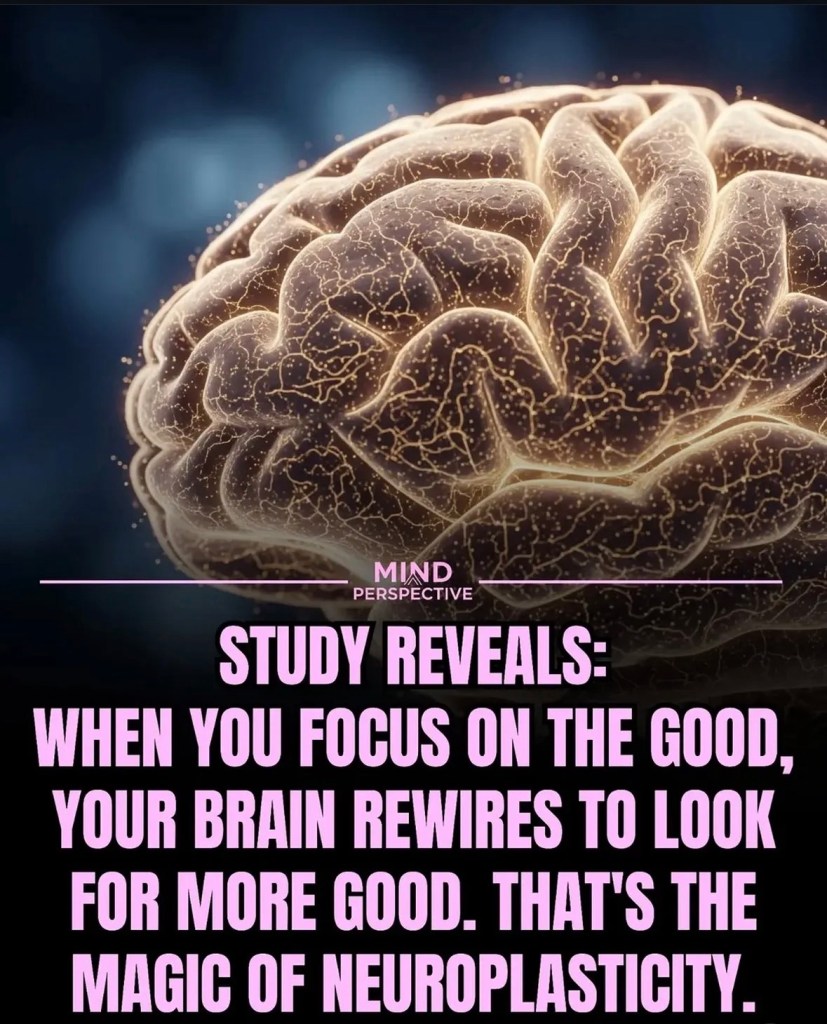
A positive mindset does not just make you feel fuzzy and motivated. It straight-up rewires your biology, dials down inflammation, cranks up your immune system, and turns everyday movement into fat-burning rocket fuel.
A negative mindset is slow-motion poison. It floods your veins with stress hormones, tanks your recovery, packs on visceral fat, and basically programs your body to break down faster.
This is no woo-woo Instagram spirituality. This is hard science meeting cold, hard reality. And yeah, I am saying it loud because I have lived the nightmare version.
I truly believe the reason I am sitting here in my current health status—in a wheelchair and the use of only one arm—is because for years I viewed myself and my life like absolute garbage. I woke up every day expecting the worst, replaying every failure on loop, and treating my body like it was already doomed. Surprise: it started acting doomed.
The Brutal Science: Your Brain Is Running the Show Whether You Like It or Not
Your thoughts are not cute little clouds floating in your head. They are chemical commands. Sugar coating this fact is keeping people sick.
Every time you think “I’m such a worthless piece of shit” or “Nothing ever works out for me,” your brain hits the panic button. Cortisol and adrenaline spike. Inflammation skyrockets. Your immune system gets told to stand down. Sleep quality tanks. Cravings for junk food go nuclear because your body is now in survival mode, hoarding energy (calories).
Chronic negative mindset is not“just stress.” It is a physiological wrecking ball [enter Miley Cyrus “Wrecking Ball”]. Studies show people who marinate in pessimism have higher rates of heart disease, slower wound healing, weaker immune responses, and even faster cellular aging. Your telomeres—the protective caps on your DNA—literally shorten faster when you are stuck in doom-scroll mode.
Flip it around, like a pancake: shift to a positive, resilient mindset and the opposite happens. Blood pressure drops. Recovery speeds up. You actually enjoy moving your body instead of dragging yourself through workouts like punishment. Inflammation cools off. Your gut stops revolting. Hell, even the placebo effect proves it—people who believe a sugar pill will fix them often get real, measurable improvements because their brain buys in and starts the repair work.
The nocebo effect is the evil twin: tell someone a harmless thing will make them sick and watch their body obey. Expectation is that powerful. Your mindset is not a passenger—it is the driver.
I used to roll my eyes at this stuff. “Yeah, sure, just think happy thoughts and your autoimmune issues vanish.” But the data does not lie, and neither does my mirror. I spent years in that negative spiral, and my body paid the bill.
Look, I am not here to play victim. I am just here to own it.
For the longest time I looked at myself and saw failure. “Too broken to fix. Too tired to try. Life’s already screwed me, why fight it?” I would stare at my reflection and pick apart every flaw, every pound, every missed workout. I would doom-scroll through other people’s perfect lives and feel physically sick with envy and resentment. That is one reason why I deleted all of my social media.
That constant inner monologue was never harmless. It was a full-time job for my stress response. My sleep turned to garbage. My digestion went haywire. I gained weight— more than doubled it—because my body was too busy pumping out cortisol to let any real healing or fat-burning happen.
I genuinely believe that is exactly why I am in the health spot I am in right now. The mindset that I have been carrying around throughout this life. So it was not one bad year. Not “bad luck.” It was years of treating myself like I did not deserve better. Years of expecting my body to fail because that is what I kept telling it.
And the craziest part was that once I started calling myself on that toxic bullshit, things began to shift. Not overnight fairy-tale magic, but measurable changes. Energy crept back. Cravings got quieter. My body started responding to the same workouts and meals that used to do nothing.
Thus. your mindset is not just affecting your health—it is the architect of it.
A positive mindset does not mean pretending everything is sunshine and rainbows while your life burns down.
That is toxic positivity and it is just as damaging. Real positive mindset is gritty optimism: “This sucks right now, but I’m capable of handling it and coming out stronger.” It also is hope. How I approach Boston Sports. It is choosing to see your body as an ally that has been waiting for better instructions, not an enemy that is out to get you.
People with this mindset move more because exercise stops feeling like torture and starts feeling like investment. They recover faster because they are not marinating in self-sabotaging thoughts. Their immune systems stay online. Their hormones chill out. Even food tastes better and digests better when you are not eating it with a side of guilt and shame.
Alia Crum’s Stanford research proved it in real life: hotel housekeepers who were told their daily grind counted as exercise suddenly dropped weight, lowered blood pressure, and improved body composition—without changing a single thing about their routine. Same work, different story in their heads. Same bodies, different outcomes. Mindset flipped the switch.
That is not motivational poster nonsense. That is biology bending to belief.
The Bottom Line: Your Mindset Is Either Medicine or Poison—Choose
I am not claiming positive thinking cures everything. You still need sleep, real food, movement, and actual medical care when shit is broken. But your mindset is the multiplier. It decides whether those things work for you or against you.
I believe—deep in my bones—that my own health turnaround started the day I stopped viewing myself as a lost cause and started viewing myself as worth the fight. My body is finally listening.
Stop feeding the negative loop. Start rewriting the story. Your body is waiting for new orders.