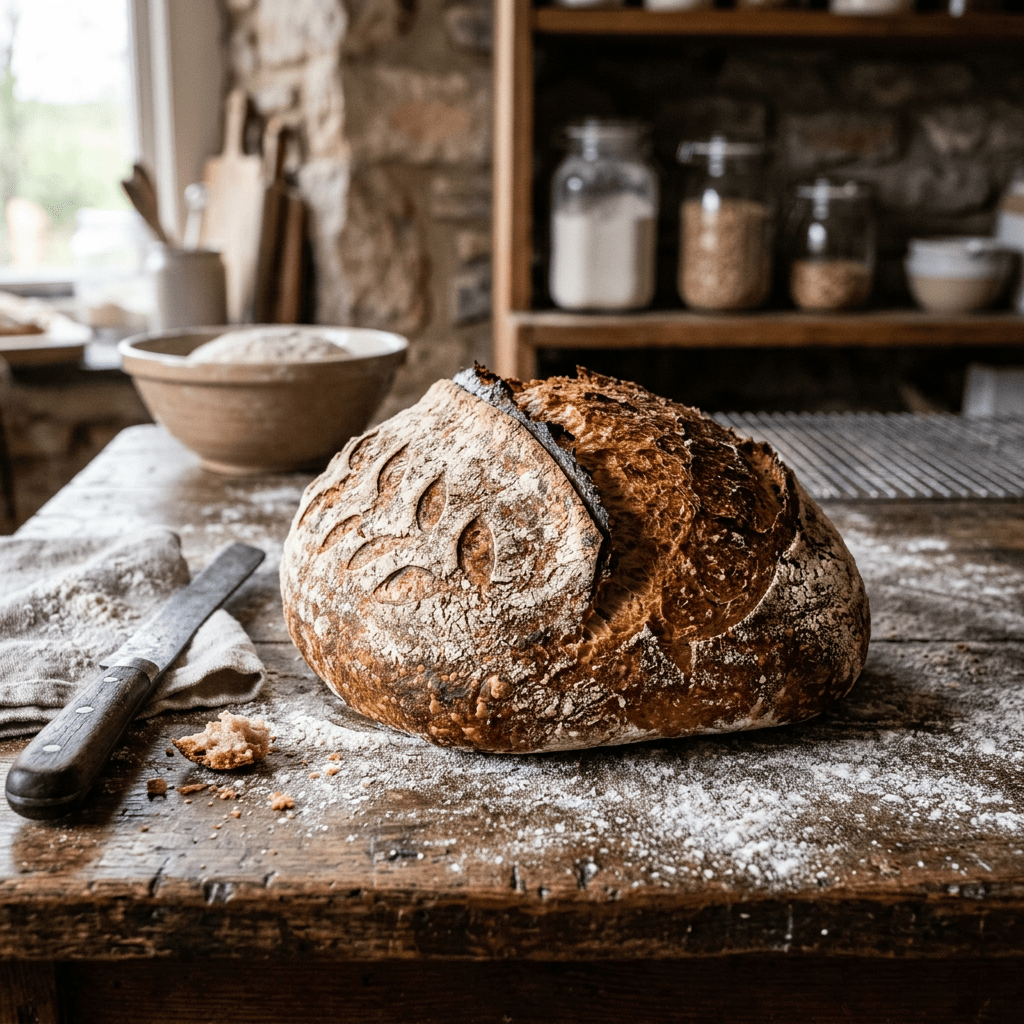
Bread has been a dietary staple for thousands of years, but not all loaves are created equal. Sourdough — the ancient, tangy favorite that has seen a massive resurgence in home kitchens— is not only a cottagecore trend in which people are opting to live a quiet and peaceful lifestyle. Conventional bread — the convenient, soft slices that fill supermarket shelves— is basically just considered optimal because of the mass production ability of it.
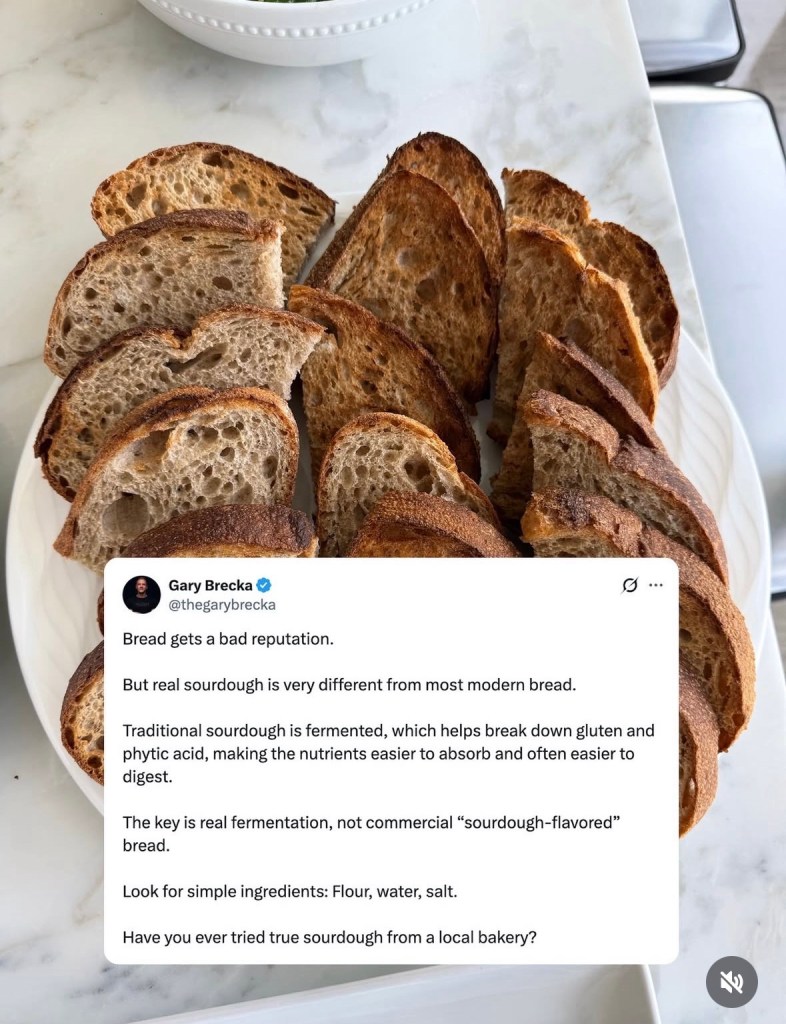
Sourdough Bread vs. Conventional Bread: Which One Deserves a Spot on Your Table?
Sourdough is one of the oldest forms of leavened bread, dating back to ancient Egypt around 1500 BCE (with even earlier evidence possibly from 3700 BCE in Switzerland). It likely started accidentally when dough was left out and colonized by wild yeast and bacteria. This method spread to the Greeks and Romans and remained the primary way to make bread for most of human history until the late 19th and early 20th centuries.
Commercial baker’s yeast, isolated in the 19th century, revolutionized bread-making by speeding up the process. This enabled mass production of consistent, soft loaves.
Sourdough stuck around in places like San Francisco (famous during the Gold Rush, where miners kept starters warm), but conventional bread became the everyday norm.
The biggest distinction between the two types lies in leavening and fermentation:
- Sourdough: Made with a “starter” — a live culture of flour and water harboring wild yeast and lactic acid bacteria. The dough ferments slowly (often 12–48 hours or more). Ingredients are simple: flour, water, salt, and the starter. No commercial yeast needed. This long fermentation creates lactic and acetic acids, giving the signature tang.
- Conventional bread: Uses fast-acting commercial yeast for a quick rise (often just 1–2 hours). Many store-bought versions include additives like dough conditioners, preservatives (e.g., calcium propionate), emulsifiers, sugars, or even vinegar for fake “sour” flavor. “Sourdough” labels on grocery shelves are not always true sourdough — check ingredients! It should literally be 3-4 items listed.
True artisan sourdough is a labor of love. Handmade from the loving baker in your home (or a small local bakery). Conventional bread prioritizes speed, shelf life, and uniformity (a sad state of affairs).
Sourdough often helps with digestion and blood sugar, thanks to fermentation.
Fermentation breaks down phytic acid (which binds minerals), reducing it significantly more than yeast alone (up to 62% vs. 38%). It also lowers hard-to-digest carbs. Fermentation also partially breaks down gluten, helping many with sensitivities. Result: Less bloating!
Sourdough bread has a lower glycemic index (GI): Sourdough typically has a lower GI (~54) than white bread (~71), leading to steadier blood sugar and potentially more satiety.
It also has a better absorption of minerals like magnesium, iron, and zinc. It may support gut health via prebiotics from the fermentation.
Unfortunately, sourdough can be similar or slightly higher in calories/protein/fiber depending on the flour. This is why most normies prefer regular shelf life. They think that the less calories the better. Never mind the quality and nutrients.
Conventional breads are often fortified with vitamins. Whole-grain conventional options can be healthy too. Sourdough is definitely not a miracle food, but the slow process generally makes it more “gut-friendly.”
Sourdough is very complex and tangy in flavor with nutty, acidic notes. It has a chewy crumb, crisp crust, and open holes from the long fermentation. It toasts beautifully and pairs with everything from butter to soups.
Conventional bread is a milder, sweeter taste. Softer, more uniform texture — great for sandwiches or French toast, but often lacks depth.
Many prefer sourdough for its artisanal appeal, though it stales faster without preservatives. All natural is not always cute. Think of sourdough as a beautiful woman who does not get work done versus all the “Instagram models” who often look identical full of plastic surgery.
Sourdough bread is certainly superior in flavor, with potential health perks, and very minimal ingredients, (plus it is satisfying to make!) however it is often time-intensive (or pricier if buying), with variable results and a shorter shelf life.
Personally, I adore sourdough… We get fresh loaves from a local (gluten free!) bakery. It is so scrumptious; literally whenever I feel like I am wasting away, I go to the kitchen and fist the inside of the loaf- leaving the inside for everyone else (smirk)…

