I have never accepted the common claim that wrinkles are simply the unavoidable result of the natural aging process. That explanation has always felt incomplete, almost lazy, as if the body is programmed to crease and collapse on a fixed timetable no matter how we live. What I see instead is a far more personal and revealing process: the gradual recording of a life lived fully, of emotions felt deeply, and of the daily choices that either nourish or deplete the body.

There is something profoundly beautiful about a face that shows its history. Smile lines that fan out from the corners of the mouth, the soft crinkles that gather around the eyes when someone laughs—these are not flaws to be erased. They are evidence of joy. They mean a person has smiled often enough, laughed hard enough, and connected with others deeply enough for those expressions to leave a gentle, permanent imprint. A face without any such marks can sometimes look strangely blank, as if the emotions never quite landed. I prefer the lived-in face. It carries warmth and authenticity that no perfectly smooth surface can match.
Of course, the canvas itself matters. What we put into our bodies shapes how that emotional history is recorded. Eating real food—fruits, vegetables, whole foods rich in water and nutrients—supports the skin’s ability to stay plump and resilient. When the diet is dominated by processed foods, endless cups of coffee, and regular alcohol, the body is steadily dried out from the inside. Hydration is not just about drinking [sparkling] water; it is about whether the cells themselves are receiving the fluids and minerals they need to remain supple.
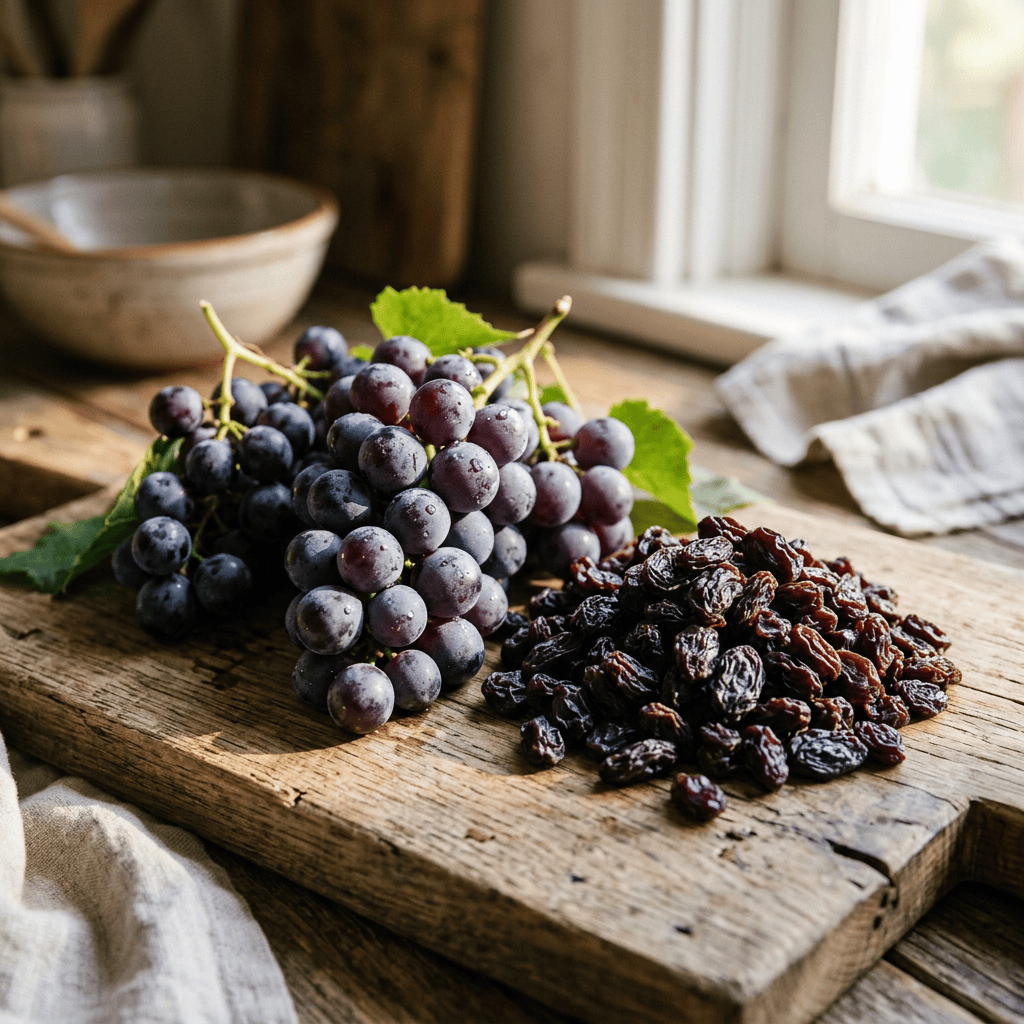
Think about how we make raisins and other dried fruit. Fresh grapes are full of juice, plump and smooth. Place them in the sun or on a drying rack long enough, and the water is drawn out. What remains is wrinkled, concentrated, and smaller. The process is simple and visible. The same principle applies to human skin. When we chronically dehydrate ourselves through poor food choices and dehydrating habits, the skin loses its internal moisture reserves. Over years, that loss becomes visible as fine lines and deeper creases. It is not mysterious aging at work so much as the cumulative effect of drying out the very tissue that once held water so effortlessly.
A baby’s face stays smooth for a reason that goes beyond mere youth. A baby has not yet accumulated all of the emotions, the repeated facial movements of a lifetime, or the gradual consequences of how the organs and systems have been treated. There has been no decades-long record of smiles, worries, laughter, or stress etched into the skin. There has also been no extended period of internal dehydration or nutritional neglect. The face remains an unmarked page because the story has only just begun.
None of this is meant as a rigid set of rules or a promise that perfect habits will freeze time. It is simply an invitation to look at wrinkles differently. They are not a failure of biology or a sentence handed down by the calendar. They are the visible result of a life that has been felt and a body that has been either tended or neglected. When the lines appear from genuine happiness, they can be worn with quiet pride. And when we choose to feed and hydrate ourselves with care, we give the skin a better chance to hold its softness longer, so that the story it tells remains one of vitality rather than depletion.
In the end, the face that interests me most is the one that has lived—creased by laughter, softened by time, and still capable of lighting up with the next smile. That is not aging. That is evidence of a human being who has been fully present.