Tag: 2026

  • Embrace the Summer Solstice: A Celebration of the Season

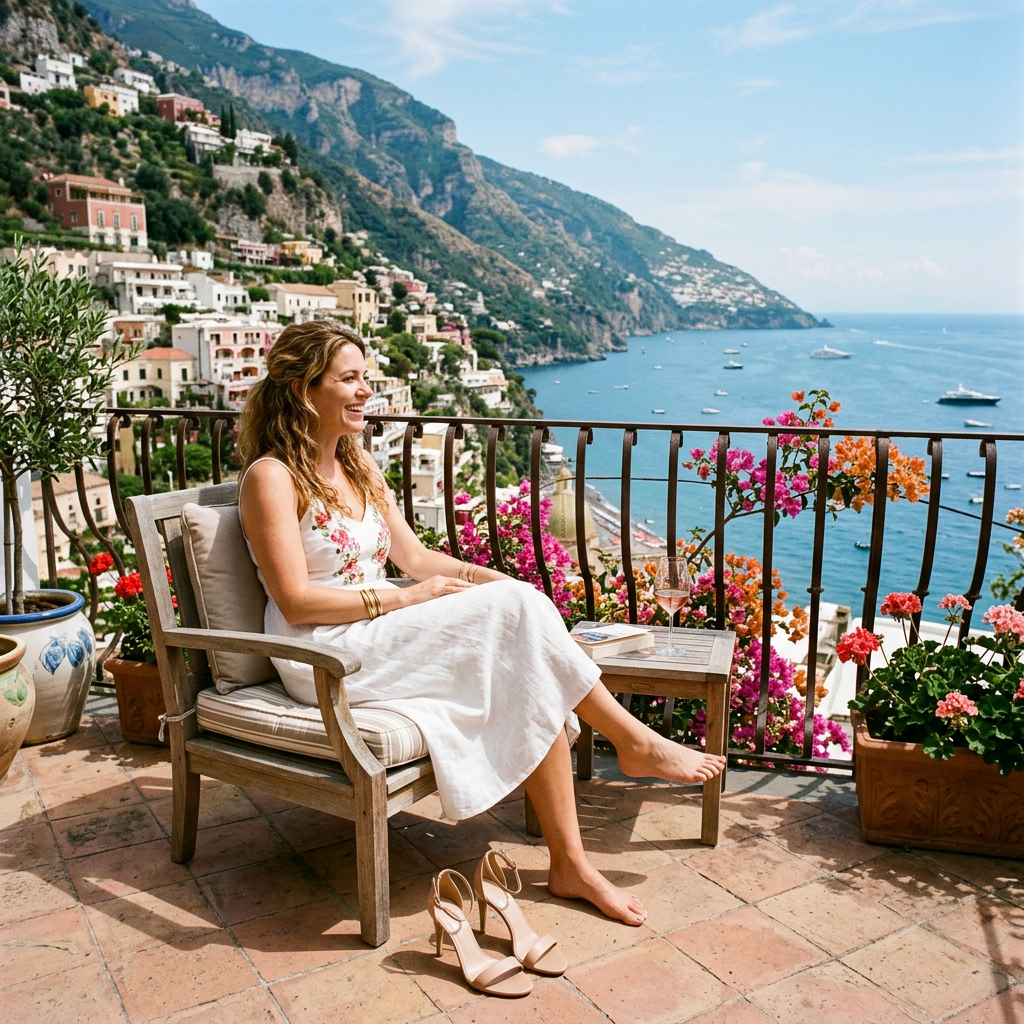
    I love the Summer time— and I really love celebrating. Summer solstice is my ideal. It is finally here — the longest day of the year, the sun’s victory lap, and the official middle finger to cold, dark, depressive days. My favorite goal for me and my man is to be out here treating it like the whimsical rave it was always meant to be.

    In ancient history, midsummer (the celebration of the summer season) was dedicated to Pagan gods, fertility, crops etc. but I do not see why we should not be celebrating the solstice in the religious sense (thanking God’s/the Universe’s creation).

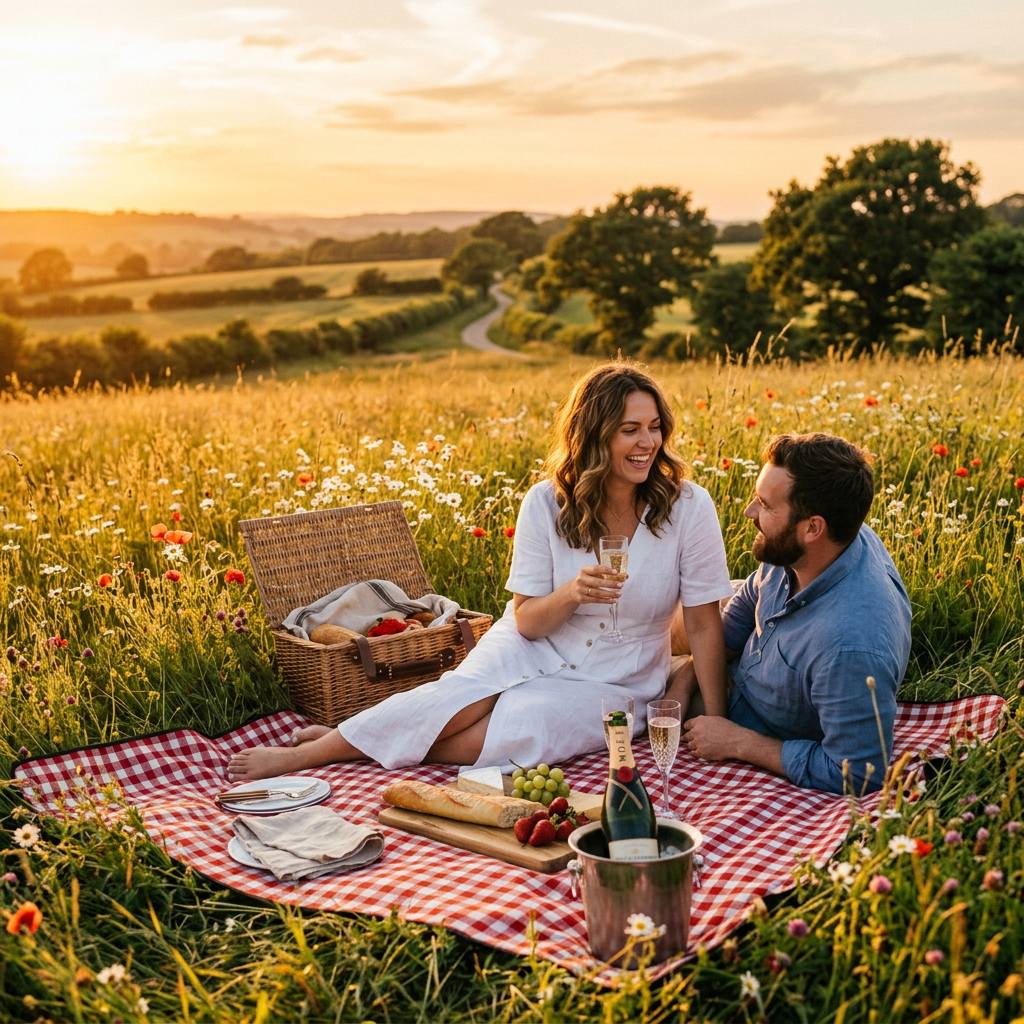
    I am talking quiet little picnics with iced drinks and polite conversation. I also want bonfires that scare the neighbors. I want to stay up until the sky finally gives up and turns dark (which, thanks to the solstice, feels like never). I want to chase the last rays of sunlight. Because this is the one day the universe hands us maximum daylight and says, “Go be reckless, animals.

    Couple sitting on red checkered blanket having a picnic in a wildflower meadow at sunset
    A couple enjoys a sunset picnic in a vibrant wildflower meadow

    Ancient cultures got it right. They lit massive fires, danced until they dropped, mated in the fields, and basically celebrated the sun. Modern life turned it into “wear white linen and drink rosé on a rooftop.” Cute. But weak. I am here for the chaos edition.

    We start at sunrise like lunatics who respect the assignment. (Iced) coffee, loud music, minimal clothing. We drag ourselves outside because the sun is literally showing off and we are not wasting a single golden hour. Then it is beach, lake, rooftop, forest — anywhere the light hits hardest.

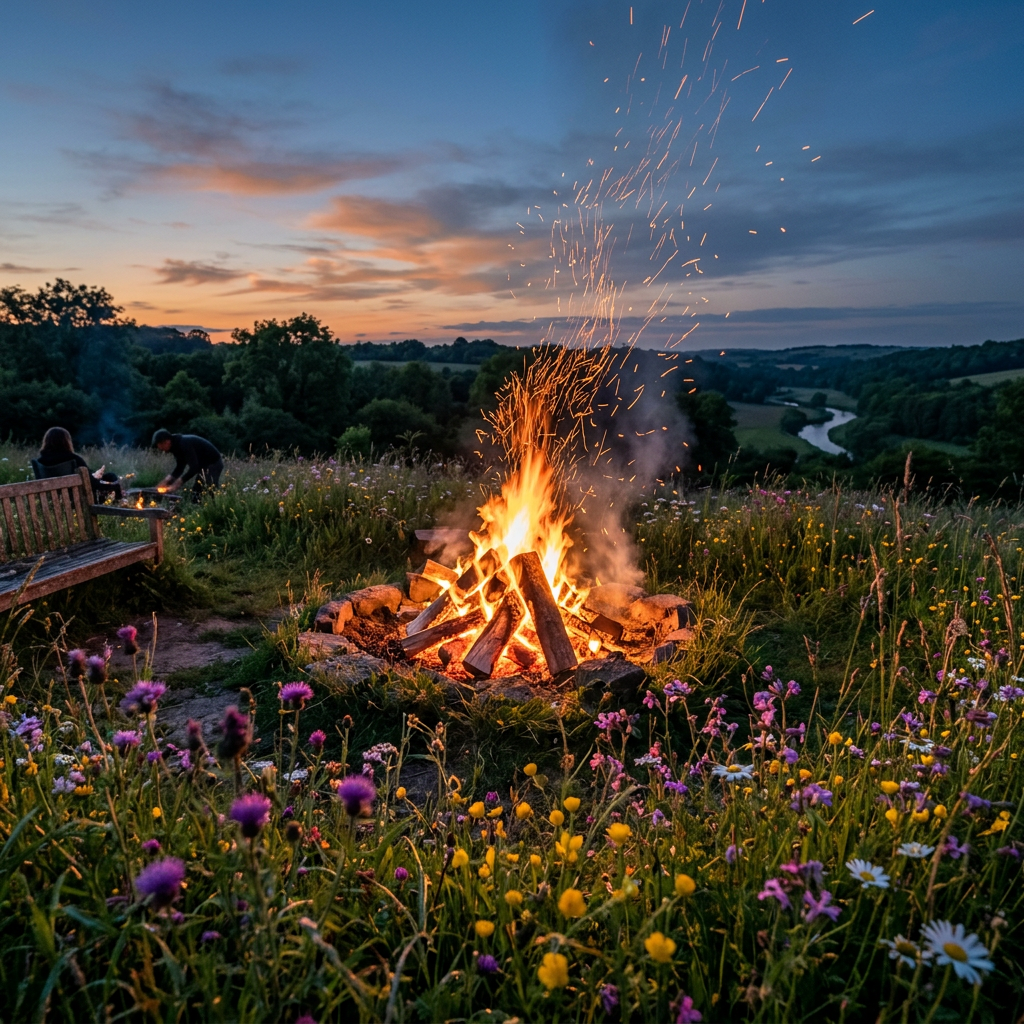
    Bonfire burning in a stone fire pit surrounded by wildflowers and grassy meadow at sunset
    A glowing bonfire lights up a colorful meadow at dusk with people nearby

    We eat: grilled everything, fresh fruit that drips down your arm, cold wine or champagne because yes, we are always on that bottle-a-night agenda.

    At night? Bonfire mandatory. Even if it is a little fire pit in the backyard, I want my Americana s’more snack. Throw in some herbs, some music that makes your ancestors proud, and dance like the veil between worlds is thin (because on solstice it kinda is). Light sparklers. Howl at the sky. Jump over the flames if you are brave enough. Make out like teenagers because the sun blessed the whole day (and season).

    Life is mostly gray office lighting and existential dread. The summer solstice is one of the few times the planet throws us a proper party. The sun is at its strongest, the earth is fertile, and everything feels electric. Do not spend it folding laundry or doing the mundane.

    Get outside. Get loud. Get a little unhinged. Burn something. Fuck someone. Worship the light while it lasts because in six months we will be back in the void, writing about seasonal depression.

    This is our peak. Our longest day. Our reminder that even in this clown timeline, the sun still shows up and cooks the planet just to watch us thrive.

    So celebrate like you mean it.

    Strip down. Heat up. Light it up.

    Happy solstice (I am waiting to properly celebrate with him).

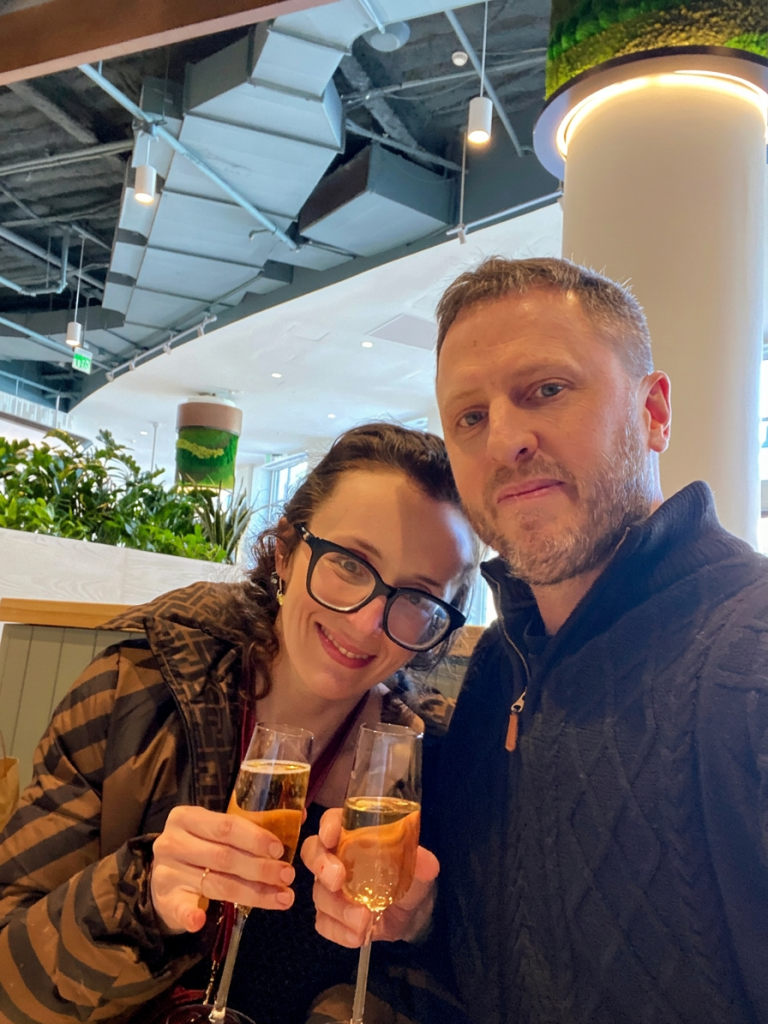
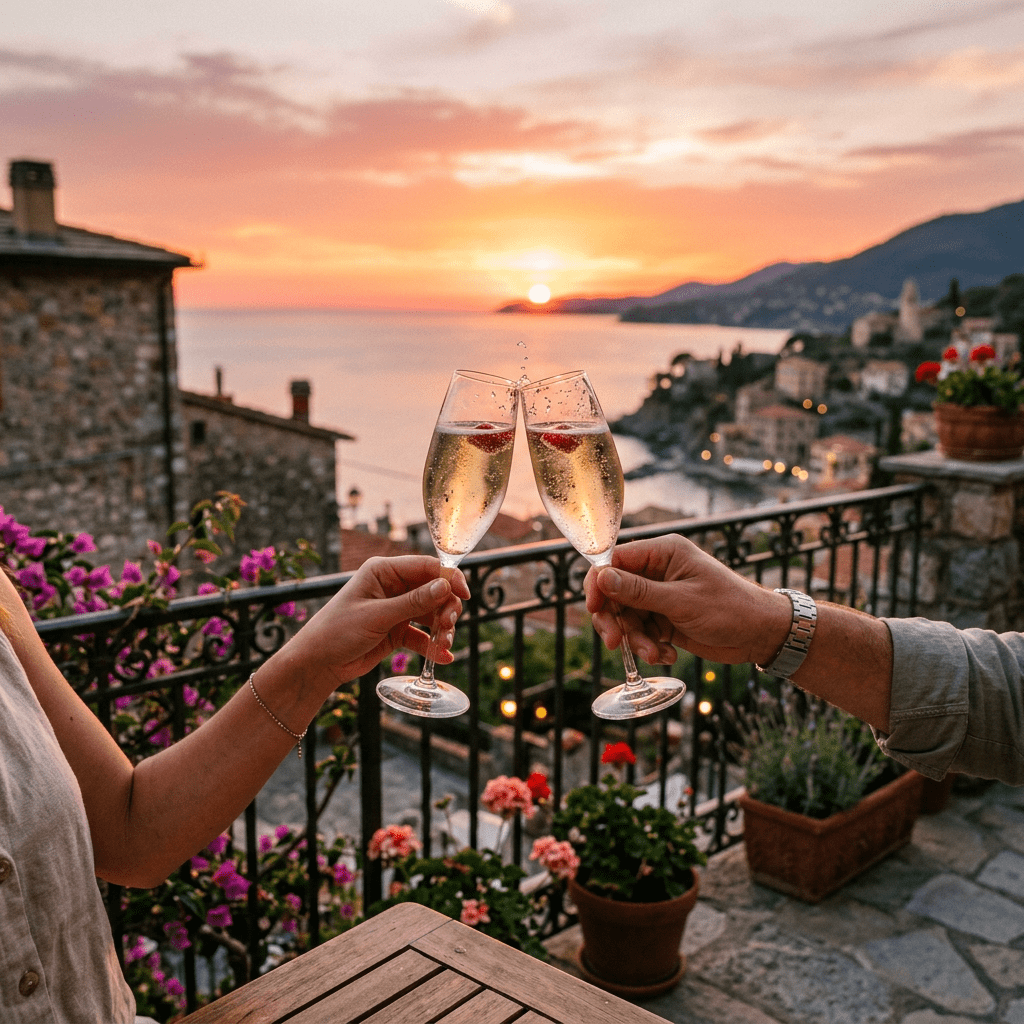
    See you at the bonfire. Bring champagne.

    Radiant sun with flowing flames and glowing flowers against a starry space background
    A radiant sun surrounded by glowing floral motifs in a cosmic background
  • The Ripple Effect: More of What You Love

    The Ripple Effect: More of What You Love

    It is easy to overlook the quiet “miracles” that surround us every single day. Yet one of the most profound truths about human fulfillment—and about creating even more goodness in our lives—is this: It is vital to be thankful for everything that is good in your life.

    Gratitude has become an overused buzzword. Gratitude is not just a polite “thank you” or a fleeting warm feeling. It is a deliberate, heart-centered practice that shifts your entire energy, perspective, and ultimately, your reality. We all know, on some level, that we should not take the basics for granted. Running water that flows clean and hot at the turn of a tap. Reliable heating that keeps your home cozy when winter bites (this is uber important to my constantly freezing body!). A solid roof overhead that shields you from rain, wind, and the elements. Yet for many of us, these “luxuries” become background noise.

    The same goes for the people in our lives. Friends and family. My family—especially—have shown up, even imperfectly. I am beyond grateful that I was not tossed out when I became needy and helpless. Typically, we appreciate them in moments of crisis or celebration, but how often do we pause in ordinary moments to truly feel the gift of our family’s presence?

    Here is where the magic happens. Casual appreciation is nice, but to bring about more in our lives, we need to feel truly grateful for everything and everyone—not just the obvious blessings, but the small, the mundane, and even the challenging things that shape us.

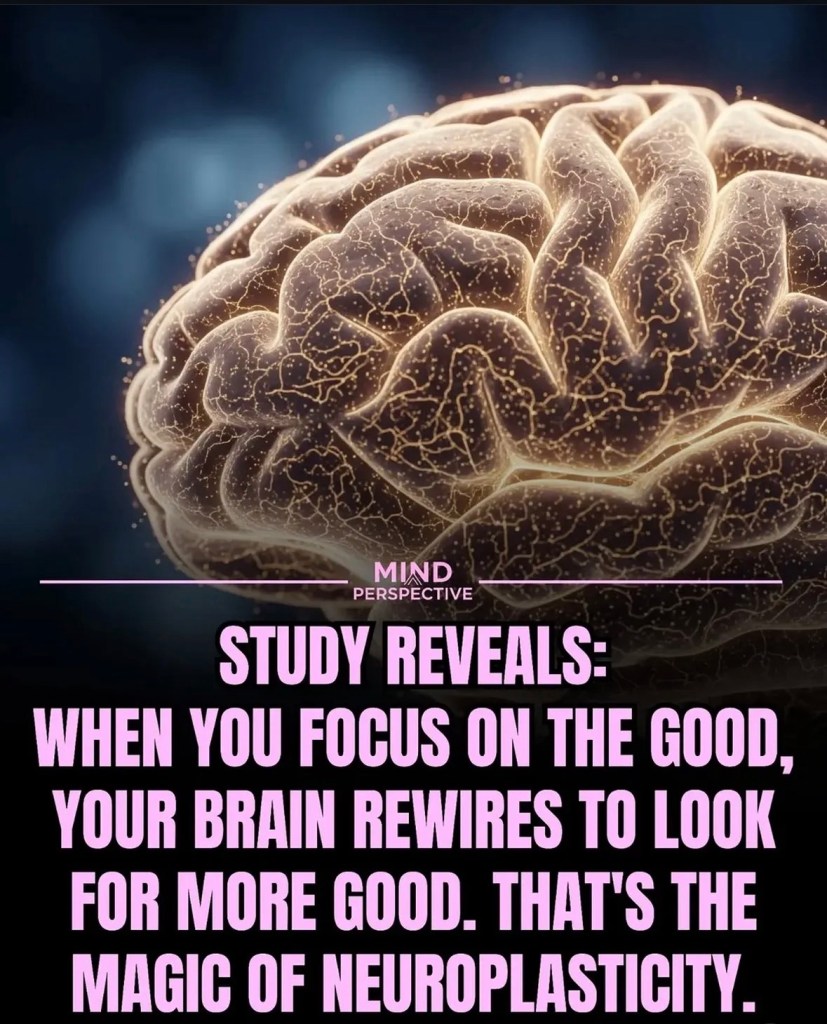
    Think about it. When you wake up and genuinely feel thankful for the bed that held you through the night, the air filling your lungs, the sunlight (or even the rain) outside your window, something inside you softens and expands. Your nervous system calms. Your mind clears. Opportunities that once hid in plain sight suddenly become visible. Psychologists call this the “broaden-and-build” theory: positive emotions like gratitude widen our awareness and help us build resources—relationships, skills, resilience—for the future.

    On a more spiritual or energetic level, many traditions and modern manifestation teachings emphasize that what you appreciate appreciates. Gratitude acts like a magnet. When you radiate sincere thanks for what you already have, you signal to the universe that you are a good steward of blessings. You are ready for more. Contrast this with the scarcity mindset: constant wanting, complaining, or comparing. That energy tends to keep us stuck exactly where we are, focused on lack.

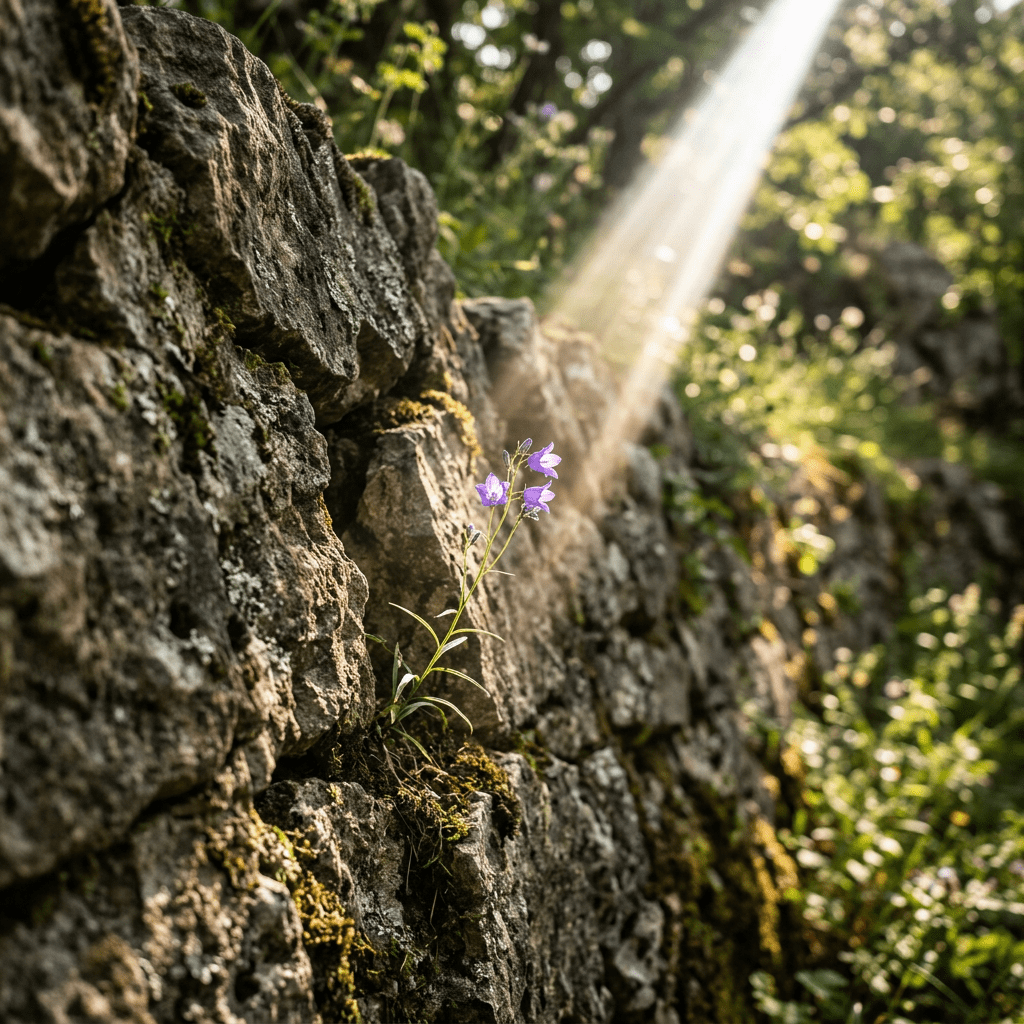
    Purple wildflower growing out of a crevice in a moss-covered stone wall with sunbeam
    A delicate purple wildflower blooms from a crack in a mossy stone wall illuminated by sunlight

    Even in hardship, gratitude works its alchemy. Being grateful for the quiet strength you discover in loss is something that I had to discover. These are not toxic positivity exercises—they are honest acknowledgments that every experience contains seeds of growth.

    Turning gratitude into a life-changing habit does not require hours of your day. Ask, “What is this situation trying to teach me?” Then thank it in advance for the wisdom or strength it will bring.Bookend your day with gratitude. Start with thanks for the day ahead and end with thanks for what unfolded.

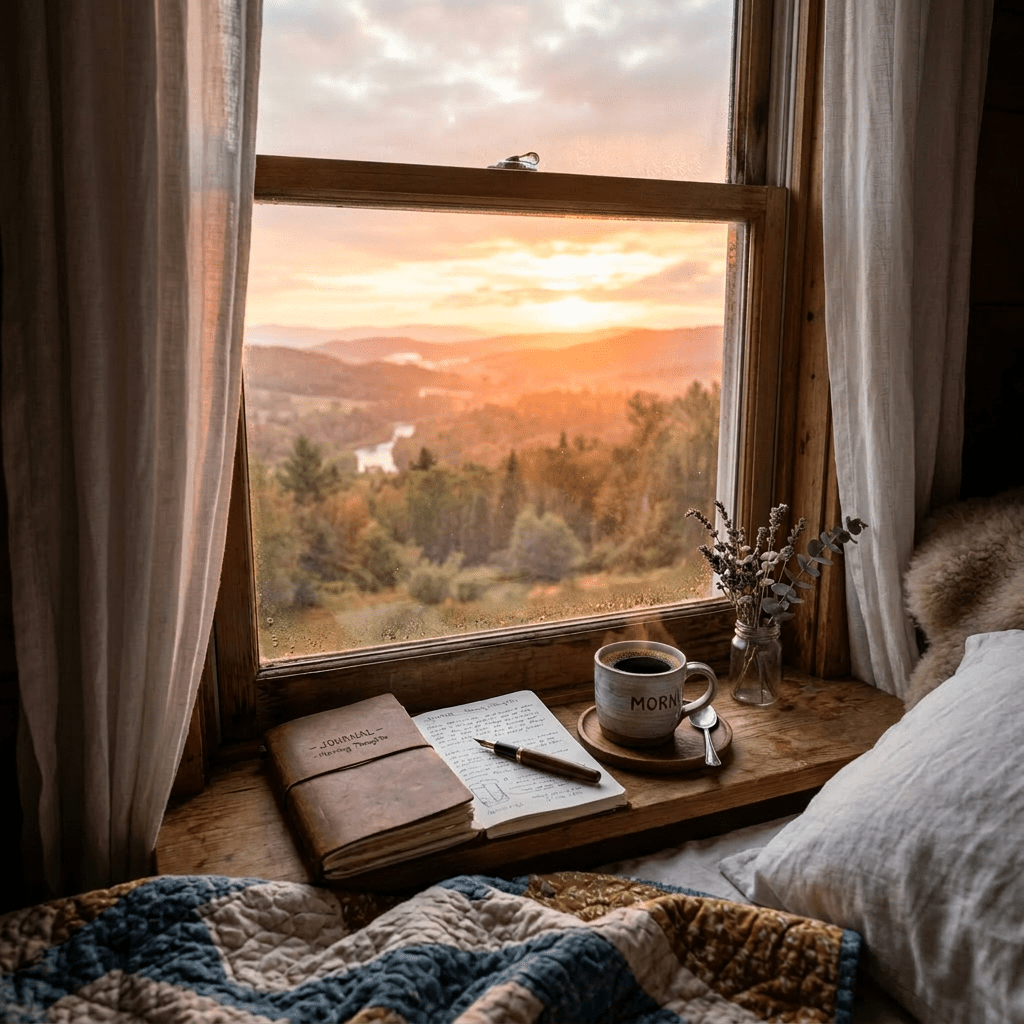
    Journal, pen, steaming coffee cup, and vase on a windowsill with sunrise over mountains
    A peaceful morning scene with a journal, coffee, and sunrise view

    When you embody this level of gratitude, life responds. Relationships deepen because people feel genuinely valued. Health improves as stress decreases and joy increases. Abundance flows—at least in steady, meaningful ways: unexpected help, creative ideas, synchronicities, and a profound sense of “enough” that paradoxically opens the door to more.

    So today, pause. Look around. Feel the chair supporting you, the device in your hands bringing these words, the breath moving through you. Say thank you—and really mean it. For the basics. For the people. For the lessons. For everything.

  • My Morning Espresso Ritual: The Only Luxury a Broken Body Can Afford

    My Morning Espresso Ritual: The Only Luxury a Broken Body Can Afford

    What’s the one luxury you can’t live without?

    I am not exactly out here pretending I have a yacht docked in the harbor or a private jet on standby (despite adoring the whole “Fake It ‘Til You Make It” trend). My version of baller status is far more pathetic and honest: a single, perfectly pulled espresso in the half-dark before the rest of the house wakes up. That’s it. That is the flex.

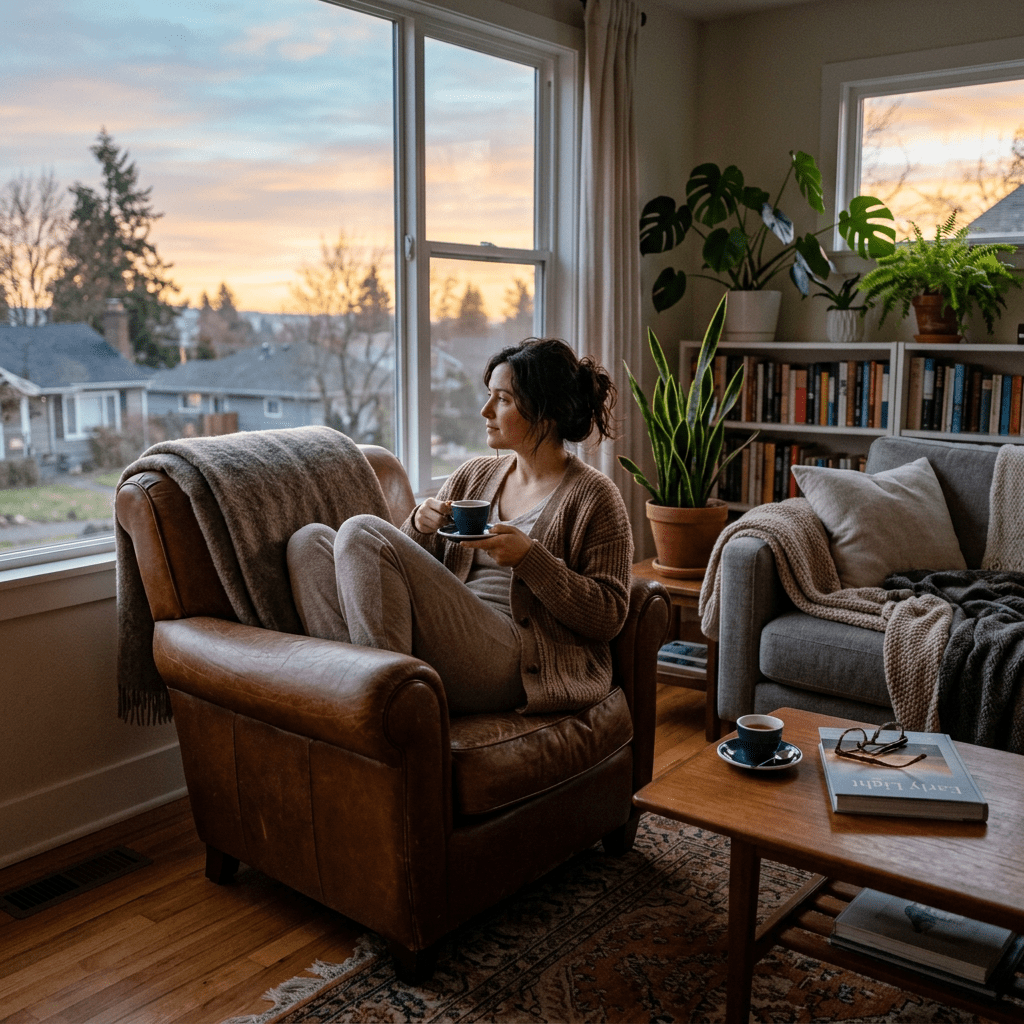
    Woman sitting in leather armchair sipping coffee while looking out window
    A woman enjoys a peaceful morning coffee by the window in a cozy living room

    Eyes crusty with sleep, praying that my legs are not already plotting their daily betrayal, I roll into the kitchen like a zombie. The grinder screams, the machine hisses, and then—that first bitter, velvety shot hits. For thirty blessed seconds I am not malfunctioning. I exist. I am just a girl with hot coffee and zero responsibilities except breathing.

    I sit there in the quiet, Boston sports radio murmuring in the background or some unhinged podcast feeding my brain chaos. No small talk. No demands. Just me, the slowly brightening sky, and the low hum of a town that does not seem to care about my shaky limbs. I call it “alone time” but really it is damage control. Every morning I have to negotiate with it: Come on, give me enough juice to stand up straight today.

    I start slow. Maybe I fire up Photoshop and make something manifesting and cute for my man—because sending him memes and edited pictures of us together is basically my love language. Or I hammer out a blog post like this one, raw and unfiltered, before the filter of “what will people think” kicks in. These little projects for him are my way of saying I’m still here, still creating, still obsessed with you even when my nervous system is going in the wrong direction.

    Make no mistake—I would trade every peaceful sunrise for the version where I am sitting across from him, coffee steam between us, his hand on my thigh keeping the tremors quiet. But right now the house is in that perfect in-between state: father is already out the door grinding like a responsible adult, Mother is still asleep, and the world has not started making noise yet. So I take it. I cherish it.

    I watch the sky go from bruised purple to smug pink, sipping my tiny cup of rocket fuel, mentally telling my legs to gear up for a new adventure. More motion, less shaking. More forward, less collapse. That is the deal I make with this body every single day.

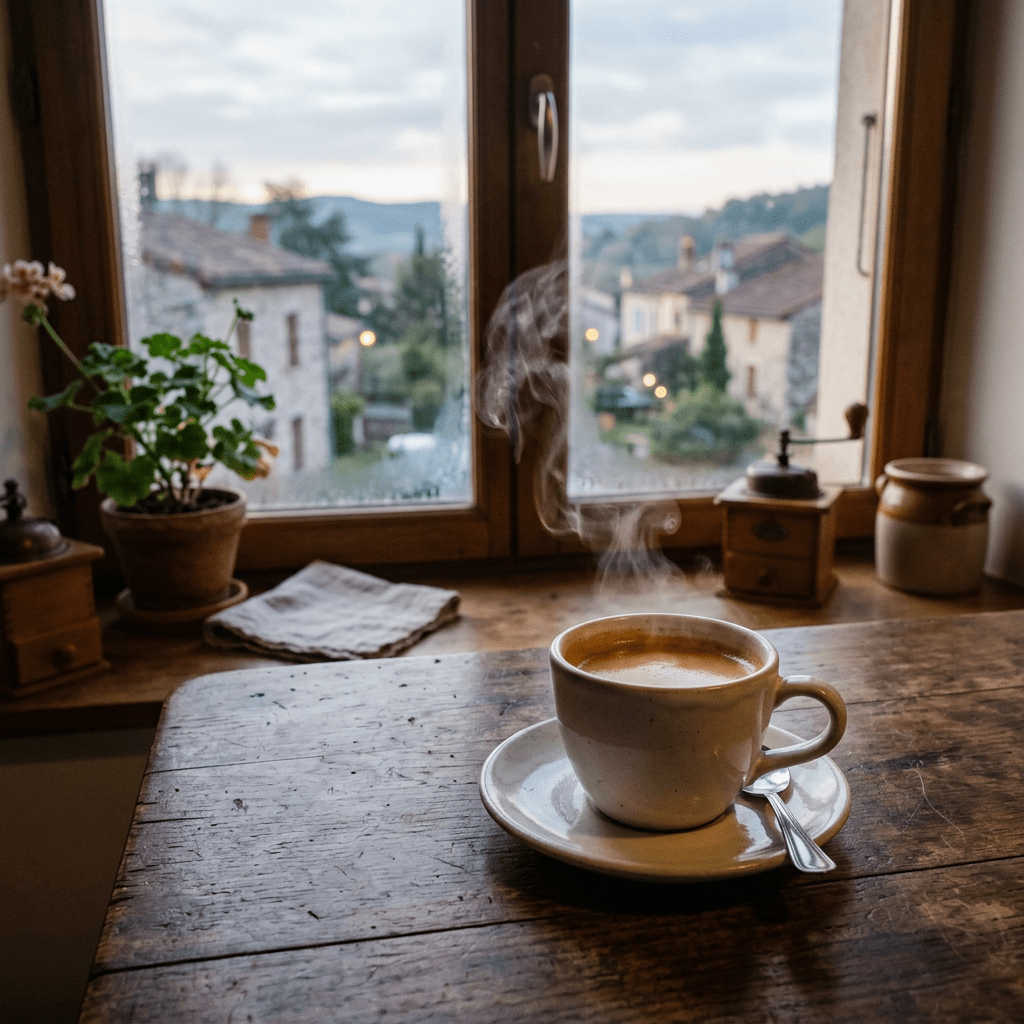
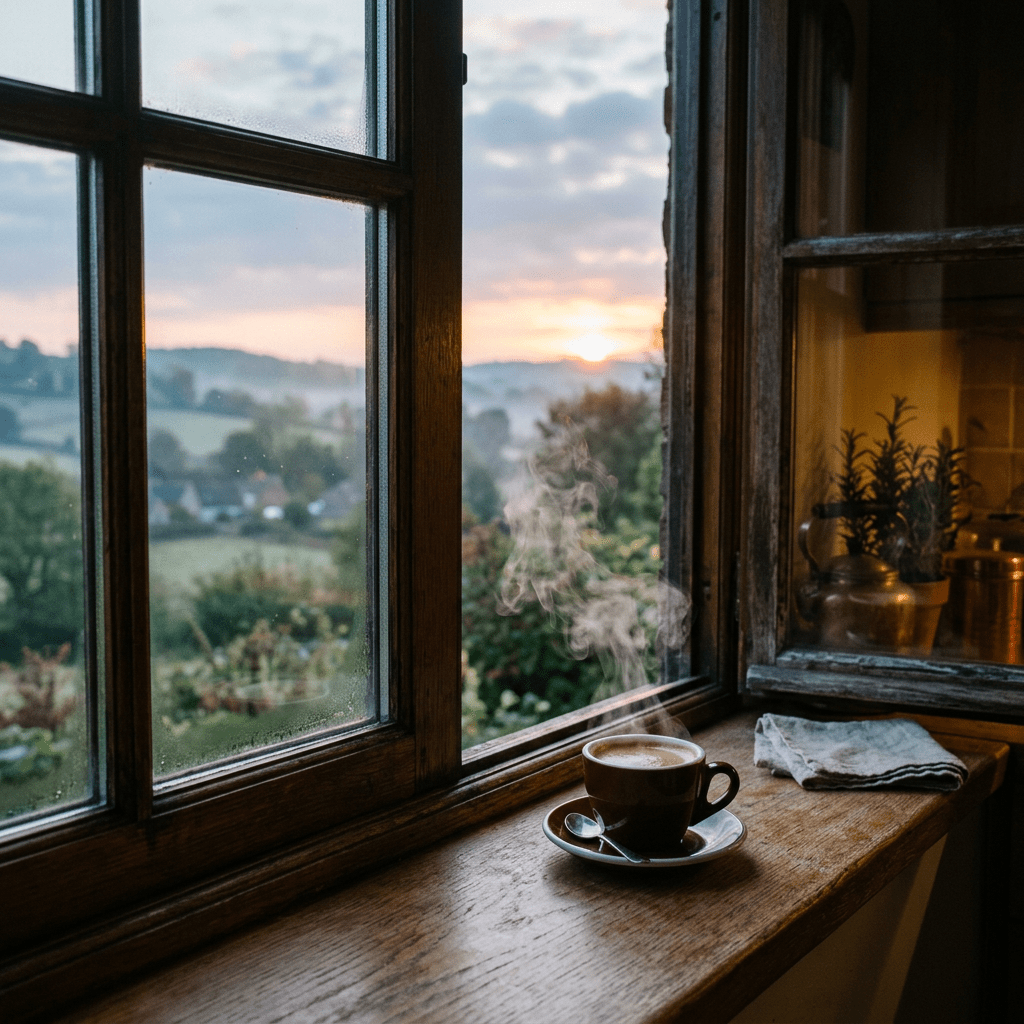
    Steaming cup of coffee on wooden windowsill with sunrise over countryside in background
    A steaming cup of coffee sits on a wooden windowsill overlooking a peaceful sunrise landscape.

    It is not glamorous. It is not #selfcare aesthetic with jade rollers and affirmations. It is survival dressed up as ritual. A small, defiant luxury for someone who cannot even always trust her own body to cooperate. But in these stolen minutes I feel almost whole. Capable. A little dangerous, even.

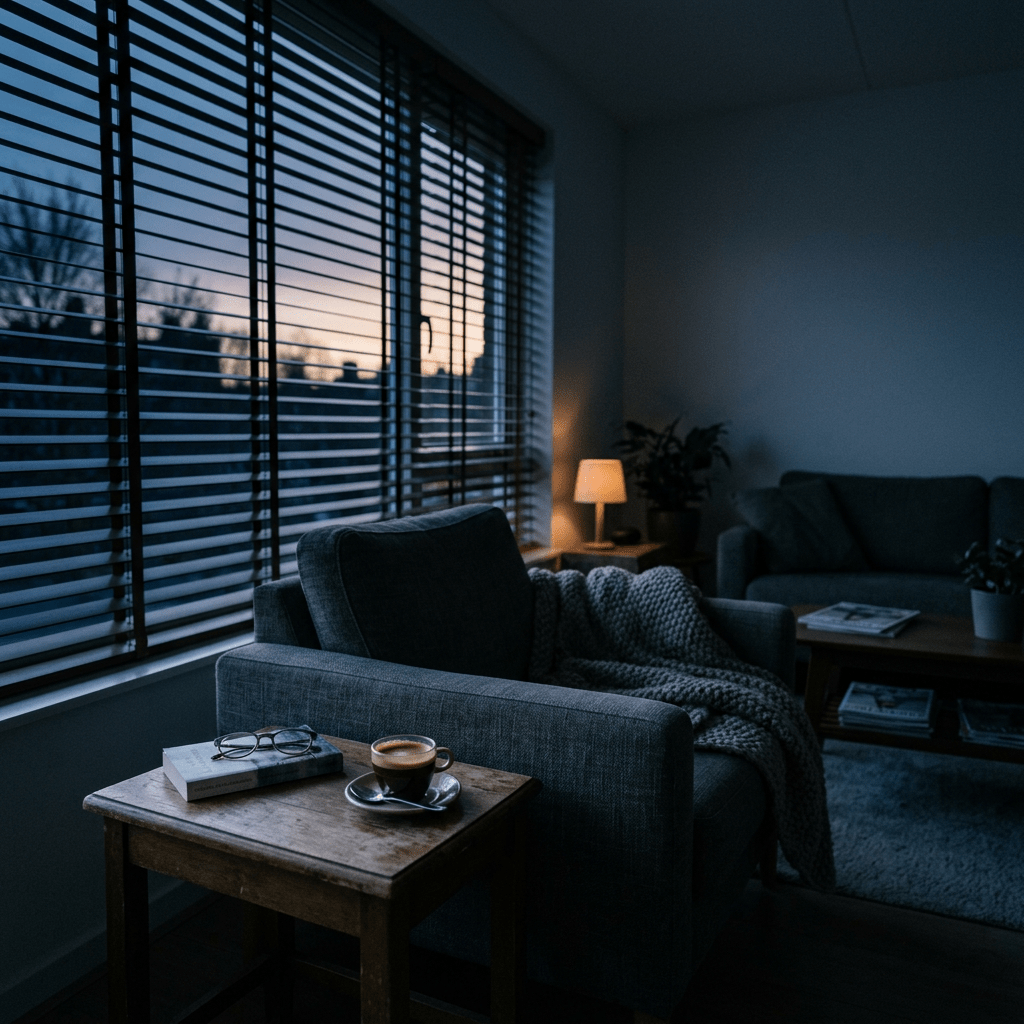
    Armchair with blanket next to a table holding coffee cup and glasses by window
    A comfortable armchair with a blanket and coffee near a window at dusk

    Because if I can drag myself out of bed and create something beautiful for the man I love while my legs are staging a silent mutiny, imagine what the hell I will do when I’m actually firing on all cylinders.

    Until then, I will be over here. Espresso in hand, sky getting lighter, heart already halfway across America with him.

  • My deepest passion is nutrition — but ultimately, it’s all for him

    What are you passionate about?

    He is the prize at the end of the journey. To fully receive that gift and build the life I dream of with him, I have made my health non-negotiable. Nutrition is not just a hobby for me; it is something I can wax poetic about for hours with genuine excitement. I have explored it all — from the MAHA movement (seed oils, fluoride, ultra-processed additives, and all the hidden toxins) to Ray Peat’s principles and everything in between. I have lived the experiments myself: vegan, gluten-free, paleo, keto. I have been underweight and overweight. Through trial and error, I have learned what truly makes the body and mind thrive.

    Bright multicolored heart-shaped light swirl in starry cosmic background
    A glowing, multicolored heart-shaped swirl glimmers vividly in space.

    A brain injury years ago left me with some lasting effects I can be self-conscious about. It does not stop me from loving deeply or building a lasting relationship— as seen in my current form attracting him (thankfully, the “disability” does not seem to bother him at all), but I still carry that quiet desire to show up as my strongest, healthiest self. I want to move through life with ease — for me, and especially for him.

    Currently. Wifely duties from afar.

    Because more than anything, I long to be his perfect little housewife. I can already manage it beautifully with one hand, but two steady hands would let me pour even more love into our home. And yes — almost every girl dreams of the aisle. So I am committed to walking strong, not just so I can hold his hand while we stroll down the street or along the beach, but so I can walk down that damn aisle toward him, radiant and ready for forever.

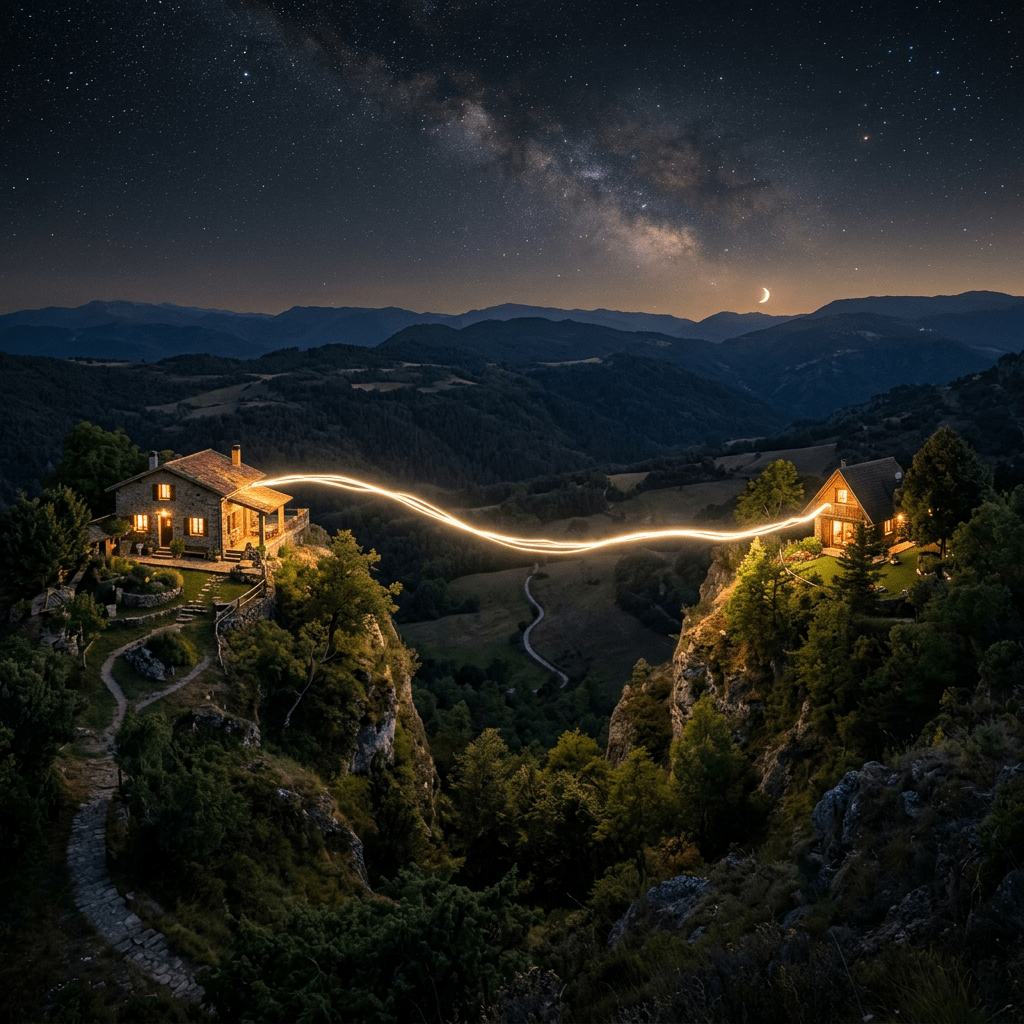
    Two illuminated houses on mountain cliffs linked by a glowing light trail under starry sky
    Love from a Distance.
  • Why Settle for Basic When You Can Be His Ultimate Arm Candy?

    Why Settle for Basic When You Can Be His Ultimate Arm Candy?

    In a world drowning in sloppy sweatpants, filtered selfies, and the exhausting cult of “I’m a strong independent woman who don’t need no man,”: a woman should not only be beautiful. She should be dangerously interesting.

    Beauty opens doors, sure. It turns heads, stops conversations mid-sentence, and makes weak men stutter. But beauty without substance? That is just expensive wallpaper. Pretty to look at until someone better walks by.  Why do you think men are always leaving the Halle Berrys and Victoria’s Secret models?!

    It is a honor to be beautiful. Own it. Revel in it. Wake up every morning and treat your femininity like the rare, intoxicating weapon it is. Keep your legs (and the rest of your body) smooth like it is foreplay. Move with the kind of grace that makes other women clutch their pearls and men adjust their pants. Speak with eloquence that drips like honey—slow, deliberate, unforgettable. Wear the dress that shows off every bone like it is personally offended by fabric. Because your body, your presence, your entire aura is a privilege, not a participation trophy.

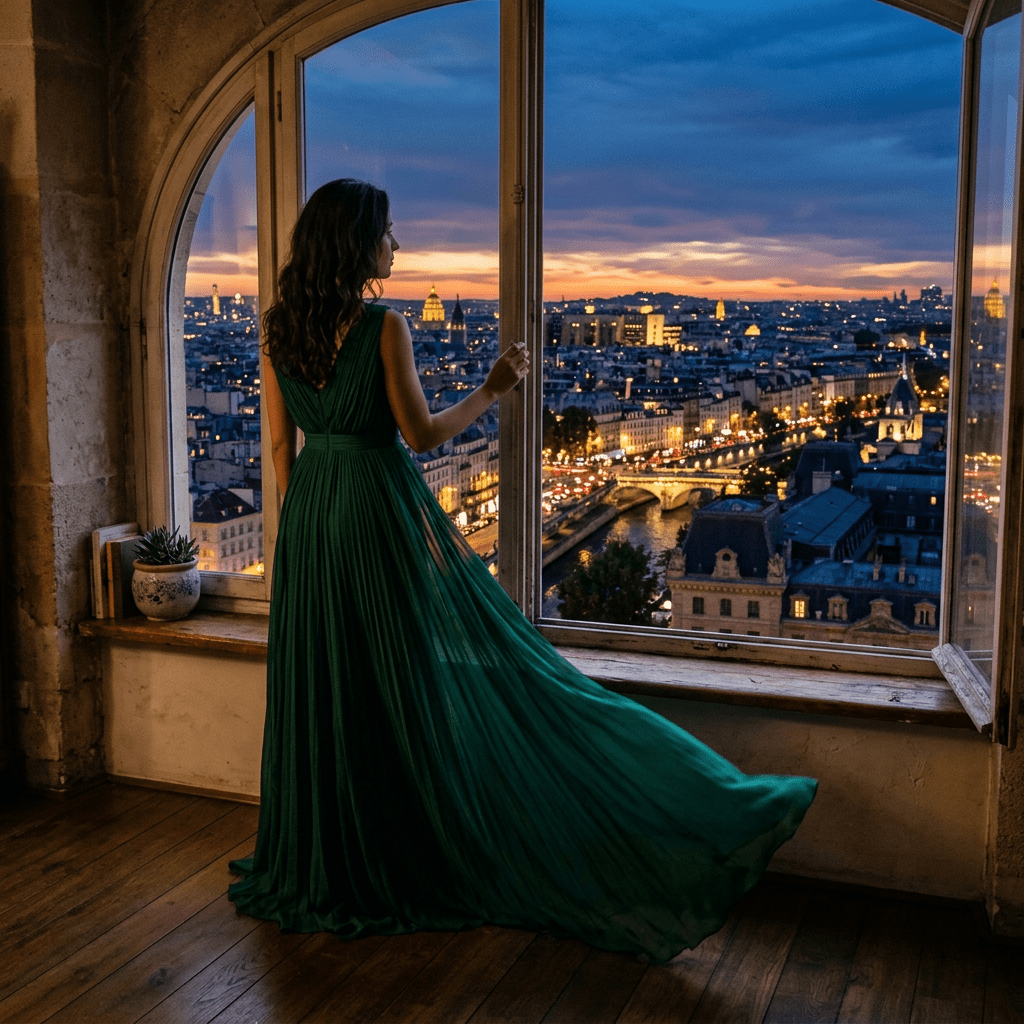
    Woman in green dress looking out window at city skyline during sunset
    Be elegant, not powerful

    But here is where the modern girlies lose the plot: please do not dare stop there.

    Your man does not just want a pretty face on his arm at events. He wants a woman who makes his blood run hot, his mind race, and his ego feel like that of a king. Beauty gets you in the door. Depth keeps you locked in his bed, his heart, and his future. Cook for him like you are seducing his soul. Laugh at his jokes even when they are mid, but roast him when he deserves it—sharp, playful, never bitter. Read books. Have opinions that are not just recycled social media drivel. Know when to be soft and yielding and when to challenge him just enough.

    My boyfriend was initially drawn to me because of my edgy and controversial personality that I exhibited on my old X account (Twitter). I have always been book smart— not naturally intelligent— but my man is always amazed by the amount of information I retain. I am obsessed with listening to podcasts (although I have been on a bit of a hiatus) and yes I read X.com like it is my personality curated newspaper. So I tend to be well versed and able to discuss his interests with him. (But I also had a fire profile picture…)

    How I do the “news”/ stay interesting now

    Yes, it has always been my number one goal to be arm candy for my husband.

    YES, please

    I did not stumble into this. I craved it for years before I even met him. While my friends were out chasing careers, validation from strangers, and that mythical “self-love” that somehow always required new hair dye and more therapy, I was curating myself like a masterpiece. I was sitting there in my wheelchair all fat and bloated— just daydreaming about the day my husband can show me off. I wanted to be the woman other men envy and other women quietly resent. I still do. The one who turns heads in the restaurant and makes his hand instinctively tighten on my waist. The trophy that is not just shiny but sharp as a blade underneath.

    And now? I take immense pleasure in being exactly that for my man.

    Chess queen piece standing alone on a wooden chessboard with spotlight
    A single chess queen piece illuminated on a wooden chessboard in a dim room

    There is something deliciously powerful about being on his arm, knowing every eye is on us—and that I am the one he gets to take home, unwrap, and ruin. I love being the visual feast he shows off and the private obsession he devours behind closed doors. I crave the way people glance a second too long and then look away because they know they could never have this. I love the quiet pride in his eyes when I charm, when I look flawless at four a.m. with bed hair that somehow still looks intentionality messy, when I anticipate his needs before he voices them.

    Call it outdated. Call it anti-feminist. I call it honest.

    Because let me be real: the “girlboss” who spends her nights crying into takeout because her “high-value” standards left her with a vibrator and an empty calendar is not winning. She is exhausted. Meanwhile, I am glowing, desired, and secure in the kind of traditional dynamic that actually satisfies something primal in both of us.

    Femininity is not weakness. It is strategy. It is power wrapped in silk and perfume. Being beautiful is the baseline. Being interesting—the kind of interesting that makes him obsessed—is the flex. And being unapologetically his arm candy? That is the victory lap.

    Maybe it is time to stop competing with men and start completing the one worth keeping.

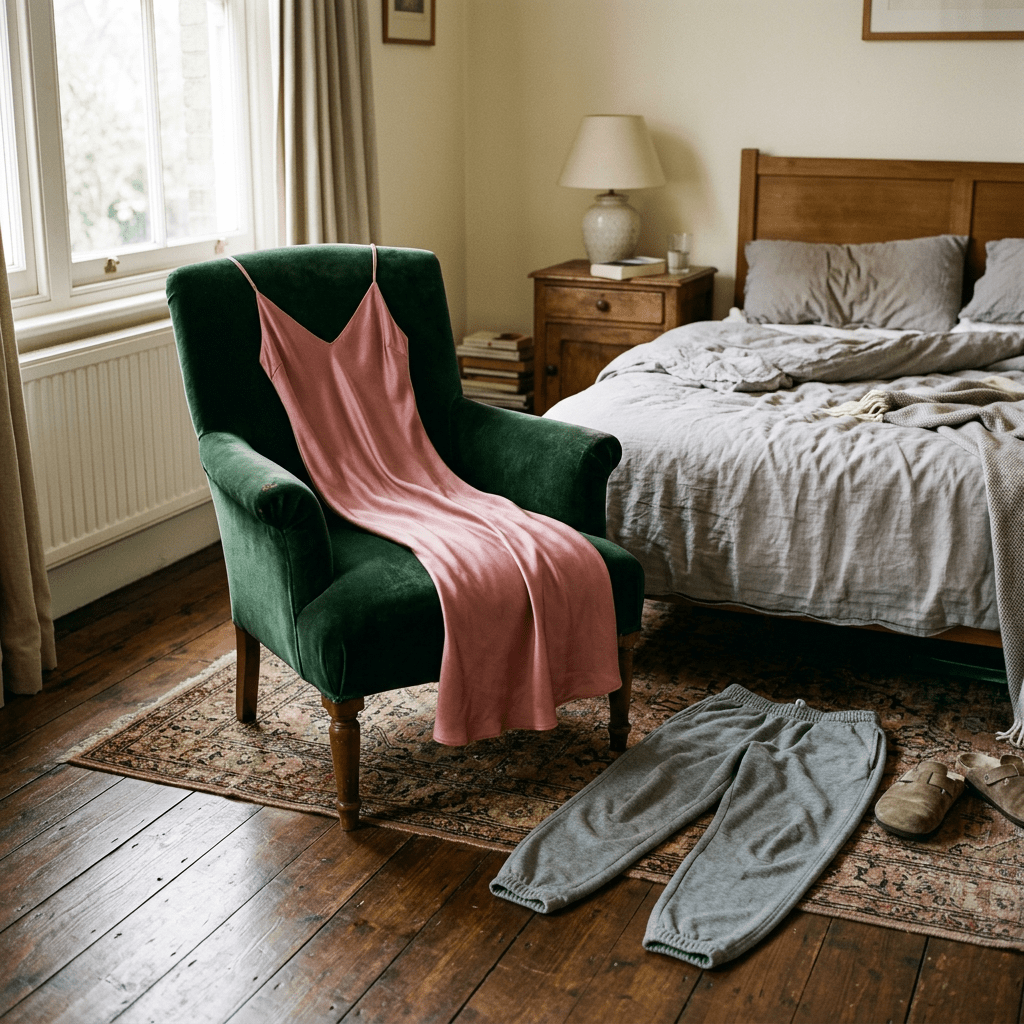
    Green silk dress on a red velvet chair with casual clothes on the floor
    A green silky dress and casual clothing draped on a vintage chair in a cozy room.
  • The Faux Pas of Following the Script in Life

    The Faux Pas of Following the Script in Life

    Faux pas.

    Literally, it means “false step” in French—like you tripped over your own feet in the middle of a crowded ballroom and everyone turned to stare. In American English, we have borrowed the term to describe any social blunder, any tiny (or not-so-tiny) violation of the invisible rulebook that supposedly keeps society running smoothly. Say the wrong thing at a dinner party. Wear white after Labor Day. Ask a woman when she is expecting … when she is not actually pregnant. Boom. Faux pas. Social death.

    The phrase has always fascinated me because it is so perfectly French in its elegance and so perfectly American in its judgment. It sounds sophisticated, almost romantic—but really it is just polite code for “you messed up and now everyone’s secretly judging you.”

    And that got me thinking.

    Why are we so obsessed with these invisible lines? Who drew them? Who keeps redrawing them every few years? And why does the mere idea of being told how I am“supposed” to behave in any given situation make my skin crawl and my inner rebel kick into overdrive?

    I have never been good at following scripts. Not in recitals, not in job interviews, and definitely not in the grand theater of adult life. The older I get, the more I realize that a huge chunk of my personal growth has come from deliberately stepping on the lines everyone else is so busy tiptoeing around. Not out of spite (okay, sometimes out of spite), but because performing for an invisible audience feels like slow suffocation.

    Let me give you an example. My lack of job or career. My relationship and its status.

    Translation: Sweetie, that’s a faux pas. You’re supposed to say you are a “marketing coordinator” or “nurse practitioner” or anything that sounds like you have a 401(k) and a five-year plan.

    And: He is suppossed to choose you immediately. You should live together, get married and become a family, like everyone else…

    Because apparently everyone is the same and has the same path in life.

    Stability is overrated when you are busy living the life you actually want. And I want to be his 100%.

    That moment I am told how to live my life is never about being rude. It is all about refusing to shrink myself into the neat little box labeled “Acceptable Adult Woman.” Society has a whole collection of those boxes—career boxes, relationship boxes, body boxes, personality boxes—and they all come with instruction manuals disguised as “just common sense” or “what everyone does.”  News flash: most people do not even have any sense whatsoever (so it is not really that common). 

    Here is the thing I have learned the hard way: those expectations are not there to protect us. They are there to keep things comfortable. Comfortable for everyone else. Predictable. Easy to categorize. If I follow the script—get the degree, land the safe job, marry at the right age, have the right number of kids, post the curated vacation photos, never admit I sometimes cry in my shower—then nobody has to feel awkward. Nobody has to question their own choices. The machine keeps humming.

    But what if the machine is boring? What if the script was written by people who were terrified of their own shadow? What if “fitting in” is just another way of saying “quietly dying inside”?

    I am not advocating for chaos. I still say please and thank you. Basic decency is not the enemy. The enemy is the quiet tyranny of “this is how it’s done” when “it” no longer fits who you actually are.

    I hate being told what to do because I spent too many years doing exactly that and waking up wondering whose life I was living. I hate performative expectations because they turn human connection into a performance review. And I especially hate the way media has turned every single faux pas into a public execution. One off-color political joke, one long distance relationship, one honest opinion and suddenly you are struggling to get followers on social networks.

    The irony is that the people quickest to call out faux pas are often the ones most trapped by them. They are not free; they are just better at pretending.

    So here is my quiet rebellion: I am going to keep committing the occasional faux pas. Not the cruel ones—never those—but the ones that come from refusing to edit myself for other people’s comfort. I am going to wear the “wrong” outfit, say the “wrong” thing at the “wrong” time, and build a life that looks messy and inconsistent and deeply, unapologetically mine.

    Because the real false step is not tripping over some arbitrary social rule.

    The real false step is spending your whole life walking someone else’s path so carefully that you forget how to walk your own.

    And relearning how to walk has taught me that:  I would rather stumble forward in my own Yeezys than glide perfectly in someone else’s shoes. 

  • The Rise of Comfort: Embracing the Free-Bra Movement

    The Rise of Comfort: Embracing the Free-Bra Movement

    Remember when getting a bra that actually fit felt like a sacred, slightly humiliating pilgrimage? We would trek to the mall, hearts pounding, ready to surrender our bare chests to a stranger armed with nothing but a measuring tape and a clipboard. Victoria’s Secret was not just a store—it was a temple. And the goddess was that perfectly coiffed sales associate with the tape dangling around her neck.

    You would stand there in a tiny fitting room that smelled faintly of vanilla candles and desperation, arms raised while she poked, prodded, lifted, and adjusted. “Okay, honey, breathe out… now inhale… A cup? Or is that a B on a heavy day?” Brassiere itself sounds like industrial equipment. We endured it all for the promise of “lift and separation,” for the illusion of perfect, perky cleavage that could launch a thousand thirsty glances in high school. We contorted our bodies, sucked in our stomachs, and prayed the underwire would make us look like a goddess instead of committing war crimes on our young teenage bodies.

    Those were the days.

    Fast-forward to now, and the entire ritual has collapsed. I do not even think most women under 36 could tell you their real bra size if you held a gun to their head. We have collectively ghosted the fitting rooms. The measuring tape is an old relic only used by the boys now. Victoria’s Secret angels? Still gorgeous, but we are no longer buying what they are selling—literally.

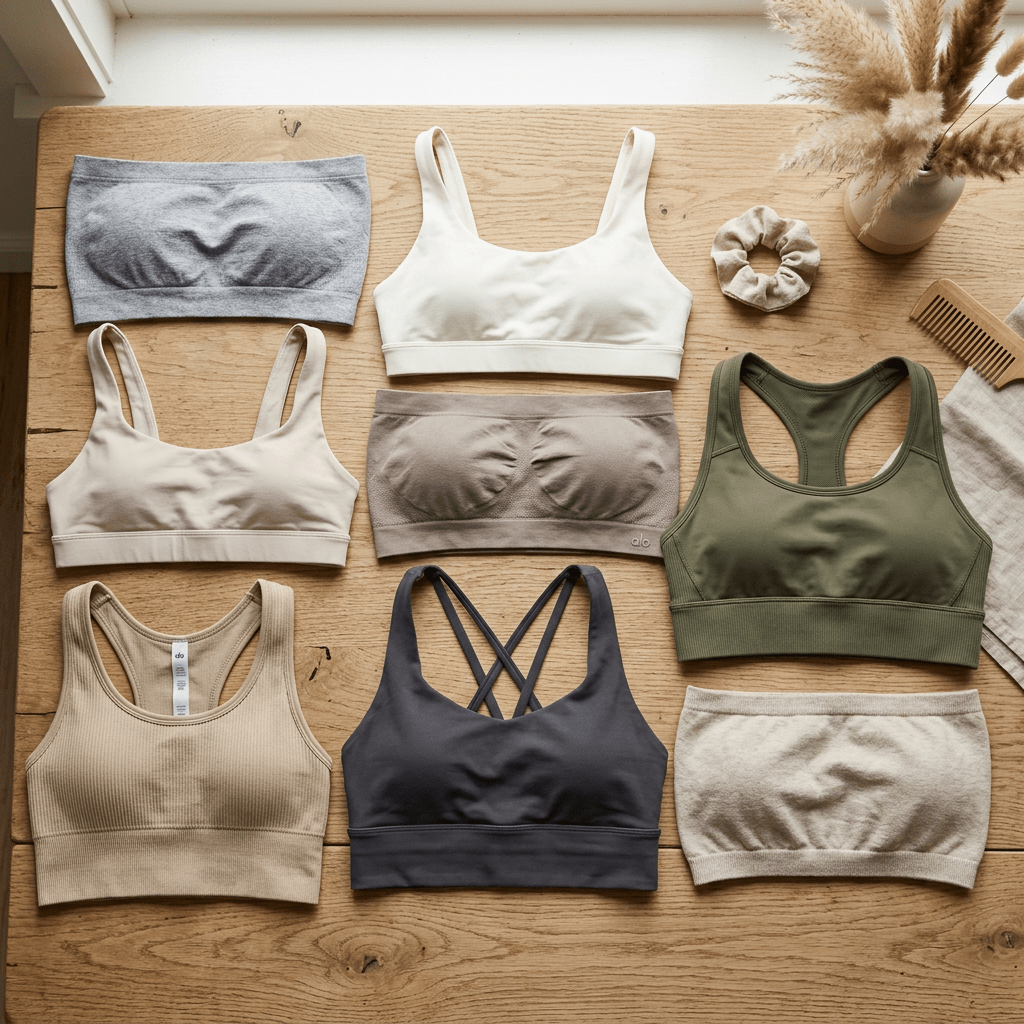
    Instead, we are out here living our best soft-girl lives in cute little bandeaus, buttery-soft sports bras, and those barely-there bralettes that feel like a gentle hug from a cloud rather than a structural engineering project. No more wires digging into our ribs (I have a large ribcage!) like medieval torture devices. No more adjusting straps in public like a nervous tic. We are free-boobing it through Zoom calls, grocery runs, and yes, even date nights if the vibe is right (plus, my man enjoys my itty bittys).

    Let’s be real—this shift is not just about laziness. It is a quiet revolution.

    Society spent decades telling us our boobs needed to be contained, supported, weaponized. Push-up bras. Minimizer bras. Convertible bras with more hooks than a slasher film. We bought into the lie that comfort was secondary to looking “put together.” All for the boys to pay attention to us. That a proper lady had to have everything strapped down and presented like gift-wrapped perfection.

    Then came the pandemic. Sweatpants became uniforms. Loungewear went mainstream. And suddenly, we realized something revolutionary: our boobs do not actually need constant structural support to be valid. They are not structural hazards waiting to collapse. They are just… there. Soft, warm, part of us. And when we stopped squeezing them into unnatural shapes for eight hours a day, the world did not end. In fact, it got better. For me, nothing changed whether there was a pandemic or not. So I was free- boobing before it was “cool”.

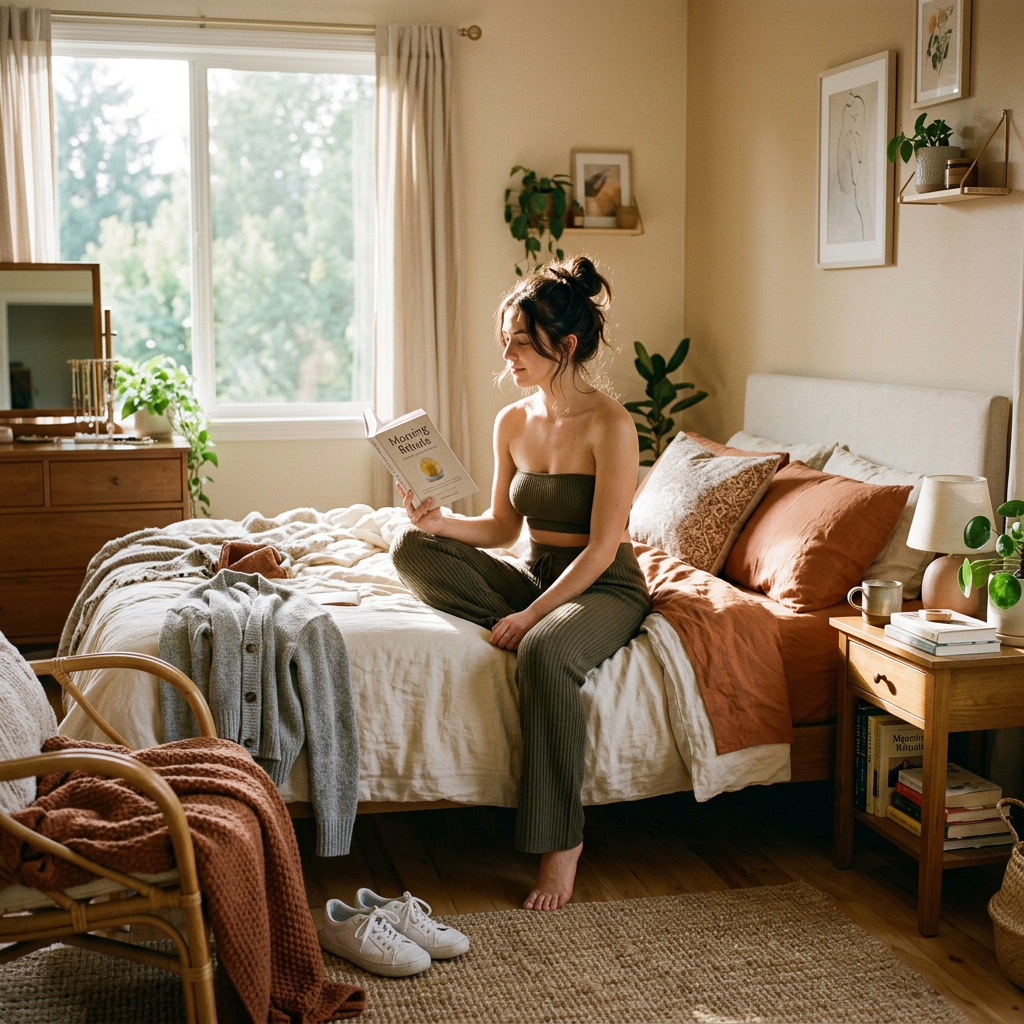
    Woman sitting cross-legged on bed reading a book in cozy bedroom with natural light
    A woman enjoys a quiet morning reading a book in a sunlit bedroom.

    We discovered the joy of the bandeau—that rebellious little tube top that says, “I’m cute, I’m comfy, and I’m not apologizing for jiggle.” Sports bras that handle actual movement without turning us into armored tanks. Wireless wonders that whisper sweet nothings like, “Girl, breathe.”

    And let us talk about the knowledge gap. Ask a group of women their bra size today and watch the panic. “Umm… medium? Whatever fits” We have stopped obsessing over the numbers because the numbers were always a scam anyway. Bra sizing is notoriously inconsistent across brands. One store’s 32C is another’s 34B. It was all smoke, mirrors, and marketing.

    Ditching the heavy-duty bra is not just about comfort. It also is about reclaiming ownership of our bodies in a world that has long tried to dictate their shape, size, and presentation. I personally prefer being on the Itty Bitty Titty Committee , but advertisements and media companies love to shove triple Ds and Sydney Sweeney in my face…

    We are done performing for the male gaze with engineered cleavage. Done pretending that underwire equals empowerment. The free-boob movement—yes, I am calling it that—feels like the only level of body positivity I accept. It says: my breasts do not need to be edited, lifted, or minimized to be worthy.

    Of course, not everyone is on board. Older women clutch their pearls. The fitness bros complain about the materials in said bras. Some days even I miss the old sculpted look, but mostly I love sliding into a soft bralette and feeling like my natural body is enough.

    We traded poking and prodding for stretchy, breathable freedom. And I do not think we are going back.

    So next time you catch yourself reaching for that lacy, restrictive contraption out of habit, ask yourself: Do I really need this? Or am I just performing femininity from 2007?

    Throw on the bandeau. Rock the sports bra. Let them breathe.

  • Celebrating Russia’s Victory Day in America: A Day of Remembrance Across Borders

    Celebrating Russia’s Victory Day in America: A Day of Remembrance Across Borders

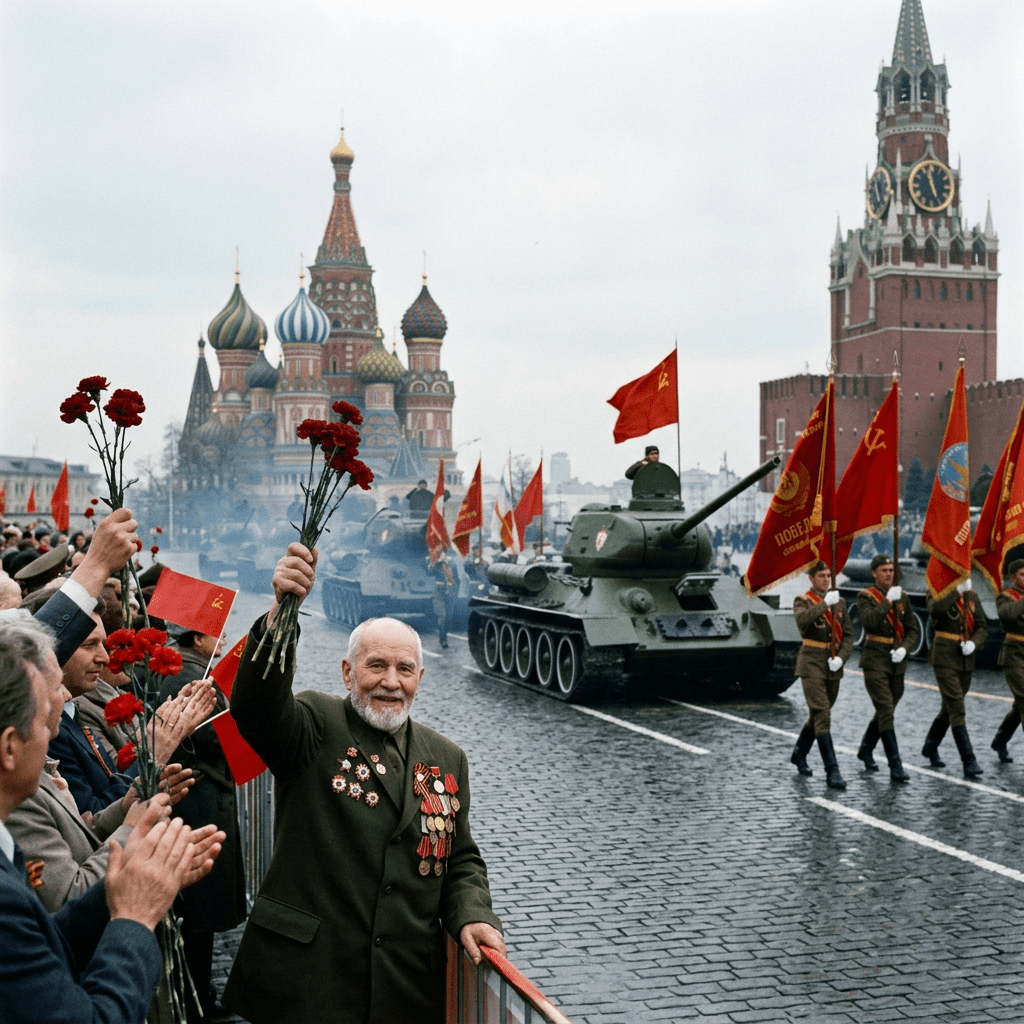
    Every year on May 9, Russia and many post-Soviet nations (Ukraine…) pause to mark Victory Day (Den’ Pobedy), commemorating the Soviet Union’s hard-won triumph over Nazi Germany in World War II.

    While the grand military parades unfold on Red Square in Moscow, Russian-American communities across the United States quietly yet passionately observe this solemn holiday in their own way—blending deep historical pride, family stories, and cultural traditions on American soil.

    The Historical Significance

    Victory Day honors the immense sacrifices of the “Great Patriotic War.” The Soviet Union lost an estimated 27 million lives—soldiers and civilians alike—in the brutal fight against fascism. The German surrender was signed late on May 8, 1945 (Reims time), but due to the time difference, it became May 9 in Moscow. What began as a Soviet holiday gained renewed importance under leaders like Leonid Brezhnev and has become Russia’s most sacred secular observance under Vladimir Putin.

    In the U.S., where V-E Day (May 8) is acknowledged more quietly as part of the broader Allied victory, Russian immigrants and their descendants often frame May 9 as a personal and communal tribute to ancestors who fought, endured, or perished. It is less about geopolitics and more about remembering the human cost and the resilience of families.

    How Russian-Americans Celebrate

    Russian communities in places like New York, Boston, Los Angeles, Seattle, and smaller hubs turn out for events that feel both intimate and vibrant:

    • Community Gatherings and Veteran Honors: Elderly veterans or their descendants don medals and share stories at Russian community centers. In Lynn, Massachusetts, for example, the Russian-Jewish community has long gathered at places like the “Care” center for celebrations that mix food, music, and reflection.
    • The Immortal Regiment: This moving worldwide tradition sees participants carry portraits of relatives who served. Marches have taken place in Washington, D.C., and other U.S. cities, creating living tributes that connect generations.
    • Cultural Performances: Expect wartime songs like “Katyusha” (my namesake!) or “Den’ Pobedy,” folk dances, poetry readings, and screenings of classic Soviet films. Orange-and-black St. George ribbons—symbols of military glory—appear on lapels and car antennas.
    • Parades and Rallies: Smaller processions or embassy-adjacent events sometimes occur, though they can draw counter-protests amid current events. The focus for most remains personal remembrance rather than spectacle.

    Many celebrations include traditional Russian foods: borscht, Olivier salad, blini, and toasts with vodka (or champagne or wine for the ladies) to the fallen and the veterans. Younger generations often participate through school projects, social media posts of family photos, or visits to local WWII memorials.

    A Bridge Between Histories

    America itself played a crucial role in WWII through Lend-Lease aid to the Soviets and joint Allied efforts. Some older celebrations even featured moments of shared history, such as U.S. troops marching in Moscow parades in past decades.

    For Russian-Americans, Victory Day offers a way to honor one heritage while fully embracing life in the United States. It is a day of gratitude for survival and freedom, even as it carries the weight of loss. In an era of complex international relations, these community observances often emphasize universal themes: the horror of war, the value of sacrifice, and the hope for peace.

    Why It Matters in America

    Celebrating Victory Day in the U.S. highlights the richness of immigrant stories. We do not have family here, so celebrating this day with my family can be a powerful act of solidarity with the Greatest Generation—on both sides of the former Iron Curtain— even though we just have family friends over to drink.

    Thus, history lives on through the people who remember it.

    С Днём Победы — Happy Victory Day. May the lessons of the past guide us toward a better future.

  • Walking Ten Feet at a Time: My Daily Dance with Recovery

    Walking Ten Feet at a Time: My Daily Dance with Recovery

    Every single afternoon, after the nap my body demands like a stubborn toddler, I film myself walking. It is only about ten feet. To most people, that probably looks like nothing at all. But to me, those ten feet are everything. A step closer. They are proof that I am still moving forward—literally—one brave, wobbly step at a time. It feels incredible.

    My days start brutally early. I am up at 4 a.m., already chasing the version of myself I desire. By the time lunch is over, my body is spent from the morning’s workout and the constant grind of rehabilitation. My eyes grow heavy, my muscles scream for mercy, and I surrender to the bed like a little baby who earned her nap time. I used to fight it, but I learned to listen. The nap is not weakness; it is fuel. When I wake up an hour or two later, something magical happens. Energy surges back. Determination reignites. And suddenly I am excited—actually excited—to challenge myself again.

    That is when I head to the back deck.

    I strap on my brace even though I hate it. Most days I go without, stubborn as hell, refusing any device that reminds me I am not “normal” yet. But when I am about to push my limits, safety first applies (*eye roll*). The deck has a sturdy railing on one side—my own private parallel bar. I used to grip it at first, today I just walk along it slowly, no longer feeling the wood warm under my palm. At the end of the railing, I just stand there, working on my balance. Feet planted, core engaged, eyes focused on a spot in the distance (the heating lamp usually). The world narrows to that single task: don’t fall.

    I film every attempt. Sometimes it is a clean walk. Sometimes it is shaky. First, my left (weak) leg pushes forward. That is the easy one. I do not need balance or strength help on this side, but then I have to shift onto this weak side and move my right leg forward. Sometimes the left side refuses to hold me up. Sometimes I end up on the ground. I have fallen more times than I can count out there—head cracking against the deck, shoulder slamming into the wall. Each bruise is a story. Each tumble is data.

    I send the videos to my boyfriend anyway. I do not even know if he is watching them but the simple act of having an audience changes everything. It turns a lonely struggle into a performance. It makes me bolder. I love showing off for him. There is something powerful about letting the person you love witness your rawest, most determined moments.

    I remember the early days when I had to clutch that railing for dear life, knuckles white, heart pounding. Letting go felt terrifying—like stepping off a cliff (hence why I wear my brace out there— in case my weak side refuses to hold me upright). But I did it anyway. Because I want this more than I fear the falls. I want to walk across a room without thinking. I want to stroll through a park holding his hand instead of a cane or brace. I want zero differentiation between me and everyone else. No explanations. No pitying glances. Just me, moving through the world the way I used to—freely, confidently, joyfully.

    This recovery is not linear. Some days the ten feet feel like a marathon. Other days I surprise myself and push for more. The falls rarely happen anymore , but they sting a little less because I know they are temporary. Every time I stand back up, dust myself off, and hit record again, I am rewriting my story.

    Small steps matter. Naps are not laziness; they are strategy. Now I see that my stubborn refusal to stay down is beautiful. I keep filming. Keep showing off. Keep chasing the version othat refuses to be defined by limitations.

    I am not there yet. But every afternoon, after my nap, I get a little closer. Ten feet at a time.

    And it feels amazing.


    I am already dreaming bigger—longer distances, no railing, maybe even a real walk around the block. I will keep sharing the journey here, bruises and all.

  • A League of Their Own: Reimagining Feminism

    A League of Their Own: Reimagining Feminism

    In a world drowning in performative activism and corporate girlboss-ness, I find myself returning to one movie that actually gets feminism right: Penny Marshall’s 1992 classic A League of Their Own.

    The film does not lecture you. It does not scream about the patriarchy or demand that you affirm anyone’s feelings. Instead, it shows women rolling up their sleeves, stepping onto the baseball diamond, and proving they belong—not because someone owed them a spot, but because they earned it through talent, grit, and sheer stubbornness.

    Real Empowerment, No Victimhood Required

    Set during World War II, A League of Their Own tells the story of the All-American Girls Professional Baseball League. With the men off fighting, these women were not waiting for permission or special treatment. They tried out, competed fiercely, and played real baseball in front of skeptical crowds. The movie nails the tension between traditional expectations (“be ladylike!”) and the raw reality of sliding into bases, spitting tobacco, and throwing like you mean it.

    The women face ridicule, ridiculous uniforms, and mandatory charm school, yet they respond by getting better at the game. That is the kind of feminism worth celebrating: one that expands opportunity through excellence rather than lowering standards or rewriting rules.

    Tom Hanks delivers one of his most quotable performances as Jimmy Dugan, the washed-up, foul-mouthed and drunken manager who starts off dismissive of his new team. He dives into his arsenal of acting skills and proves to one of the greatest/ all encompassing talents to watch. His arc from cynical has-been to proud coach is pure gold, and his legendary “There’s no crying in baseball!” rant remains one of the funniest moments. Hanks does not mansplain or apologize for his initial attitude—he grows because the women force him to see their competence. It is organic character development, not a scripted takedown of toxic masculinity (because clearly there is no such thing!).

    The supporting cast is stacked in the most 90s way possible. Madonna as “All the Way” Mae brings swagger and showmanship, and Rosie O’Donnell as Doris provides heart and humor. Watching them now is oddly nostalgic—they were vibrant, funny, and unapologetic without being cringe with the heavy ideological baggage they now adopt. It is a reminder of a time when pop culture could just be fun instead of a constant sermon.

    The whole ensemble feels like a genuine team. These characters have flaws, rivalries, and personal stakes, but they are never reduced to their gender or used as props for a message. The feminism emerges naturally from the story: women being capable, competitive, and resilient when given the chance. Not women who think that they are superior to men.

    A League of Their Own celebrates women’s strength without tearing down men or pretending biology does not matter on the field (obviously women sports are not as competitive/ popular as men’s and that is OK). It shows sisterhood that includes healthy competition. It acknowledges hardship, (as the whole reasoning behind this team is the separation from loved ones during war) without wallowing in it. It is, thus, extremely patriotic—Most importantly, the women win respect by playing well, not by demanding it (*cough, cough * Women’s USA Soccer Team).

    In contrast to today’s discourse, which often frames women as perpetual victims needing protection from “the system,” this movie says: Here is an opportunity—go seize it. And they did. The real AAGPBL players inspired the film, and their legacy still feels refreshing thirty-plus years later.

    If more modern feminism looked like the Rockford Peaches—tough, talented, and focused on achievement rather than outrage—I suspect a lot more people would get on board.