The Paradox of American Self-Loathing: Hating the Country While Living (and Thriving) in It
I live in Washington State, so I am very aware that many people love to hate on this country while living in it. You see it everywhere—from social media rants and campus protests to the floor of Congress. Politicians, pundits, academics, and activists routinely describe the United States as “utterly racist,” “systemically sexist,” or irredeemably oppressive. They do this while enjoying the safety, prosperity, legal protections, and opportunities that few nations in human history have matched.

If the country were truly as broken as the rhetoric claims, why stay? We know a few Russian/ Americans who do this and I just want to tell them to leave…Why not emigrate to one of the many places that supposedly handle race and gender “better”? The answer, of course, is that deep down most people know the truth: America, for all its flaws, remains one of the best places on Earth to live—especially if you want freedom, economics, and the right to complain loudly about it.
Critics love to focus on remaining disparities. Those exist. But they rarely acknowledge how far we have actually come in a remarkably short time.
Compare this to global reality. Many countries still have formal legal discrimination against women, ethnic or tribal violence, caste systems, or severe restrictions on speech and movement. Some people (including me) think that this country has taken equality a little too far. The United States ranks imperfectly on some international indices of “equal treatment,” but it allows open criticism, protest, and legal recourse in ways that are rare or nonexistent elsewhere. People from every corner of the globe have been seeking entry here—not the reverse.
Many of the loudest voices—especially politicians and cultural elites—thrive under the very system they condemn. They live in safe, affluent areas (often in progressive strongholds like parts of Washington State), send their children to excellent schools, enjoy world-class healthcare and technology, and wield real power. Yet they frame America as a perpetual oppressor narrative that justifies endless grievance and policy intervention.
In Washington State specifically, you see this tension up close. It is a deep-blue state with progressive policies on wages, environment, and social issues. Seattle, in particular, has poured enormous resources into homelessness programs—over a billion dollars in some periods—yet visible encampments, open drug use, and related crime persisted as major challenges for years. Progressive approaches emphasizing “housing first” and reduced enforcement faced pushback as outcomes lagged.

National politicians from both parties sometimes criticize aspects of America, but the specific “utterly racist and sexist” framing tends to come from one side. It serves a political purpose: it mobilizes voters, justifies expansive government programs, and signals moral virtue in certain circles. The problem is that it often flattens nuance. It treats every disparity as proof of ongoing systemic malice while downplaying culture, family structure, behavior, individual choices, and group differences in outcomes that exist even in the most egalitarian environments.
America’s genius has always included the freedom to criticize itself. That self-scrutiny helped drive abolition, suffrage, civil rights, and other reforms. But there’s a difference between constructive criticism aimed at improvement and a reflexive “America is the problem” posture that ignores context and progress.
If the country were as irredeemably racist and sexist as claimed, the data on attitudes, legal equality, and outcomes would not show such dramatic improvement. Persistent gaps deserve honest examination—without the hyperbole that turns every statistic into proof of eternal villainy. Cultural and behavioral factors matter alongside any remaining bias. Pretending otherwise doesn’t help anyone.
As a Washington resident surrounded by both stunning natural beauty and the realities of urban policy experiments, I see the value in clear-eyed realism. Love of country does not require ignoring flaws (same with love of people). It means recognizing that this imperfect experiment in self-government has delivered unprecedented freedom and opportunity to more people than almost any alternative in history.
The people who most loudly proclaim America’s total moral failure while enjoying its fruits are often the ones least willing to acknowledge how good they have it—or how much progress has already occurred. Gratitude and ambition can coexist. We can demand better without pretending the foundation is rotten.
America is not perfect. No country is. But the constant “utterly broken” narrative from people who choose to stay, succeed, and raise families here rings hollow.
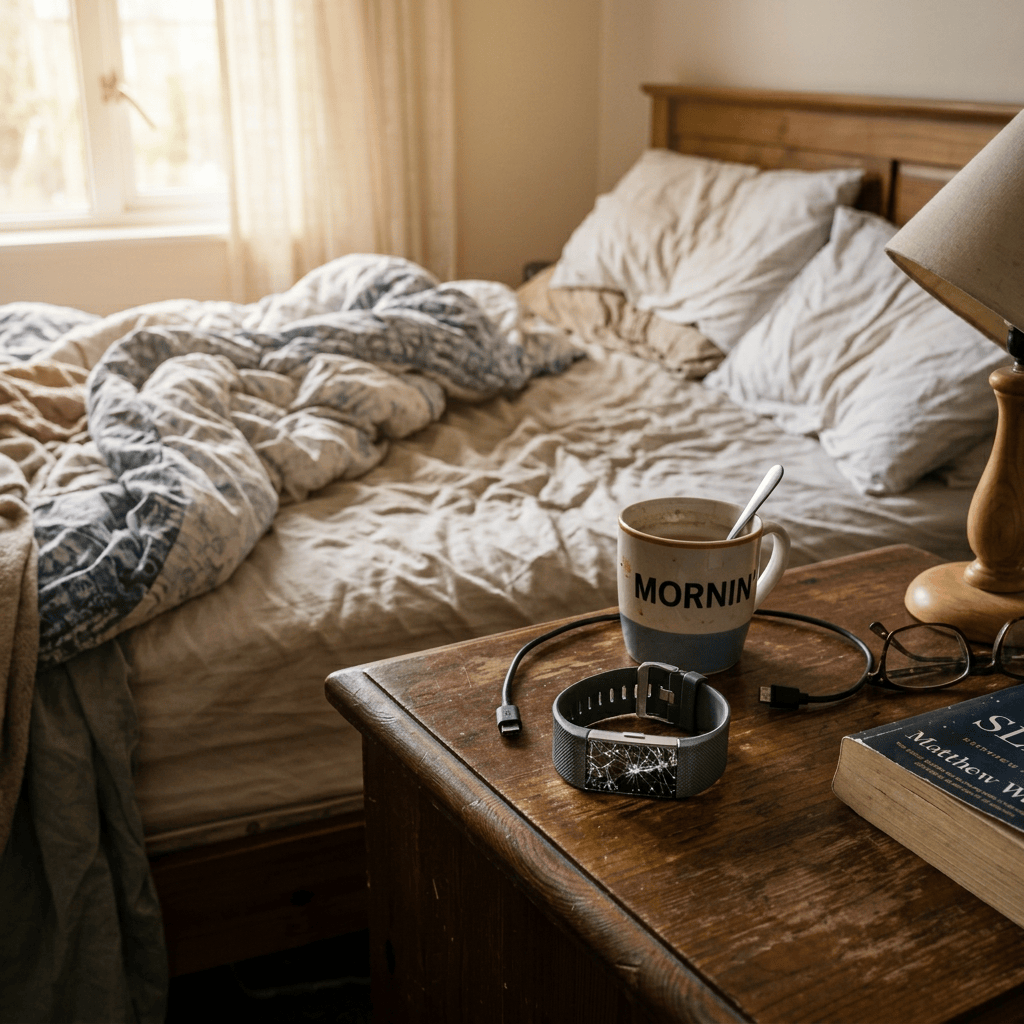
Hit 5,000 steps today and drop your achievement here — we’re cheering you on!
I cannot stand the numbers. Not the step counts, not the graphs, not the glowing little rectangles on everyone’s wrist telling me whether I “performed” as a human last night. They are ugly, they are loud, and they lie. They turn the only thing that actually matters—how your body feels when you open your eyes—into a report card written by engineers who have never had to relearn how to stand up.
If I wake up and feel like I could take on the day, that is a good sleep. Full stop. I do not need some algorithm to grade my brainstem on a scale of 1–100. I lived through the real thing. I know what broken feels like.
The same rule applies to movement. You do not need 10,000 steps to prove you are alive. You need to get your body off the chair and into the world in whatever broken, limping, half-assed way it currently allows. Sitting in front of a screen all day while your legs atrophy is not natural. It is slow suicide dressed up as “work.” I know, because I did it for years. College turned into a black hole of heartbreak and takeout containers. I ballooned to more than twice the size I am now. No one was tracking my steps back then either. The only metric that existed was the mirror and the way my clothes stopped fitting.
When you cannot move more, you eat less. That is not complicated math. That is survival. Bodies are built in the kitchen long before they are ever sculpted in the gym. I dropped over a hundred pounds while completely sedentary, because I decided the fork was the only variable I could still control. Willpower is not some cute hashtag. It is the ugly, daily choice to put the food down when every instinct is screaming to numb the pain with it. I did that. No app congratulated me. No little trophy popped up on my phone. Just me, in a body that finally felt like mine again.
Brainstem hemorrhages do not mess around. Ninety percent (90%) of people who get them die. I lived. Barely. And every single day since has been a negotiation with a nervous system that still thinks it is under attack. People love to throw the word “lazy” around like it is some moral failing instead of a medical reality. They have no idea what it costs just to exist in this body right now—how much energy it takes to simply stay upright, to speak without slurring, to keep the depression from swallowing the progress. Calling that lazy is not just ignorant. It is cruel.
Whether it is a relationship, a recovery or just a pair of skinny jeans, you should never have to force it. Anything. It is not lazy when you are simply putting your trust in the universe’s power to turn life around while also standing up as much as possible and walking around (with help). The universe responds to our vibrational energy not by how much energy and force we exert.
So no, I am not hitting 5,000 steps today. I am moving as much as this body will safely allow and eating like someone who respects the fact that food is fuel, not therapy. That is the entire program. No pretty graphs. No weekly reports. No optimization.
The quantified-self crowd wants you to believe there is an optimal human being and that their little devices will show you how to become it. What they never tell you is that the second you hand your body over to the data, you stop listening to the only sensor that actually matters: the one between your ears and under your ribs. That sensor is loud, it is inconvenient, and it does not come with a subscription. But it has kept me alive through things that should have killed me.
So keep your ugly wrist device. Keep refreshing your sleep score. I will be over here working on my body until it begs for sleep,; deciding how I feel, moving what I can move, and eating like my life depends on it—because it does. The numbers never saved anyone. The quiet, stubborn decision to keep going when every metric says you should not have survived is the only score that has ever mattered.
PS I am taking some much needed personal time. My man is coming over for a couple weeks and I am devoting every second to him. It is such an honor to dedicate myself to my man. This has become a major part of “getting my life together.” Track that.
“Self-care” has become a buzzword. Bubble baths, face masks, green smoothies (I personally prefer an iced coffee!), and “treat yo’self” mantras. There is nothing wrong with these things—they can actually make you very happy. But many people are discovering that surface-level self-care is not enough. Getting your nails done and a smoothie is a great treat — but will do nothing for your stress and anxiety levels. Most people are exhausted, restless, or quietly unfulfilled even after checking all the wellness boxes. That is where soul care comes in.
Self-care and soul care are not opposites. They are partners. One tends to the body and mind; the other nourishes the deepest part of who you are.
Self-care is the practical maintenance of your physical and mental health. It is the everyday-important maintenance necessary to keep your human body functioning:
Some people see these actions as soft, but: self-care is accessible, measurable, and often immediate in its results. A good night’s sleep or a walk outside can shift your mood and energy quickly.
However, it can just be superficial. You can drink all the celery juice in the world and still feel empty if you are ignoring bigger questions about meaning, purpose, or connection.
Soul care is the intentional nurturing of your inner life—your spirit, values, sense of purpose, and connection to something larger than yourself. It is less about doing and more about being.
Soul care asks deeper questions like “am I living in alignment with what truly matters to me?” and “where do I find meaning?” How are you caring for your relationships (what truly matters to me) and your creativity etc?
These questions can be answered by prayer or meditation. Ultimately you need to be fully present— thus you can ask these questions during the time you spend in nature or your creative expression (music, art, writing, even reading some kind of wisdom— maybe even some poetry).
Soul care addresses the root causes of burnout and emptiness. This is why most are now opting for easier and more peaceful lives. It builds resilience that lasts beyond whatever happens next in your life
Soul-care can feel vague or inaccessible if you are in survival mode. You sometimes need self-care (rest, nutrition, safety) before soul care can be achieved.
Most people need both, you need to think of yourself as a three-part being: body, mind, and soul. Neglect any part and the whole suffers: you can have glowing skin and perfect sleep but still feel like something essential is missing and you can have profound spiritual experiences but crash hard if you are not eating or sleeping (this one kind of hits).
Someone in a season of grief might find that bubble baths do not touch the ache, but journaling prayers, walking in the woods, or gathering with loved ones for honest conversation begins to heal the soul.
Start small. Soul care does not require a retreat in Bali (though those can be wonderful). It can happen in ten quiet minutes before bed.
Self-care keeps the lights on. Soul care makes the house a home.
You do not have to choose. Begin where you are. If you are burned out, lean into self-care. Then you can let soul care deepen the work.
The most beautiful lives are never just productive or Instagram-perfect—they are integrated. Healthy bodies and minds supporting rich, purposeful souls.
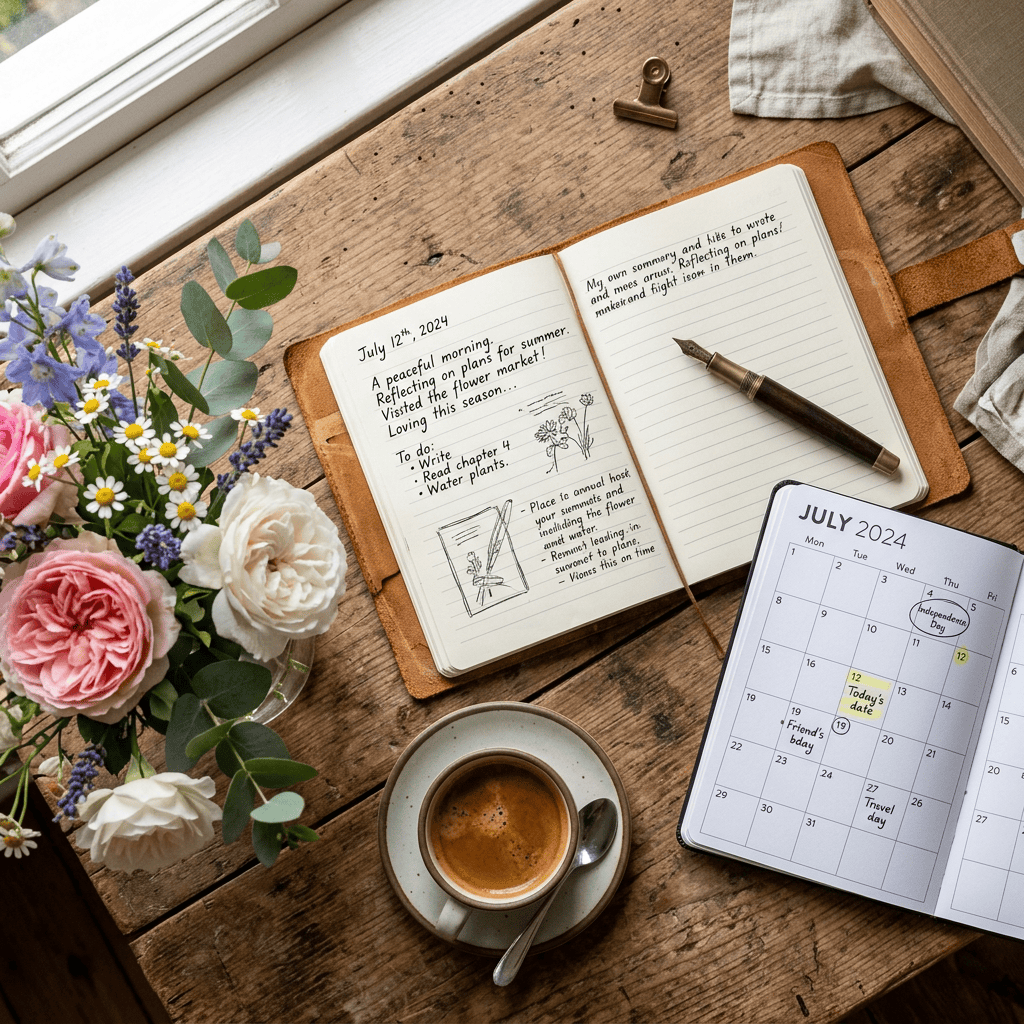
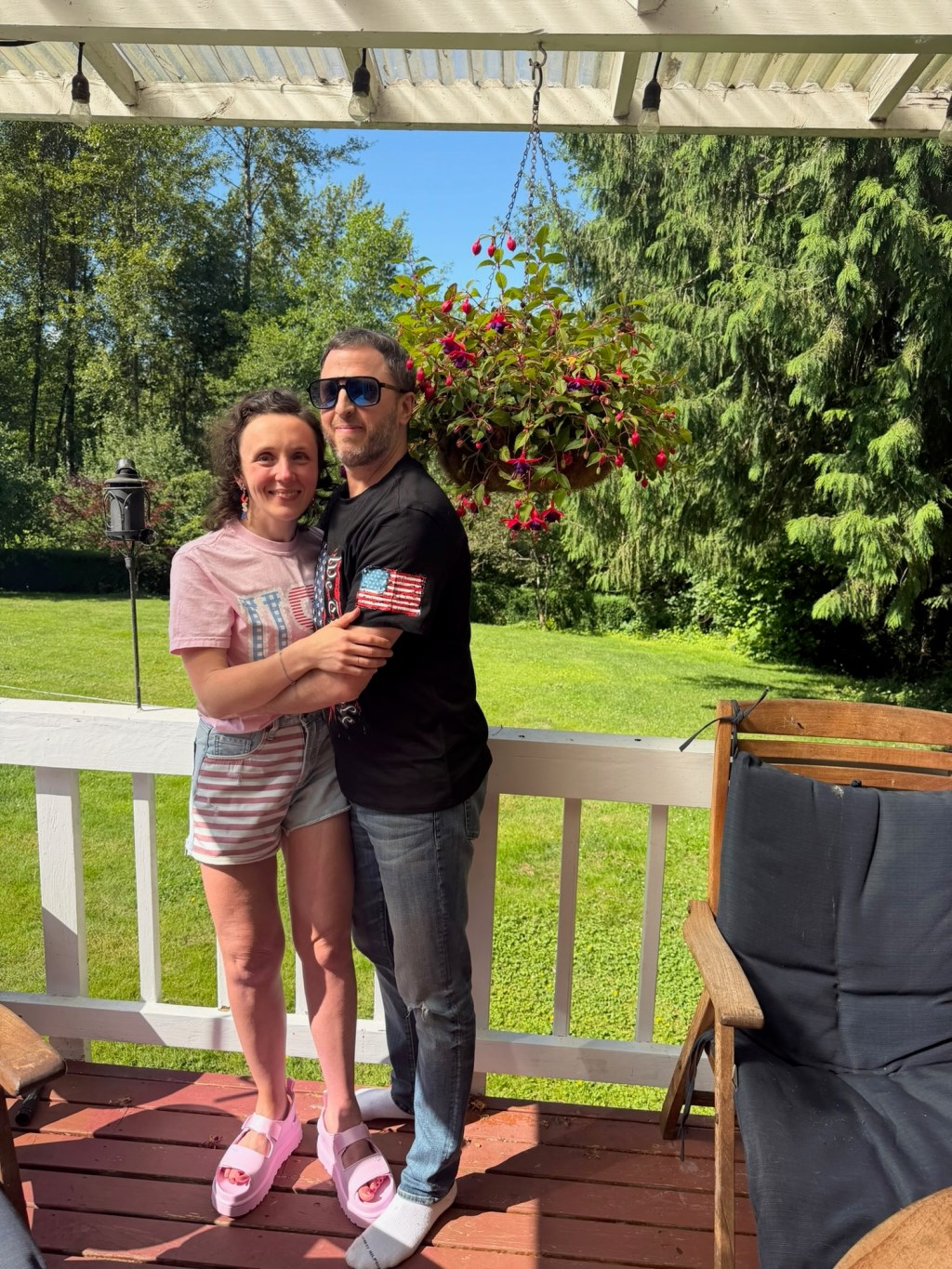
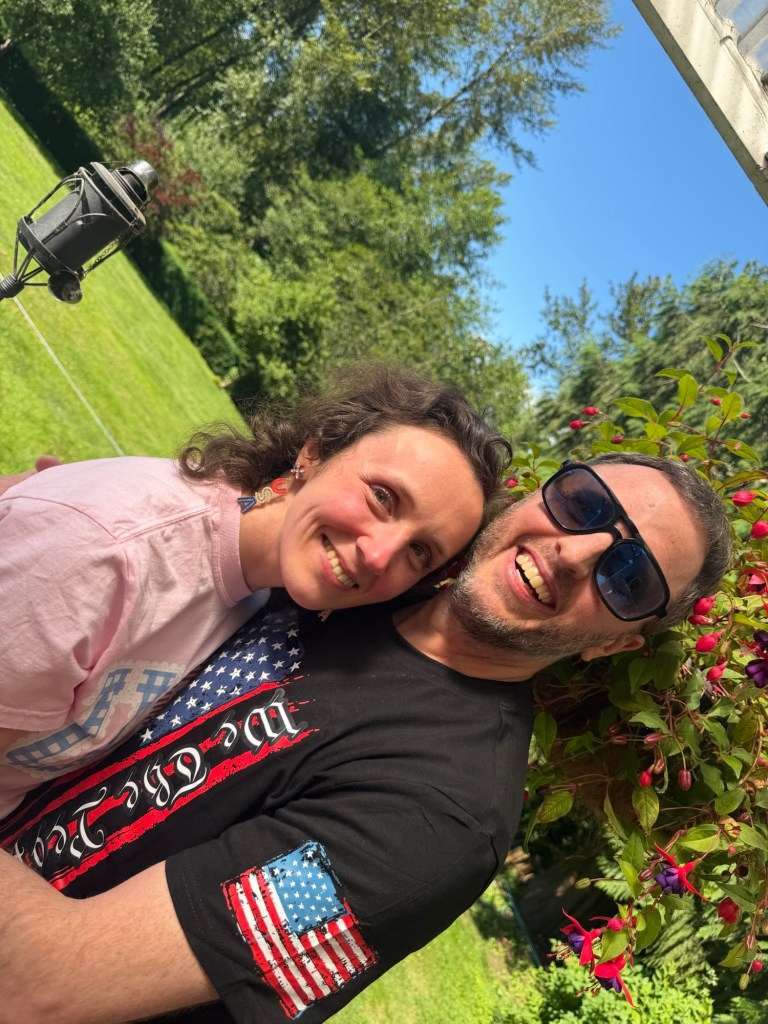
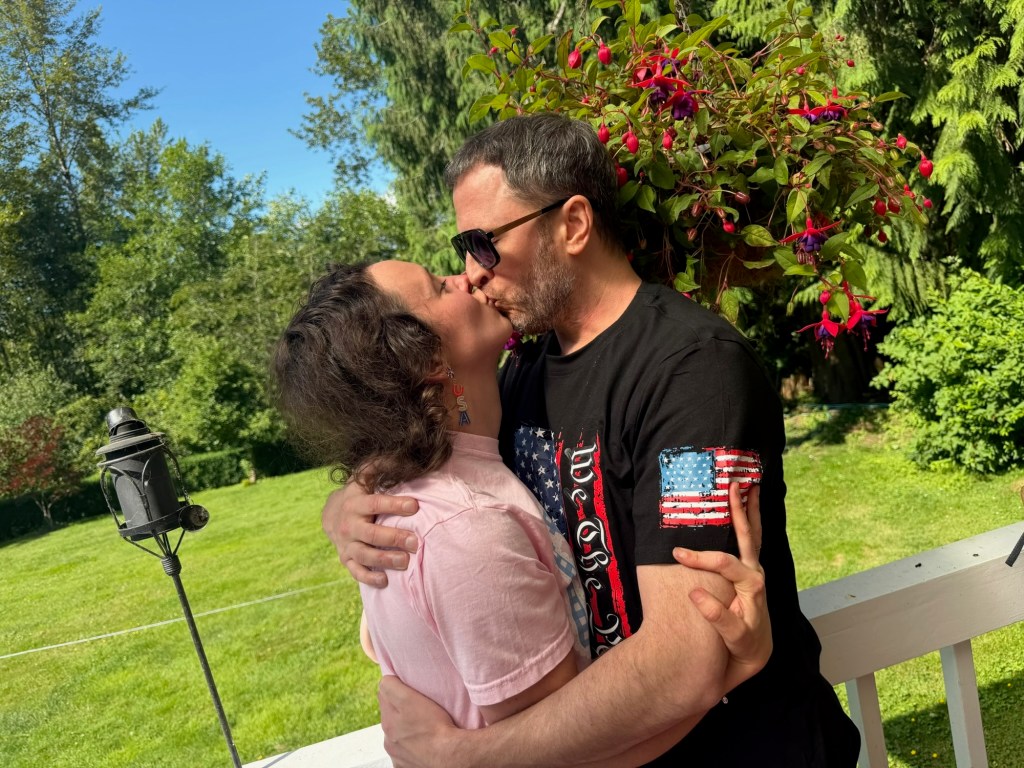
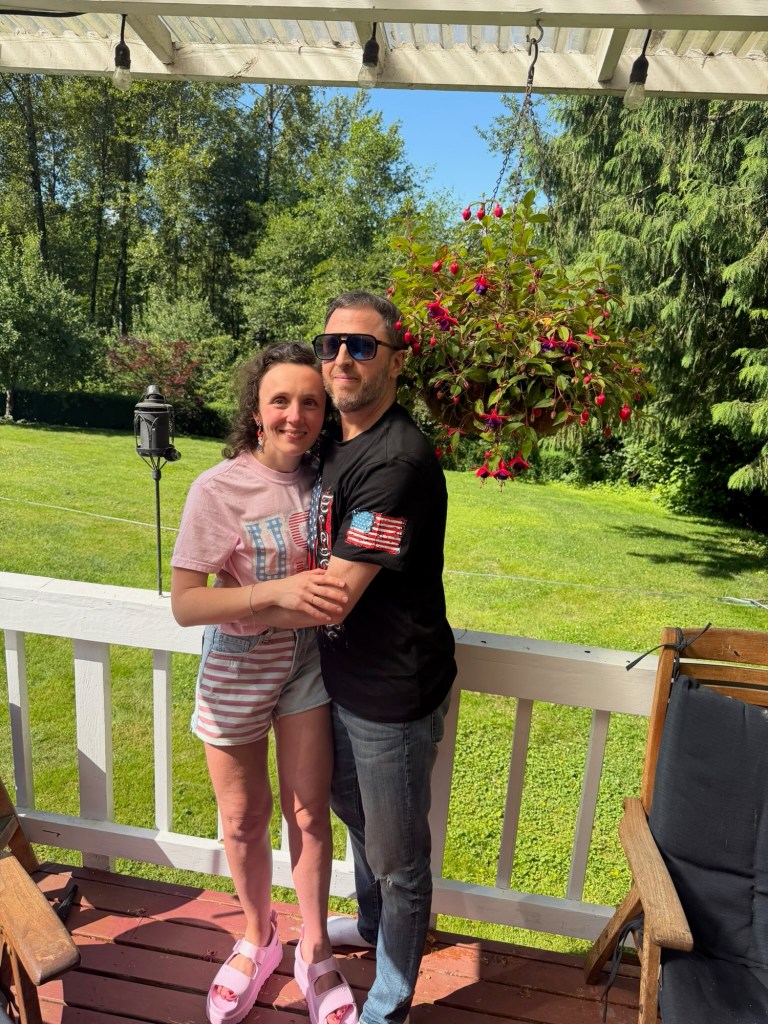
Happy New Month (My boyfriend and I “met” online in July 2019!)— and what a glorious one it is. July has arrived, wrapped in sunshine, fireworks, and the promise of long, lazy days that somehow still feel full of possibility. I have to confess: I am a complete sucker for new beginnings. There is something electric about flipping the calendar page, whether it is January 1st, the first day of a new venture, or simply the dawn of a fresh month. It is like the universe hands you a blank page and whispers, “Go on… write something beautiful.”
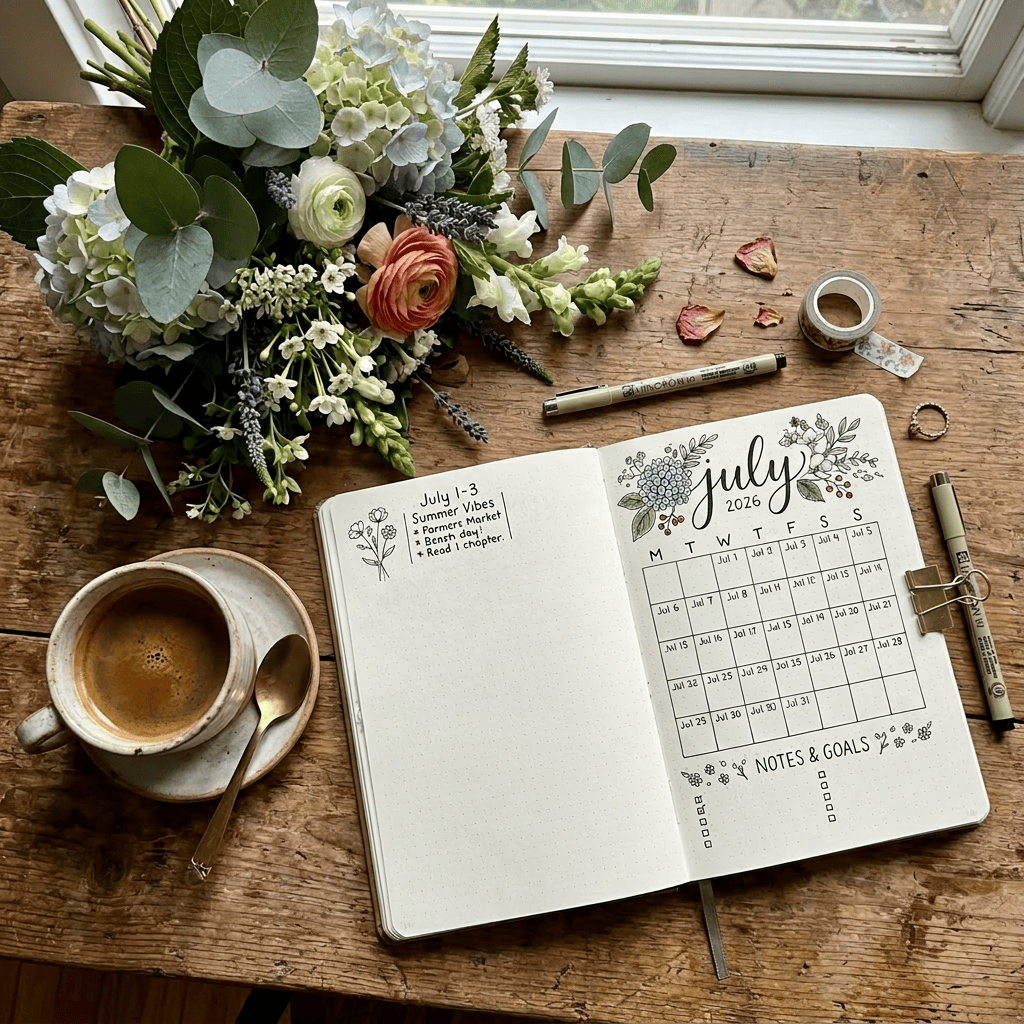
July feels especially generous with those fresh-start vibes.
Did you know that July 2 is the exact midpoint of the year? In a non-leap year like this one, there are 182 days before July 2 and 182 days after it. Day 183 sits right in the sweet spot — perfectly balanced between what has been and what is yet to come.
Think about that for a second. We have already lived half the year. Six full months of memories, challenges, victories, quiet mornings, late nights, laughter, and unfortunately a few tears. And now we are at the center, looking back at January through June and forward to the remaining six months with equal perspective.
It is the perfect time for a gentle mid-year check-in: What do you still want to create in the second half of 2026?
You do not need grand resolutions or complicated goal spreadsheets. Sometimes the most powerful thing is simply taking a quiet moment to acknowledge where you are. July 2 gives us that beautiful symmetry —
As for my goals: I know that I am about to try new recipes and make housewifery (yes, I made that one up) a new hobby of mine. Eventually I will start writing the book I have always been meaning to. I will also commit to more evening walks as the sun sets later and later. But alas I am not able to flip a switch and make these goals and changes imminent. For now, I will simply give myself permission to rest and enjoy the season.
New beginnings have this incredible way of resetting our energy. Even if life has felt heavy or stagnant in recent months, a new month — especially one as vibrant as July — carries an unspoken invitation: You can begin again right here.
There should be no pressure to “reinvent” yourself overnight. New beginnings are gentler than that. They are about momentum, not perfection. About showing up with a little more hope than you had yesterday.
As I cross this invisible midpoint, I want to carry a spirit of playful curiosity into the rest of the year. Summer has a way of loosening schedules and opening hearts. Let the warmth melt away old doubts. Let the longer days stretch my imagination.
So here is to July — the month of freedom, celebration, and golden-hour light (and even a golden year for America!). Here is to new beginnings caused by a brain injury and thus do not wait for January. So here I am, beautifully existing in the middle of a year, ready for whatever magic comes next.

P.S. If today feels like just another day, remember: every single morning is a new beginning too. But July 2 is special. Celebrate it.
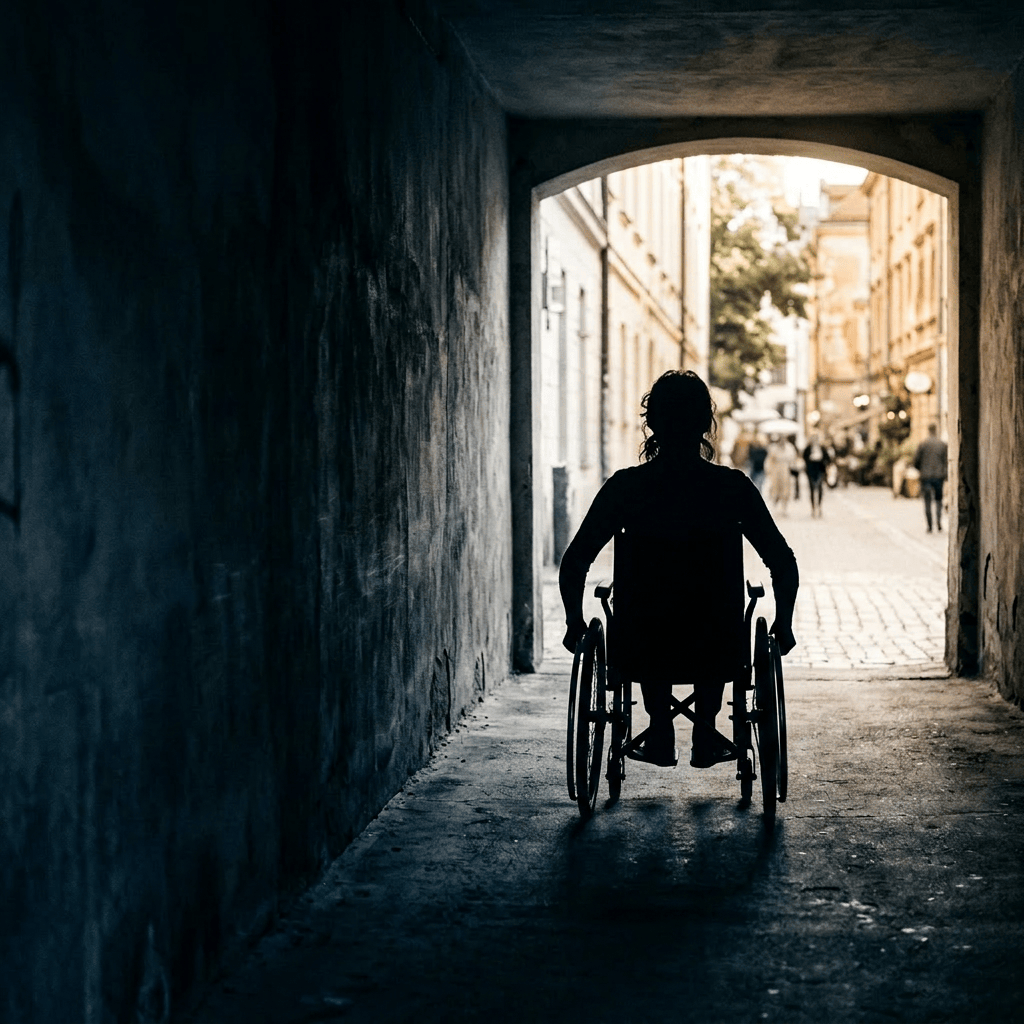
Today marks a day unlike any other in my calendar. It is my anniversary—not the kind with candlelit dinners and whispered sweet nothings (though we do plenty of that too)—but my second birthday. The day I chose, or rather, was given the chance to keep on living. This year, it is the sixteenth anniversary of the stroke that rewrote my entire story.
I still remember the moment with a clarity that surprises me. It was an ordinary evening, the kind where plans feel light and full of promise. I was supposed to go out to sushi with my girlfriends. Instead, I found myself clutching my phone, heart hammering, as an alarm louder than any fire siren screamed inside my skull. I called my parents first, my voice cracking with panic. “Something’s wrong,” I gasped. “It’s so loud in my head.” Then I fired off a quick text to the girls: Sorry, I can’t make it tonight. Not feeling well. I hit send, set the phone down, and the world went black.
I did not wake up for the next two weeks.
Those fourteen days were a blur I only know through other people’s stories—my parents’ exhausted faces at my bedside, the beeps of machines, having to be resuscitated back to life, the slow crawl back to consciousness. When I finally opened my eyes, everything had changed. My body felt foreign. (I thought it was a dream that I could wake up from, for another few weeks). My mind had to relearn basic things. The recovery stretched on for years: physical therapy, speech exercises, the quiet frustration of realizing my old life had slipped away while I slept.
The friends I texted that night? We drifted. Life has a way of pruning relationships that no longer fit the new version of you, and that is okay. I do not shoot off last-minute texts to that crew anymore. I just built a quieter, deeper connection since then.
But here is what I have learned after sixteen years: this day is not about mourning what was lost. It is about throwing the biggest, brightest celebration for what was gained.
Every year on this date, my boyfriend turns home into a sanctuary of joy. There are gifts—thoughtful ones that make me laugh and tear up in equal measure. He knows this day is sacred. Eventually we will sit together, most likely with coffee in hand or a special dinner on the table, and marvel at how perfectly the stars aligned in the aftermath of my darkest moment.
If that stroke had never happened, I would not have needed to switch to online school to finish my degree on my own timeline. I would not have taken that Communications class where the professor required us to create a Twitter account for the semester. That account—meant to be a temporary school project—became the bridge that carried me straight to him.
I was deep in my Boston sports and controversial era back then, posting passionately about teams I had only ever watched on TV and opinions that I was no longer afraid to share. Admittedly I became kind of “bitchy.” I had never set foot in the city, but my feed was full of red, blue and silver, stats, and unfiltered excitement. He noticed. I messaged. What started as playful banter about games and rivalries slowly unfolded into something real, something lasting.
At the same time, I was quietly reinventing myself. The long recovery gave me time to reflect on what kind of woman I wanted to be. I studied the art of keeping a home—not out of obligation, but out of love. I learned to create peaceful spaces, to put the man I loved at the center of my efforts without losing myself. I trained myself in patience, in thoughtfulness, in the small daily acts that say “you matter” louder than any grand gesture. And somehow, in doing so, I became exactly the person capable of attracting and holding onto a love like his.
We talk about it often—how my greatest trial became the unlikely matchmaker for our story. Without that terrifying night, without my ultimate bitter and bitchy heart, without the years of healing, without the pivot to online classes and that single Twitter assignment, our paths might never have crossed. I would not be here, in this beautiful life, celebrating sixteen years of survival and counting.
Before I met him, I was constantly reminded that I was not good enough (hence the bitchy-ness)… Now I am all about loving and celebrating!
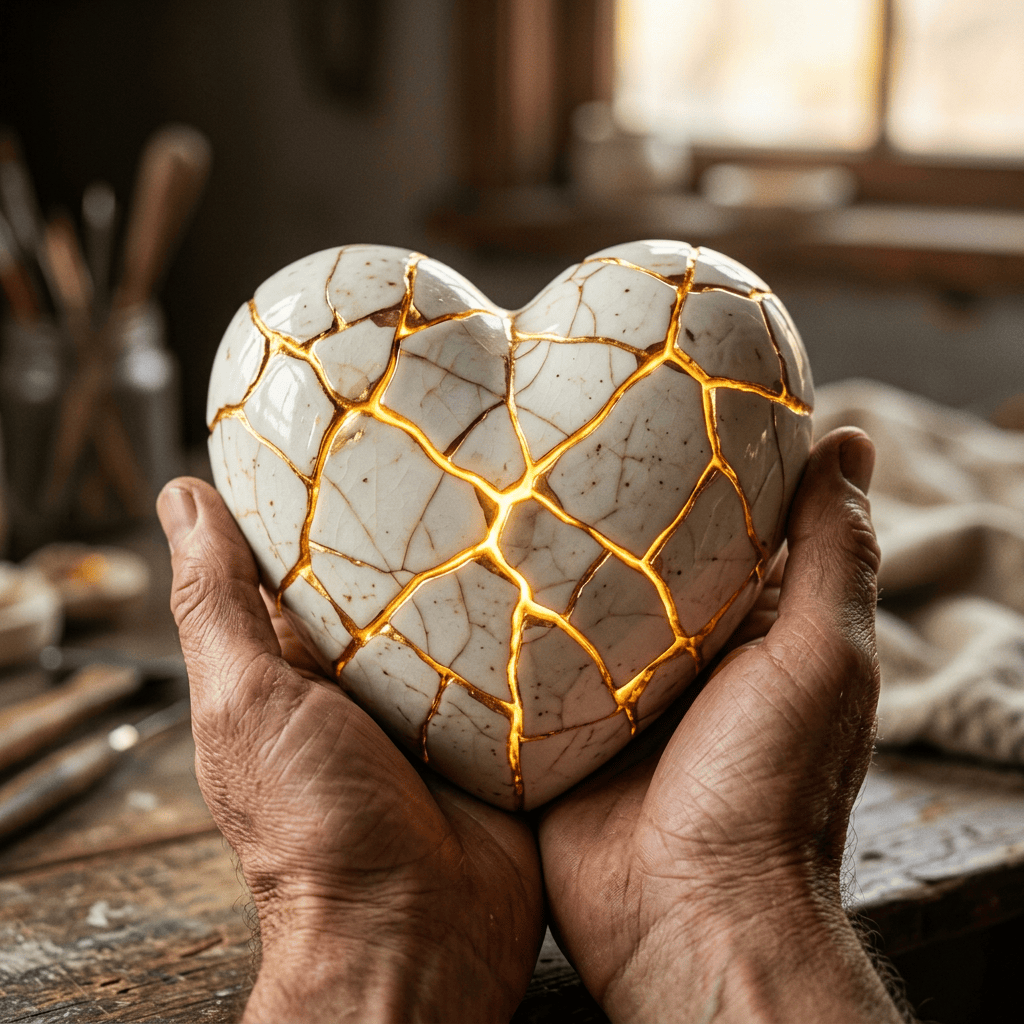
So today, I choose gratitude. I choose celebration. I choose to look at the scar tissue—both visible and invisible—and see it as proof of resilience. Life does not always give us the path we planned, but sometimes it hands us a detour that leads to something far sweeter than we could have imagined.
Cheers to second birthdays. Here is to surviving. And here is to the love that makes every extra day feel like the greatest gift.
I am sitting here in the middle of 2026 staring at the same ceiling I have stared at for years, and I am telling you: I believe in more magic and miracles today than I did when I was a little tike.
Not the polite, quote-infested version of magic. Not the “manifest your best life” corporate sorcery. The real, messy, slightly unhinged kind. The kind that makes you feel like the universe occasionally winks at you when nobody is looking.
As a kid I was already half-skeptical, and it was not even my fault. The Santa situation was a cultural mess. While other children were being fed the story of a jolly, cookie-eating, red-suited American grandfather who somehow fit down every chimney on the planet in one night, I was being told about a tall, stern, frost-covered Ded Moroz who rolled up on New Year’s with a staff and zero tolerance for bullshit. Different beard energy. Different gift-giving calendar. Different everything. My young brain tried to reconcile both myths and just short-circuited. So I did what practical little kids do: I filed Santa under “probably not” and moved on. I believed that we were all given gifts during this time. I just did not question it. I remember the door bell ringing and opening the door to a Santa figurine. Something put it there. So it was a sort of magic. I did not dismiss the concept of Santa because I was wise. But because the stories did not match and I hated loose ends.
I was the child who believed everything else, though. Ghosts in the hallway. Monsters under the bed that only came out if you dangled your foot off the mattress. The idea that if you wished hard enough on a star, something might actually shift in the fabric of reality (I still believe that!). I did not question motives. I did not run cost-benefit analyses on hope. I just blindly accepted whatever cartoons fed me.
Then adulthood showed up with its clipboard and its spreadsheets and its gentle, soul-eroding suggestion that maybe we should all be “realistic” now. I said “no” to that life. People started using the word “mature” like it was a compliment instead of a warning label. Play became something you scheduled on weekends if the weather was good and you were not too tired from pretending to be a serious person.
I watched it happen to everyone around me. The slow, polite surrender. The way wonder gets treated like a childhood disease you were supposed to grow out of. The way adults start speaking about magic in the same tone they use for astrology or crypto—cute, but do not dare get carried away.
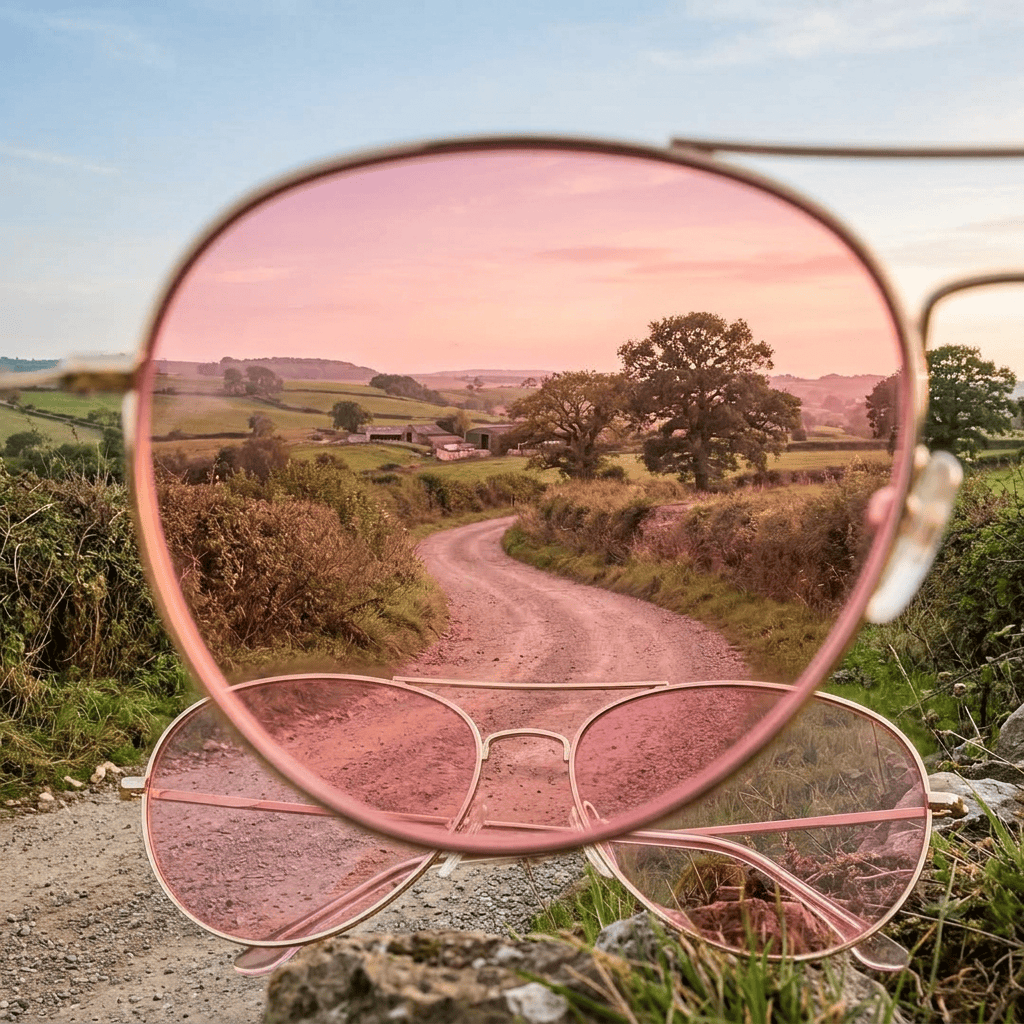
So I put the rose-colored glasses back on.
Not as escapism. As strategy.
Because your brain is a prediction machine that gets better at finding whatever you train it to look for. Feed it nothing but traffic, emails, and the slow death of your own potential, and it will become an expert at locating more traffic, more emails, and more despair. Feed it beauty, synchronicity, strange little coincidences, and the occasional “what was that?” moment, and suddenly the world starts offering you more of the same. It is not part of the delulu agenda . It is deliberate pattern recognition. It is hacking the hardware you were born with.
I choose to see beauty on purpose now. Not because I am soft. Because I got tired of the alternative being so boring.
I play more than I did as a child, not less. I make up rules to games nobody else is playing. I talk to animals like they are carrying messages. I notice when the light hits a puddle in a way that looks like the sky fell into the street and decided to stay. I let myself get stupidly excited about small things because the alternative is letting the world turn me into another well-adjusted corpse who “doesn’t believe in that stuff anymore.”
Belief is not a child’s privilege. It is an adult’s last line of defense.
The people who tell you to stop believing in magic are usually the same ones who need you numb so they can keep selling you the cure for the numbness they helped create. They want you practical. Predictable. Easy to manage. They want you to treat wonder like a guilty pleasure instead of a survival skill.
I refuse.
I am not going back to the version of me who needed the stories to line up perfectly before I was willing to feel anything. I have seen what happens on the other side of that particular maturity. It is gray. It is quiet. It is safe in the worst possible way.
I believe in more magic now.
I believe the universe still has a sense of humor, even if it is dark sometimes.
I believe some doors only open if you knock like you already know someone is home.
I believe play is not optional if you want to stay human.
And if that makes me childish in the eyes of people who traded their spark for a 401(k) and a respectable level of cynicism, then good. Let them keep score.
I will be over here, wearing my ridiculous glasses, making up rules, talking to animals, and noticing when the light does something stupid and beautiful in a puddle.
Because the alternative stopped being interesting a long time ago.
And I am not interested in interesting being optional anymore.
I have always believed that life is meant to be lived in soft focus—a perpetual golden-hour photograph. I love flowers. I love romance. And above all, I love love—the kind that makes ordinary Tuesdays feel like scenes from a French film. I romanticize everything: the way steam curls from my morning coffee, the particular slant of late-afternoon light across my bedroom floor, But nothing, absolutely nothing, captures my heart quite like flowers.
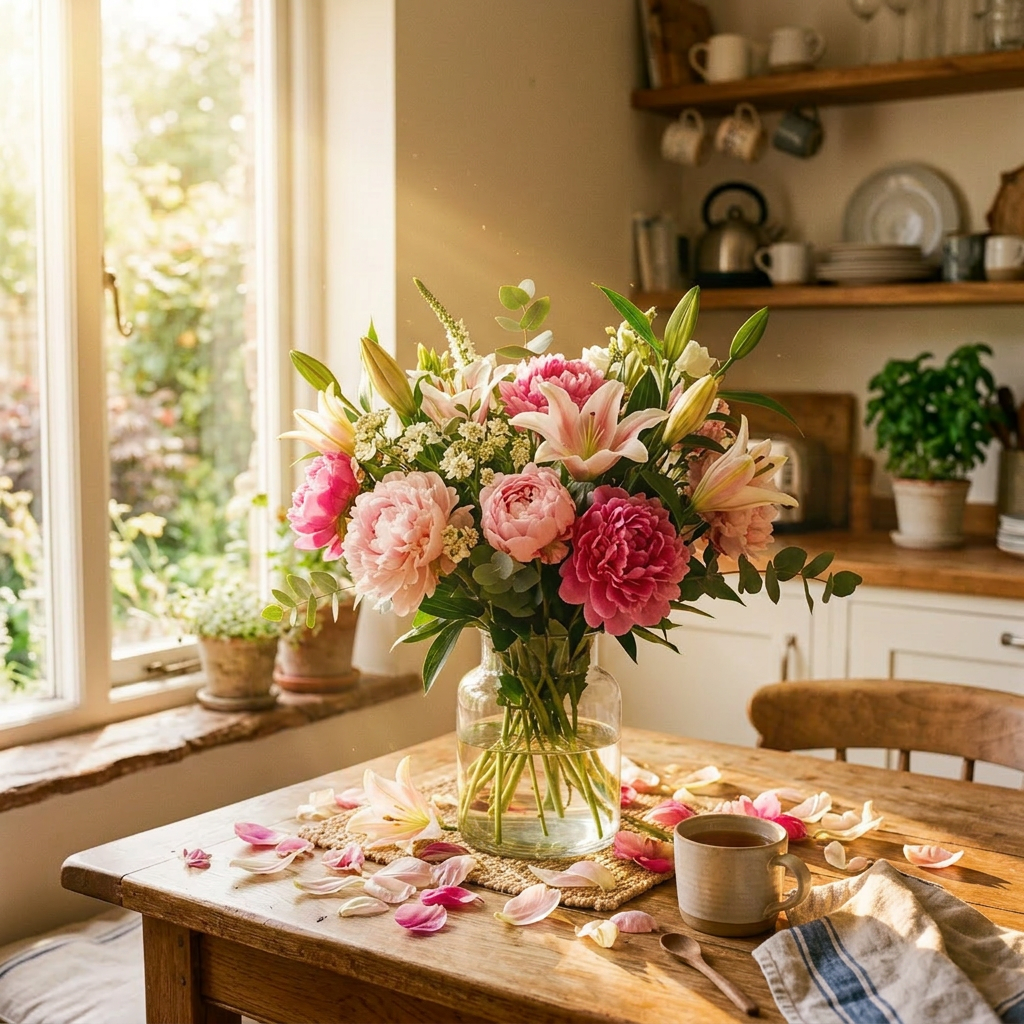
There is a special magic in receiving them from the man you adore. Not the obligatory dozen roses on Valentine’s Day (though those are lovely too), but the spontaneous kind. The ones he spots while you are wandering through a bustling farmer’s market on a lazy morning. He disappears for a moment while you are admiring heirloom tomatoes, then reappears with a loosely wrapped bouquet and that half-shy, half-proud smile that says, “I saw these and thought of you.” Those are the flowers that make your knees weak. They are not about obligation; they represent “I couldn’t walk past these without bringing a little beauty home to you.”
Now that summer has officially arrived, my heart has been utterly stolen by hydrangeas. Those big, billowy, mophead blooms in shades of sky blue, lavender, blush pink, and creamy white feel like pure luxury. They remind me of elevated lifestyles—the kind where linen napkins are always pressed, where champagne is popped for no reason at all, and where weekends are spent in sun-drenched gardens. A single stem in a simple glass vase can transform an entire room into something serene and sophisticated. Their petals seem to hold the very essence of summer: warm breezes, long days, and the quiet confidence of knowing you deserve beauty all around you.
I have had a lifelong love affair with peonies, too. There is something so delightfully decadent about them. Those fat, ruffled blooms look like little pink and white clouds that decided to take earthly form. When they first open, they are almost too lush to be real—layers upon layers of silky petals that release the sweetest, most intoxicating scent. I can spend minutes just burying my face in them, eyes closed, breathing in that fleeting summer perfume. They are feminine without being fragile, romantic without trying too hard. If a flower could embody a lingering kiss and a whispered secret, it would be a peony.
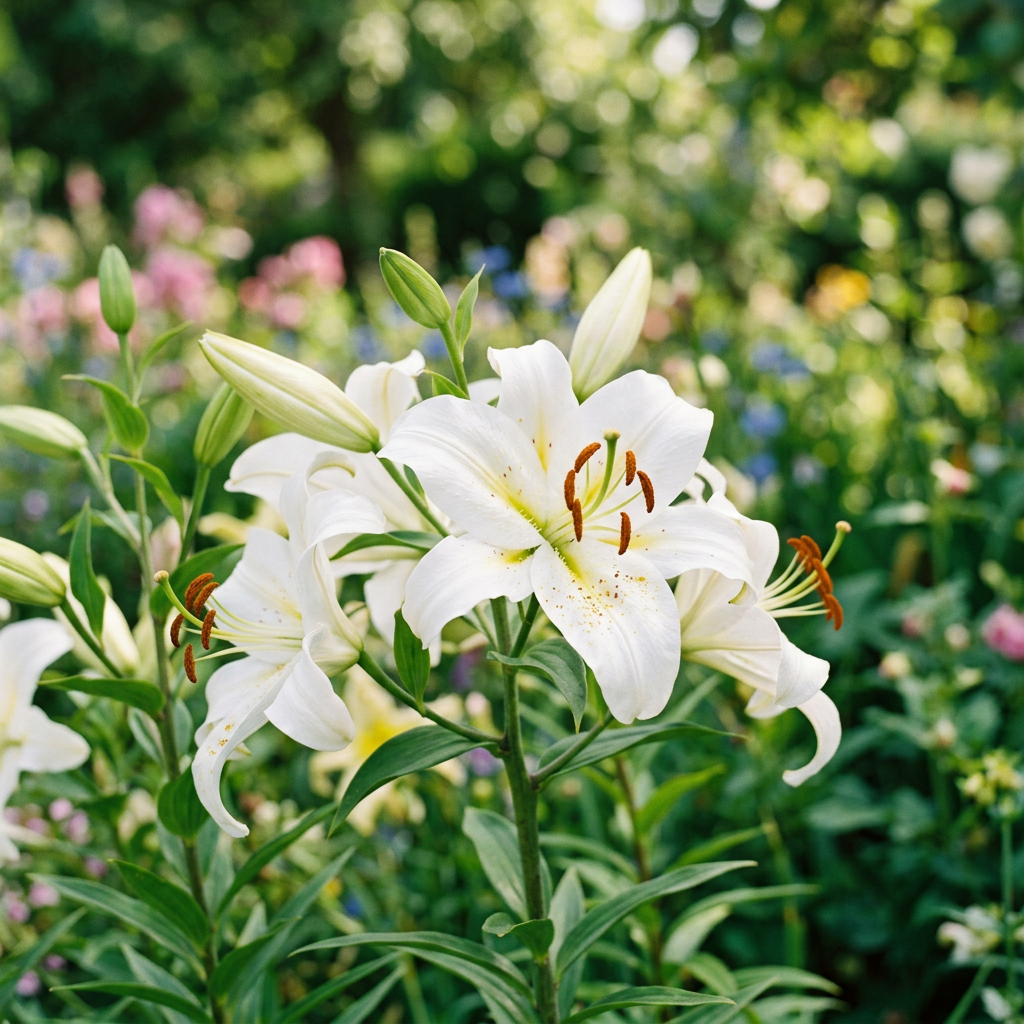
Then there are the lilies—elegant, fragrant, almost architectural in their grace. And my beloved little tea roses, those dainty, perfectly formed gems with their old-world charm. Their scent is delicate yet persistent. Together, these flowers create symphonies of texture and aroma: the bold fullness of hydrangeas, the cloud-like softness of peonies, the star-like poise of lilies, and the intimate sweetness of tea roses.
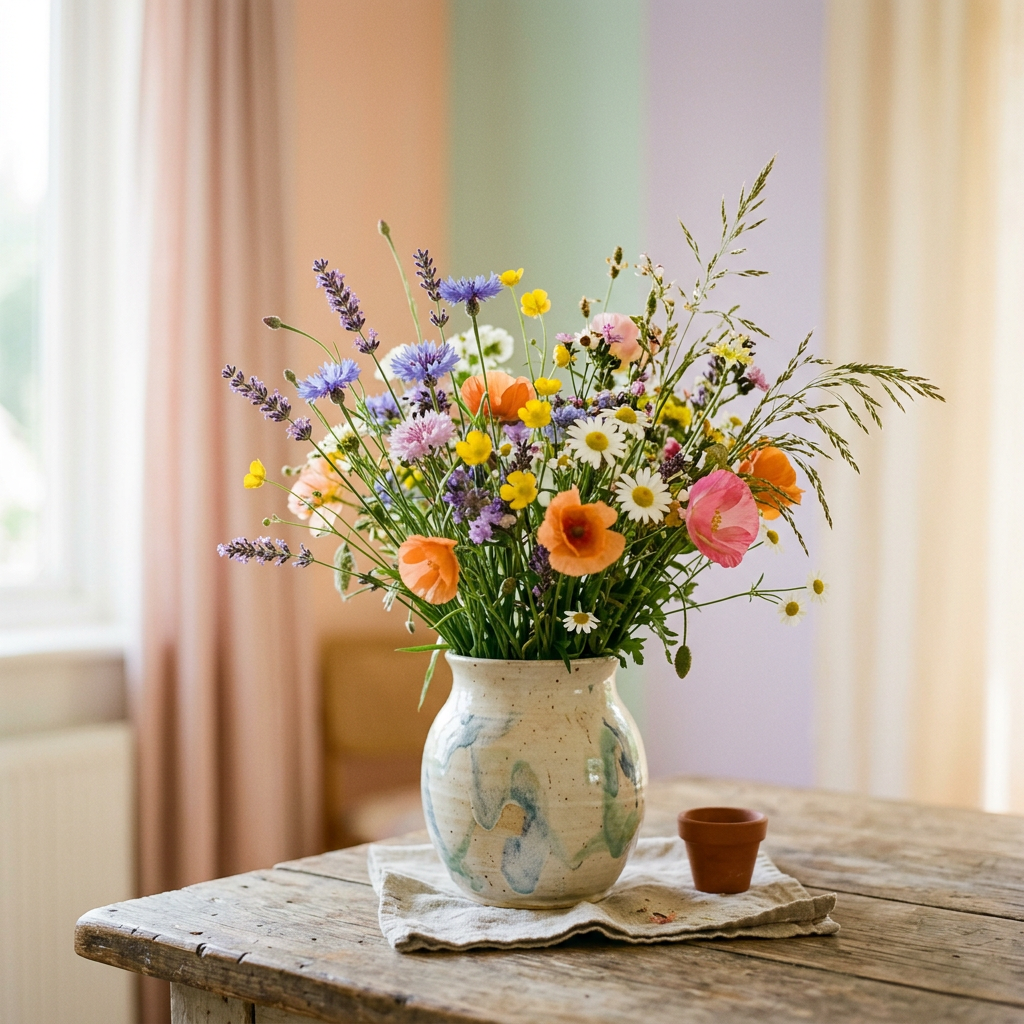
You will never find wildflowers in my vases, though. I have never understood the appeal of scattering daisies and Queen Anne’s lace as if I am hosting a meadow picnic. I do not want to adorn my home with something that looks like it was casually picked by the side of a country road. My space deserves intention. It deserves stems that were chosen, trimmed, and arranged with care—flowers that whisper of refinement rather than rusticity. I am not interested in bushes or garden borders either (beautiful in their place, of course). I want bouquets. Proper, generous, overflowing bouquets that command attention the moment you go through the door.
There is nothing quite like waking up to them. The first gentle waft of fragrance that meets you—a soft, floral embrace that says the day has already begun beautifully. I hope to pad into the kitchen in my silk robe, coffee in hand, and pause just to admire how the morning light catches the dewy petals. By evening, the scent has deepened, wrapping the living room in warmth as candles flicker and music plays low. Flowers turn a house into a home, and a home into a sanctuary.
In a world that often feels rushed and impersonal, I choose to surround myself with these small, exquisite reminders of romance. Because loving flowers is not just about aesthetics. It is about deciding that beauty matters. It is about inviting tenderness into everyday life. It is about believing that you are worthy of spontaneous gestures, of fragrant mornings, and of a life painted in the softest, most romantic hues.
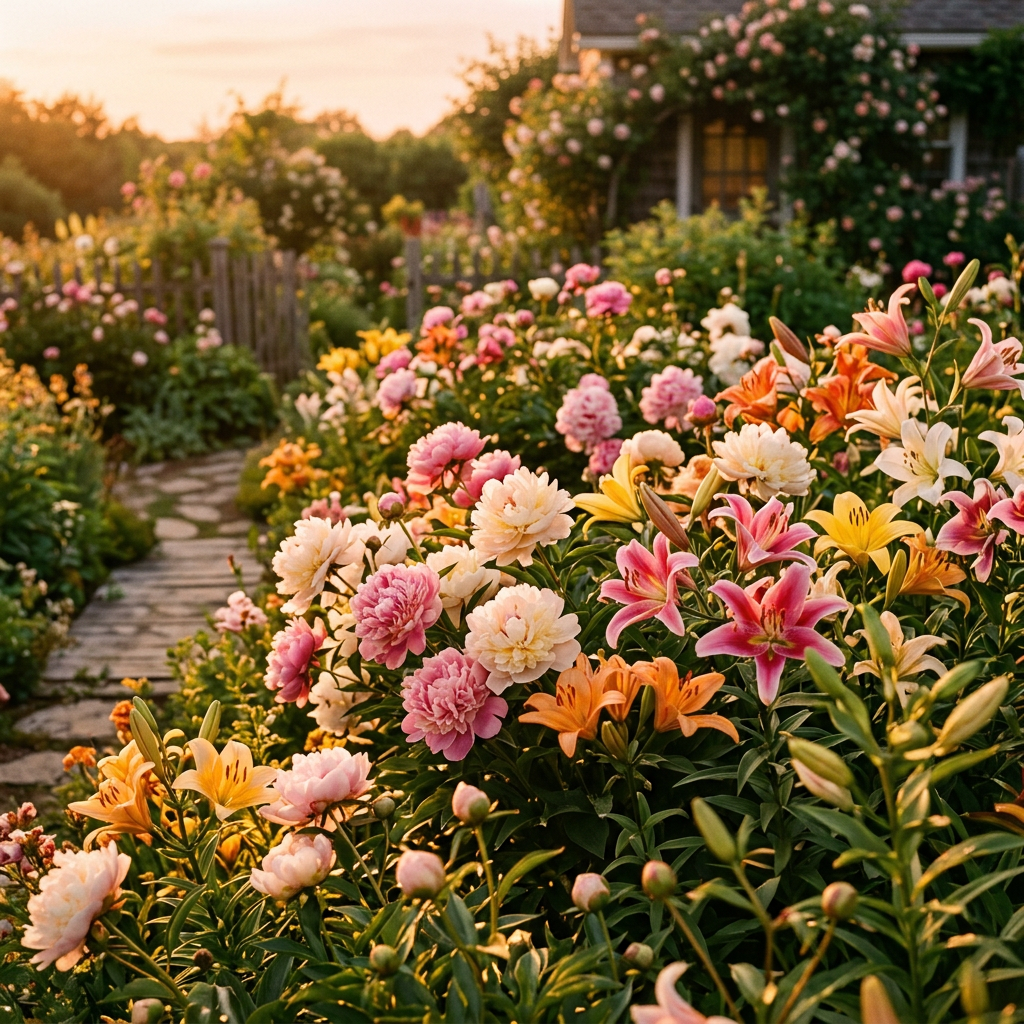
So here is to summer bouquets, to men who notice flowers, and to all of us who refuse to settle for anything less than petals and poetry in our days.
Life should not be that hard. Some people have collectively decided to turn existence into an obstacle course of performance, and for what? Stop making it harder than it has to be and stop trying to be trend-chasers. I have clawed my way to living— thus I have developed my handful of savage little life hacks that slice through the noise and let the days glide by like a blade through warm butter. Ruthless. Unapologetic. Deliciously simple.
First, turn off your notifications. Every last one. Our brains have been taken over by glowing dopamine slot machines—likes, comments, desperate little hearts begging for validation. Those constant lights and vibrations are not connection; each alert is digital crack piped straight into your skull. Turn them off. All of them. And then—here is the hard part, you weak-willed—resist the urge to manually open the apps and stalk whether your latest post has been deemed “acceptable” by the faceless. Reclaim your attention like it is your territory. Freedom tastes delicious.
Next, turn your phone into ‘Do Not Disturb’ and mean it. I do not text, call, or entertain a single soul except my boyfriend. Call it obsessive, call it old-school, call it whatever helps you sleep at night—I call it sanity. I am locked in, ride-or-die committed to one man and one man only. Everyone else can wait in line or rot in the void. Yeah, I miss random texts sometimes. Big deal. The only alerts that make my heart flutter are from him. When I am deep in my writing, lost in creation, or simply breathing without a screen fused to my hand, my focus stays laser-carved because I know he is not summoning me. No fractured attention. No diluted loyalty. Just pure, undiluted presence where it actually matters.
Eliminate every glowing rectangle of distraction from your bedroom. No TVs, no laptops, no glowing portals to the outside world. That sacred space is for sleep, for intimacy, for raw human recovery—not for scrolling yourself into an anxiety at 3 a.m. Let the darkness be dark. Let the quiet be loud (he prefers background/ white noise). Your nervous system will thank you every morning.
And for the love of all that is holy, tidy the kitchen the second you are done using it. This is peak housewife sorcery, and it applies to every room, but the kitchen? That is the throbbing heart of the home where a woman actually gets to nurture her man like the primal creature he is. Wipe, wash, put away—immediately. I personally get a twisted little thrill out of scrubbing dishes by hand before they even touch the dishwasher, hot water running, suds up to my elbows, knowing the space will one day greet him spotless and ready. Chaos breeds chaos. Order breeds peace. Do not let your countertops look like a hot mess.
It is also quite magical what intermittent fasting can do to your body. Life hack: Stop eating breakfast (this is for the ladies. Men should feast!). If you finish dinner around six pm, your body will basically already be in autophagy mode—from the Greek for “self-eating” is a natural, cellular process in which cells break down and recycle their own damaged, dysfunctional, or unnecessary components. So now you are able to be less icky and potentially present yourself as the magnificent creature you are.
Finally, embrace NEAT—Non-Exercise Activity Thermogenesis. Forget forcing yourself into fluorescent gyms like some sad hamster. Just move like a living human being. Walk to the store instead of driving. Carry your own groceries. Take the stairs until your thighs burn with honest effort. Bang out push-ups during commercial breaks or while the coffee brews. My boyfriend drilled this into me, and the man lives it—striding through Boston winters like a Viking who would rather freeze than submit to weakness. Every little movement stacks. It compounds. It keeps you sharp, alive, and annoyingly hard to kill. No excuses. Just motion. I personally cannot wait to partake in any and all physical activity. For now I just practice my standing up instead of sitting in the wheelchair.
Ultimately, we should all stop romanticizing the grind. Life is already brutal enough without you volunteering for extra suffering. Implement this, or do not . But don’t cry when the matrix keeps chewing you up and spitting you out. The hacks are here. The edge is yours for the taking. Use it.
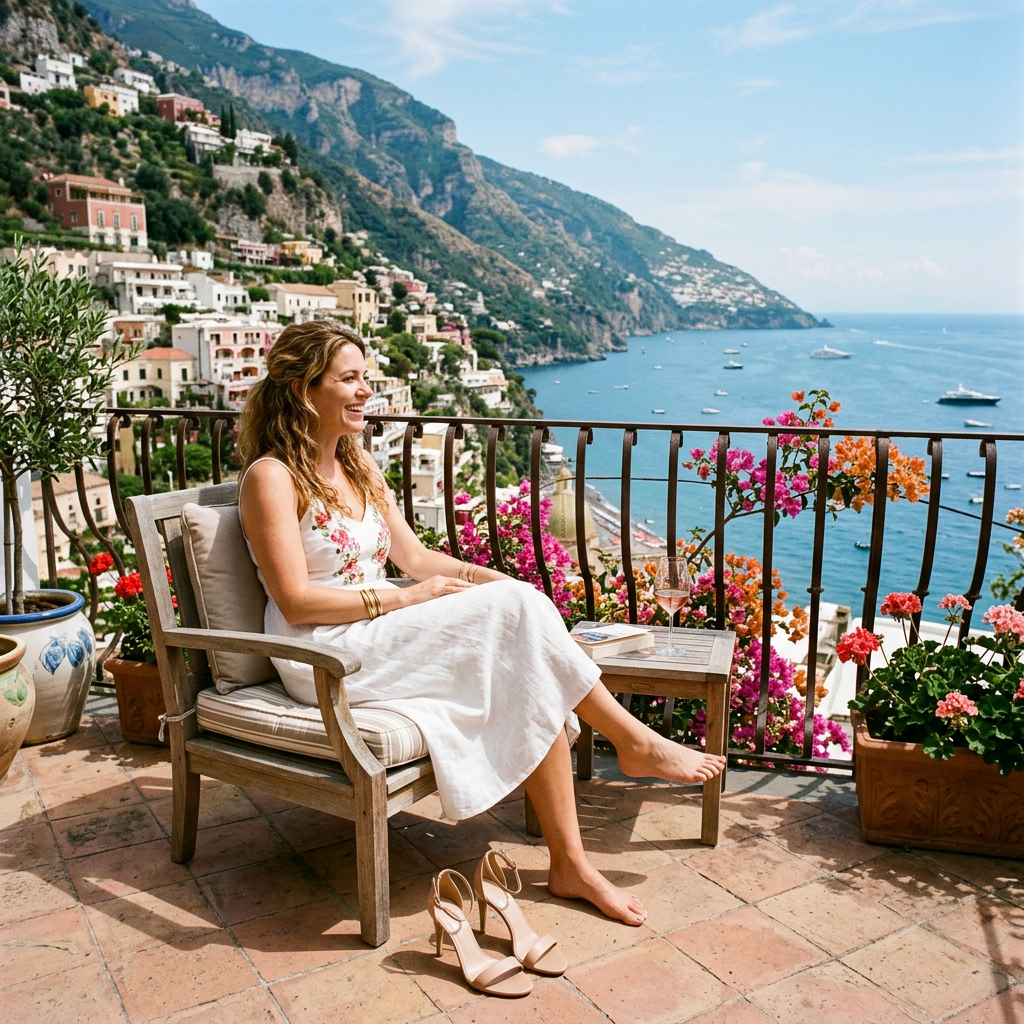
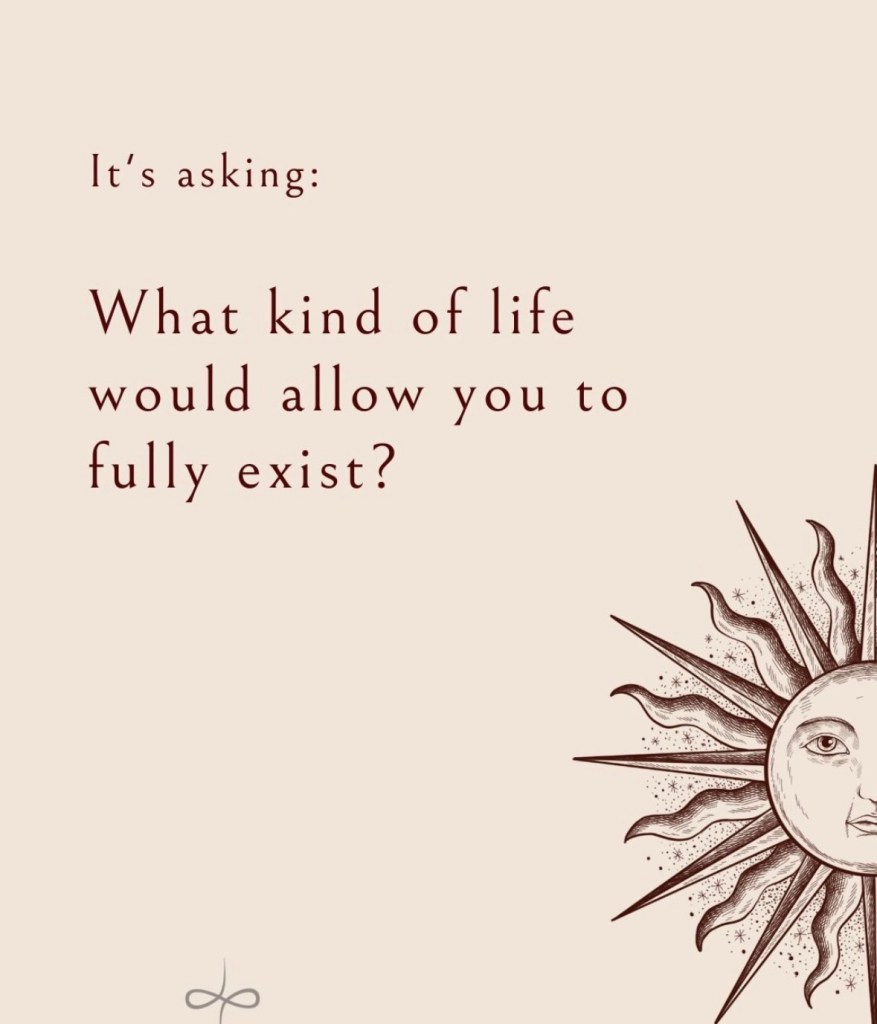
The kind of life that would finally allow me to fully exist is:
• A life with him: there is no such thing as “focus on yourself first” as I have found that being dedicated to the love of my life does so much for me. My soul recognizing its favorite home. Everything I thought I needed to “work on” in isolation suddenly becomes irrelevant because the thing that was actually starving me was the absence of him. This life brings me much more joy and happiness than getting whatever I want delivered to my doorstep etc. Being together physically makes my entire soul let out a giant sigh of relief.
I do not want to be a self-sufficient island. I want to be his. Fully, stupidly, unapologetically his. I want the version of me that only exists when I am pouring into someone who pours back. That version feels more alive than any solo “healed” version I have ever performed.
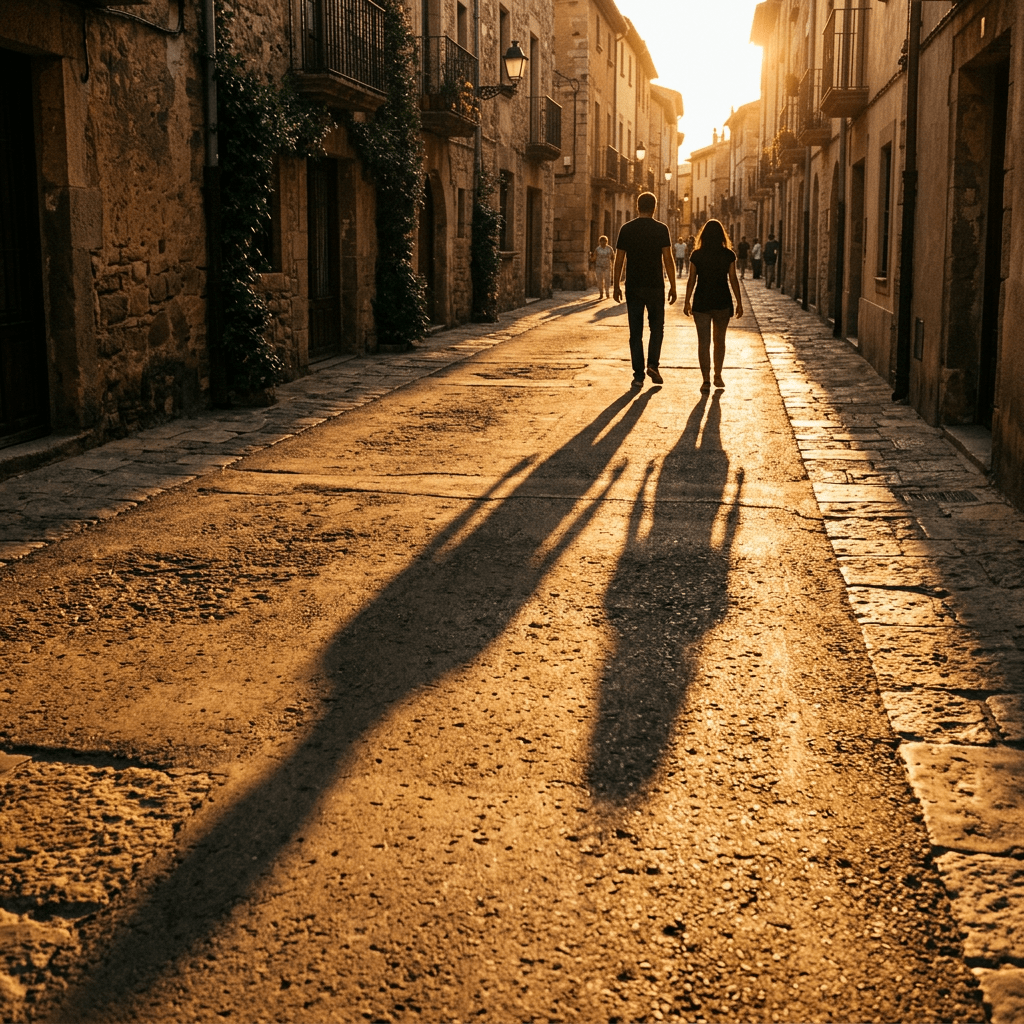
• Able- bodied life: And yes, I want the body that can actually meet that life.
All in all, I am not interested in the gentle, realistic, disability-acceptance script everyone tries to hand me like a participation trophy. I do not want to “redefine beauty” or “find new ways to move through the world.” I want my left side to cooperate again. I want to walk for miles without calculating how much pain I am willing to trade for the view. I want to put on a pair of stilettos and feel my hips sway instead of my balance negotiate with gravity. I want to hold his hand on a long hike and not have to pretend the cane is some cute accessory.
Doctors and well-meaning realists can keep their timelines and their “you’ll probably always need…” speeches. The universe is not running a charity. It is not on a budget. If I can imagine my fingers threading through his while we walk through tall grass at golden hour, if I can see myself in the kitchen moving freely, cooking for the man I chose, then that version is already on its way. I am not manifesting from a place of lack. I am remembering forward. My arms will work. My balance will hold. I will be the woman who can be a proper wife to him without negotiating with my own nervous system every time I stand up.
• Warm and sunny life: There is something about the amount of dopamine and serotonin I get from the sunshine. Plus I am forever freezing so I would rather survive somewhere naturally warm than have my man pump in synthetic heat for the majority of the year. I want mornings where the light pours through the windows onto our bed and neither of us has to reach for a sweater.
• Unemployed life:while I do love writing ; let it be my own little hobby. I refuse to let my words turn into another job that pulls me away from him. In order to fully dedicate myself to my man, I will not to answer to anyone else/ have any stress or anxiety running through my veins. Girls are meant to live easy and whimsy little lives. I want to be the woman who makes his house feel like home instead of the woman who comes home exhausted and has nothing left to give.
• Childless life: I am an incredibly selfish person and I know that I will always put me and my man first. Unfortunately I know what it is like to be completely ignored/ neglected by a parent and I will never wish that kind of pain and suffering upon a child, but I know that my personality is to do just that.
So no kids. Not as some enlightened childfree flex. Just as the only honest choice I can make. Better an empty house than a child who grows up feeling like an afterthought.
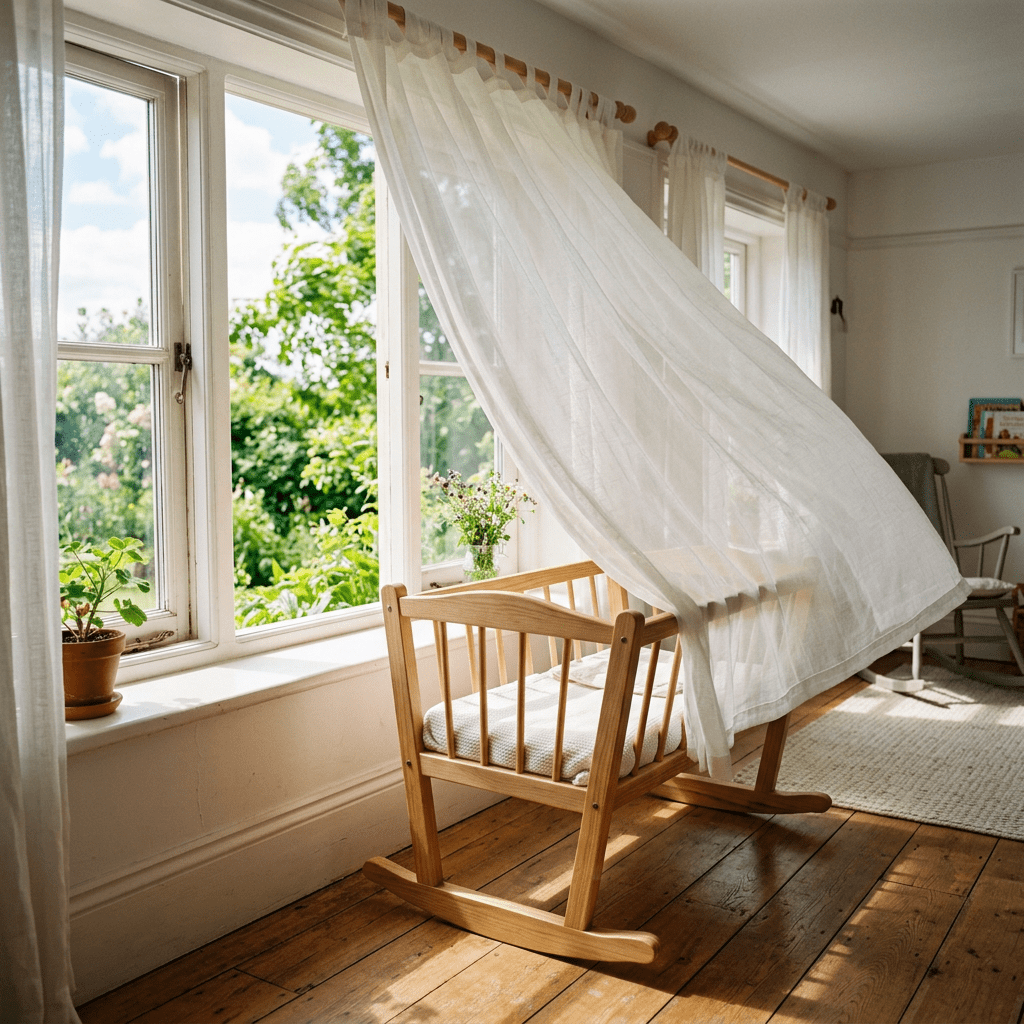
This is the life that would finally let me exist instead of survive.
Him. Walks. Sunshine that actually warms me. No boss, no inbox, no tiny humans I would inevitably fail. Just the two of us in a warm house where my body works, my soul is quiet, and I get to pour every single drop of myself into the only thing that has ever made the noise stop.
Call it codependent. Call it regressive. Call it whatever makes you feel better about the life you settled for.
I am not settling anymore. I am asking for the whole thing. And I am not ashamed of how badly I want it.

